 2-4 dagars leverans
 100 000+ nöjda kunder
 Fri frakt över 449 kr










Environmental and lifestyle factors: How do they play a role?
The environment you live in and your lifestyle choices can significantly impact how oily your hair becomes. Humidity, for example, can increase sebum production as your scalp tries to protect itself from the moisture in the air. This is why many people notice their hair getting oilier in the summer months or in tropical climates. Similarly, wearing hats or scarves can trap heat and moisture, prompting your scalp to produce more oil as a protective measure.
Adapting your hair care routine to these environmental changes can help manage oiliness. For instance, during humid conditions, using a lightweight, oil-absorbing product can help keep your hair fresh. Adjusting the types of headwear you use and opting for breathable materials can also make a difference in how oily your hair feels throughout the day.
Touching and brushing: Could your habits be contributing?
Frequent touching and brushing of your hair can be another reason why it gets oily so quickly. Touching your hair transfers oils from your hands to your hair, increasing its greasiness. Additionally, over-brushing can distribute the natural oils from your scalp along the length of your hair, making it appear oilier than it actually is.
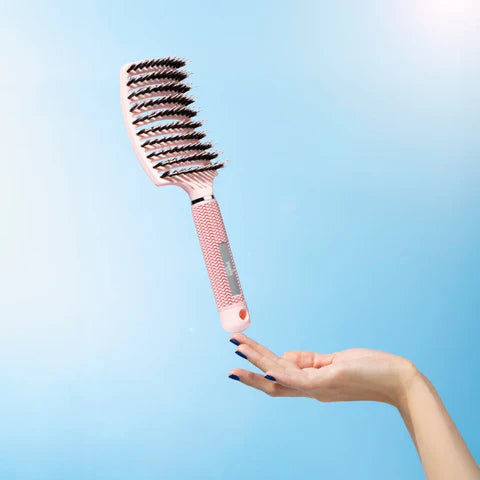
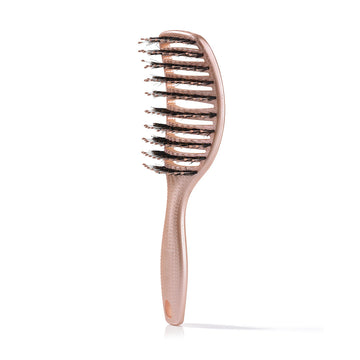
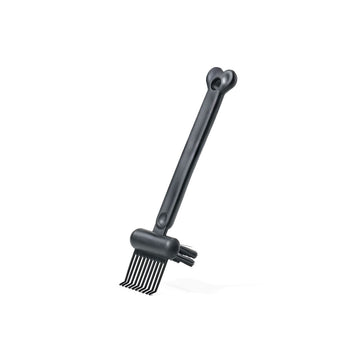
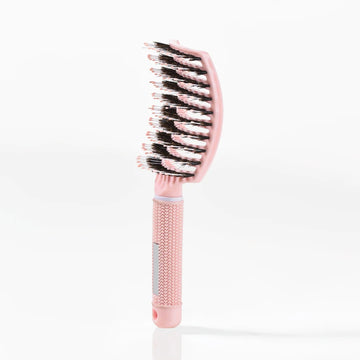
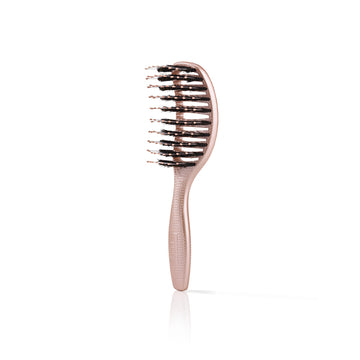
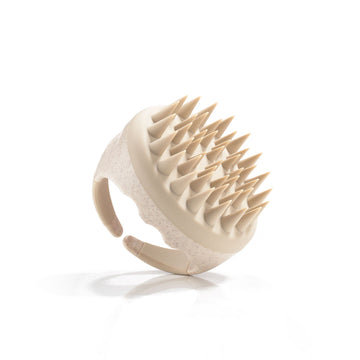
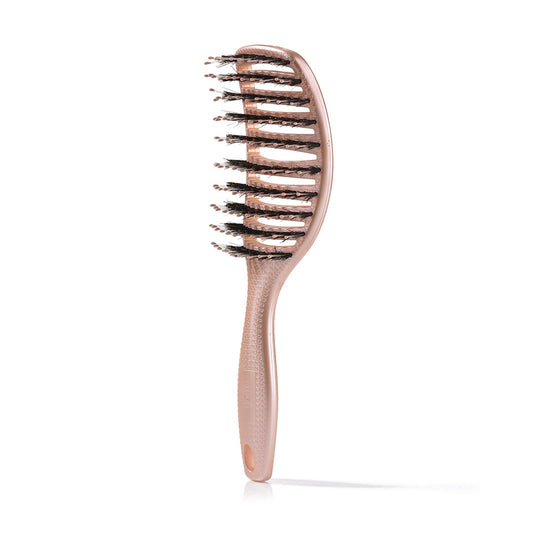
To minimize these effects, try to be conscious of how often you touch your hair during the day. When it comes to brushing, using a brush designed to distribute oils more evenly, like our Curvy Brush, can help manage oil distribution without overloading your hair. Regularly cleaning your brushes is also essential to prevent the transfer of excess oils back to your hair.
Product buildup: Are your hair products making it worse?
While using hair products is essential for styling and maintaining healthy hair, they can sometimes contribute to oiliness. Heavy products, especially those containing silicones, can leave a residue that weighs down your hair and makes it look greasy. This is especially true if you don't cleanse your hair thoroughly, leading to product buildup over time.
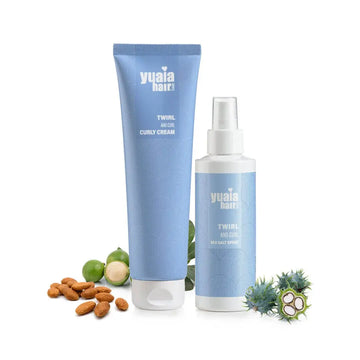
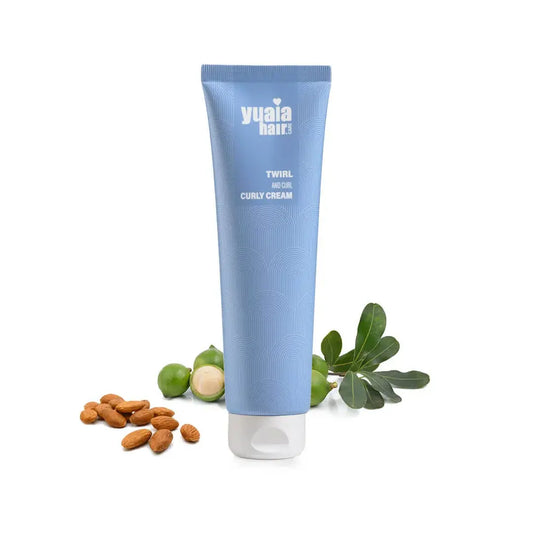
Switching to lightweight, oil-balancing products can help reduce buildup and keep your hair looking fresh. Our Twirl and Curl curly cream is a great option for those with curly hair, as it provides definition without adding unnecessary weight or residue.
Washing habits: How often should you wash your hair?
Finding the right washing frequency is crucial in managing oily hair. Overwashing can strip your scalp of its natural oils, prompting it to produce even more sebum as a compensatory mechanism. This rebound effect can make your hair greasy faster than you'd like. To avoid this, consider experimenting with your washing frequency. Many find that washing every 2-3 days helps maintain a balance between cleanliness and oil production.
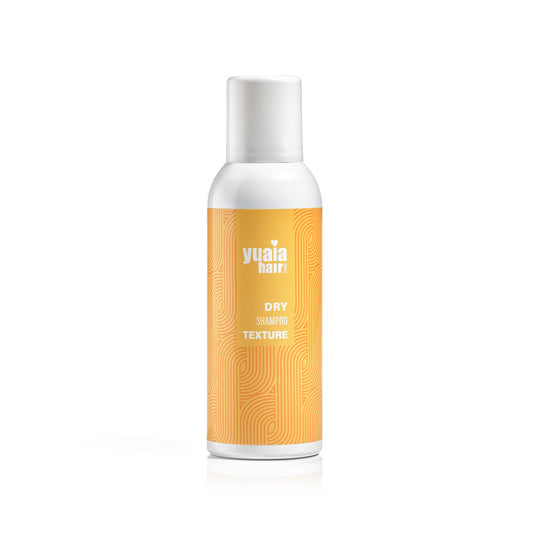
Incorporating a dry shampoo into your routine can also help extend the time between washes, absorbing excess oil and giving your hair a refreshed look. A healthy diet supports hair health, so ensuring you're consuming a balanced diet can also contribute to managing oil production.
Practical solutions for oily hair
Managing oily hair effectively involves a combination of adjusting your hair care routine and understanding the factors that contribute to oiliness. By making small changes, you can extend the time between washes and maintain fresh-looking hair.
Adjusting your routine: Practical tips for managing oily hair
One of the simplest ways to manage oily hair is by incorporating dry shampoo into your routine. Dry shampoo can absorb excess oil at the roots, giving your hair a refreshed appearance and allowing you to go longer between washes. It's a quick and convenient solution for those days when washing isn't an option.
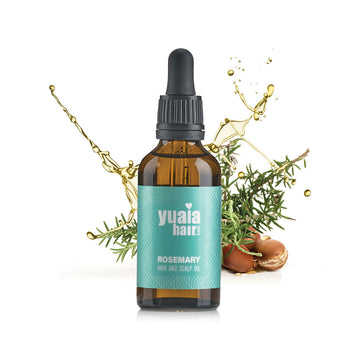
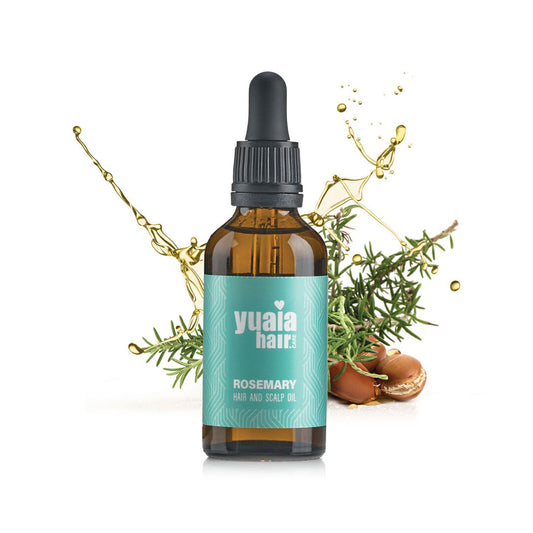
At Yuaia Haircare, we offer a range of products that can help manage oily hair without stripping it of its natural oils. Our Rosemary oil is an excellent choice for those looking to balance oil production while promoting overall hair health. This lightweight oil nourishes the scalp and can be used as a part of your regular hair care routine.
Choosing the right products
When selecting hair products, it's important to avoid those that can contribute to buildup and weigh your hair down. Opt for lightweight, oil-balancing products that cleanse effectively without leaving residue. Avoid heavy conditioners and silicones, as they can exacerbate oiliness.
Environmental and lifestyle adjustments
Adapting to environmental changes can also help manage oily hair. During humid conditions, using products that absorb oil and provide a matte finish can keep your hair looking fresh. Additionally, choosing breathable materials for headwear can prevent excess oil production caused by trapped heat and moisture.
Frequently asked questions
Why does my hair get oily so fast?
Hair can become oily quickly due to overproduction of sebum by the scalp's sebaceous glands. Factors like genetics, hormonal changes, and environmental conditions can influence how quickly your hair becomes oily.
Can I train my hair to be less oily?
Yes, adjusting your washing habits can help balance sebum production. Try washing your hair less frequently, such as every 2-3 days, to allow your scalp to regulate its oil production naturally.
What products should I avoid for oily hair?
For oily hair, it's best to avoid products with silicones, heavy conditioners, and rich shampoos that can leave residue. Opt for lightweight, oil-balancing formulas to keep your hair fresh and clean.


