 2-4 dagars leverans
 100 000+ nöjda kunder
 Fri frakt över 449 kr












Effective natural remedies for scalp relief
Dealing with scalp inflammation can be challenging, but several natural remedies offer soothing relief and help restore scalp health. Each remedy harnesses the power of natural ingredients, making them accessible and easy to incorporate into your routine.
Aloe vera applications
Aloe vera is renowned for its anti-inflammatory and moisturizing properties, making it an excellent choice for calming an irritated scalp. To use aloe vera, apply fresh gel directly to the scalp and leave it on for 20-30 minutes before rinsing. This application can help reduce redness and provide a cooling sensation, offering immediate comfort.
Tea tree oil benefits
Tea tree oil is another powerful remedy, known for its antifungal and inflammation-reducing qualities. To safely use tea tree oil, dilute 2-3 drops in a carrier oil such as coconut or olive oil. Gently massage the mixture into the scalp and leave it on for 15-20 minutes before washing it out. This method helps combat fungal growth and soothes irritation.
Apple cider vinegar rinses
Apple cider vinegar (ACV) can balance the scalp's pH and remove buildup that may contribute to inflammation. To create an ACV rinse, dilute one part ACV with two parts water and use it as a post-shampoo rinse. This simple solution can help maintain a healthy scalp environment and reduce irritation.
Coconut oil for moisturization
Coconut oil serves as both a moisturizer and an antifungal agent, making it ideal for soothing an inflamed scalp. Warm the oil slightly and massage it into the scalp, allowing it to sit for 30-60 minutes before rinsing. This treatment not only hydrates the scalp but also helps reduce the presence of fungi that may exacerbate inflammation.
Rosemary oil for circulation
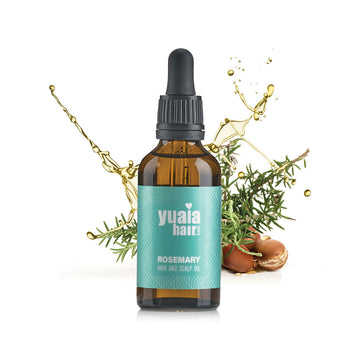
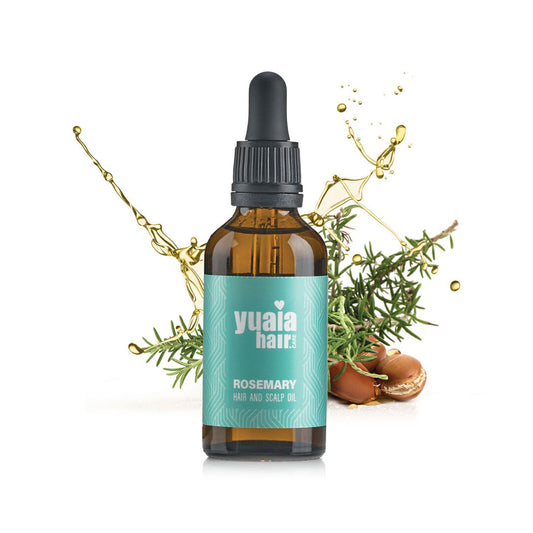
Rosemary oil is known to improve circulation and reduce flakes, which can alleviate scalp inflammation. To use rosemary oil, massage a few drops into the scalp, focusing on areas with flakes. This practice not only promotes blood flow but also helps soothe irritation.
Scalp care practices to prevent inflammation
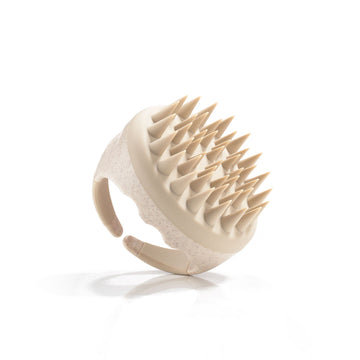
In addition to natural remedies, adopting specific scalp care practices can prevent inflammation. Regular gentle scalp massages can improve circulation and reduce tension, promoting overall scalp health. Choose sulfate-free and silicone-free products to minimize irritation. Additionally, avoiding harsh chemicals in hair care routines can prevent further scalp issues.
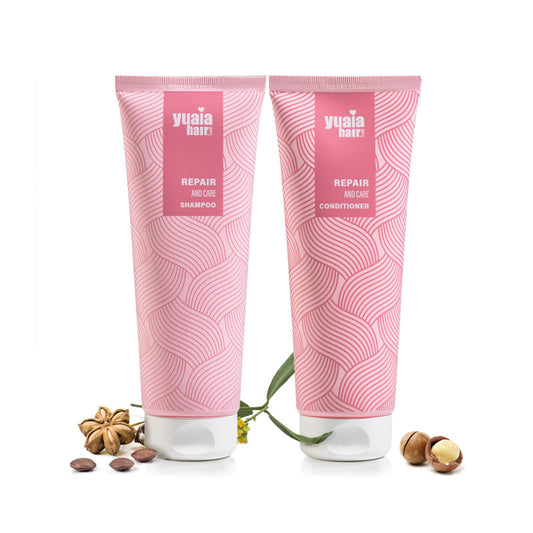
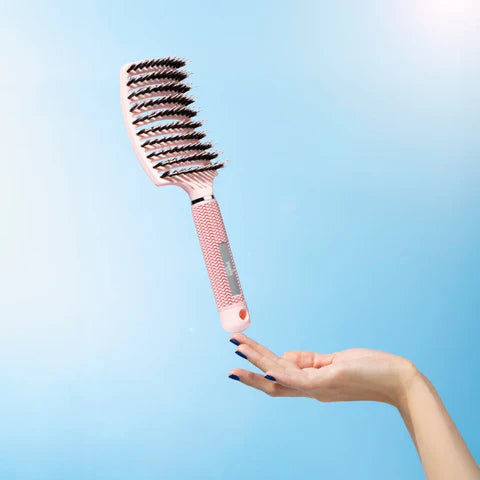
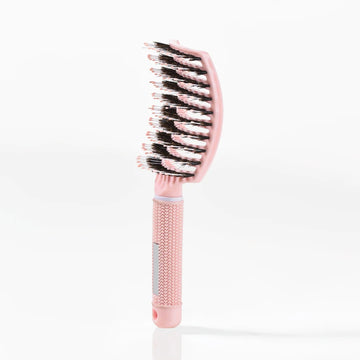
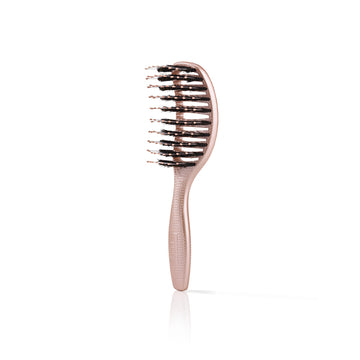
Using the right brush can also make a significant difference. A boar bristle brush, like our Curvy Brush, gently detangles while stimulating the scalp, supporting its health without causing additional irritation.
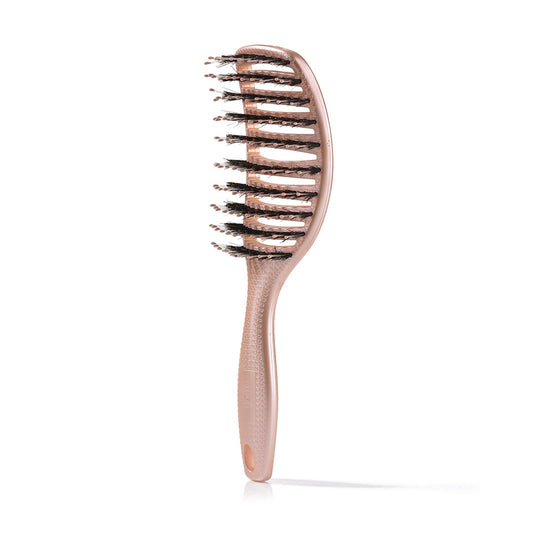
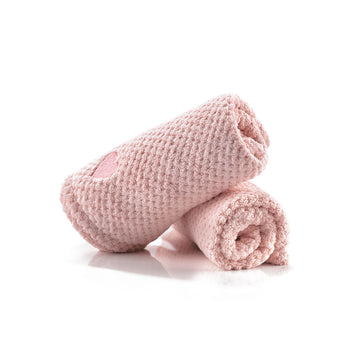
Finally, consider incorporating a bamboo pillowcase into your sleep routine. Bamboo fabric is gentle on the scalp, reducing friction and potential irritation during the night.
Additional insights on calming scalp inflammation
To effectively manage scalp inflammation, it's essential to understand that a consistent care routine is key. While natural remedies provide immediate relief, integrating them into a regular regimen can offer long-term benefits. Let's explore some additional insights and practices that can enhance your scalp care routine.
Regular scalp exfoliation
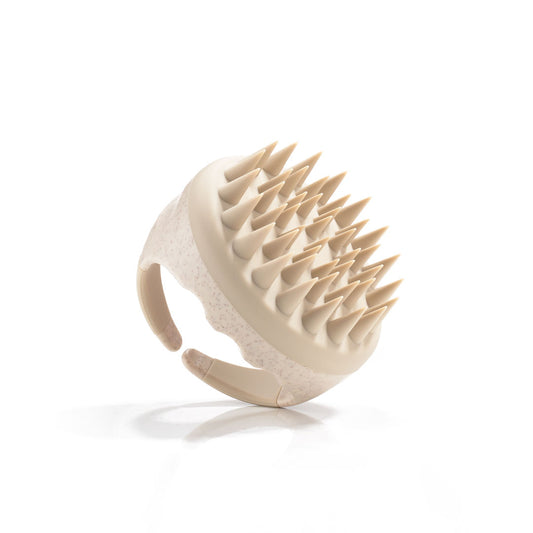
Exfoliating the scalp is an often-overlooked practice that can significantly benefit those dealing with inflammation. By gently removing dead skin cells and product buildup, exfoliation helps maintain a clean and healthy scalp environment. Opt for a gentle scrub or a brush with soft bristles to avoid irritation. Regular exfoliation can enhance the effectiveness of natural remedies by allowing them to penetrate more deeply into the scalp.
Benefits of using bamboo pillowcases
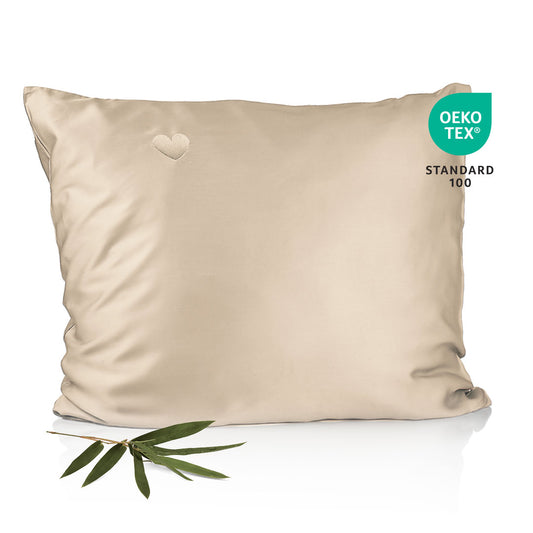
Switching to a bamboo pillowcase can make a noticeable difference in scalp health. Bamboo fabric is naturally soft and hypoallergenic, reducing friction and irritation during sleep. This simple change can help maintain the benefits of your scalp care routine overnight, ensuring you wake up with a comfortable and calm scalp.
Understanding the role of stress management
Stress is a common trigger for scalp inflammation, and managing it can play a significant role in maintaining scalp health. Incorporating relaxation techniques such as meditation, yoga, or deep breathing exercises into your daily routine can help reduce stress levels. By addressing stress, you create a more balanced environment for your scalp, complementing the effects of natural remedies.
Frequently asked questions
Can scalp inflammation lead to hair loss?
Chronic scalp inflammation can potentially contribute to hair loss if left untreated. The ongoing irritation may weaken hair follicles over time. If you notice significant hair loss, it's advisable to consult a healthcare professional to explore effective treatment options.
Are there any quick fixes for soothing an itchy scalp?
Yes, there are several quick remedies for an itchy scalp. Cool water rinses can provide immediate relief by calming the skin. Additionally, applying a few drops of natural oils, such as coconut or tea tree oil, can soothe irritation and reduce itchiness.
How often should natural remedies be applied?
The frequency of applying natural remedies depends on the severity of your scalp condition. Generally, using treatments like aloe vera or coconut oil 2-3 times a week can help maintain scalp health. However, it's important to monitor your scalp's response and adjust the frequency as needed to achieve the best results.


