2-4 dagars leverans
 100 000+ nöjda kunder
 Fri frakt över 449 kr




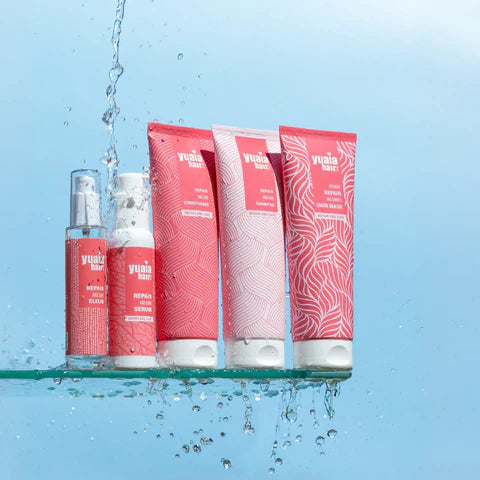
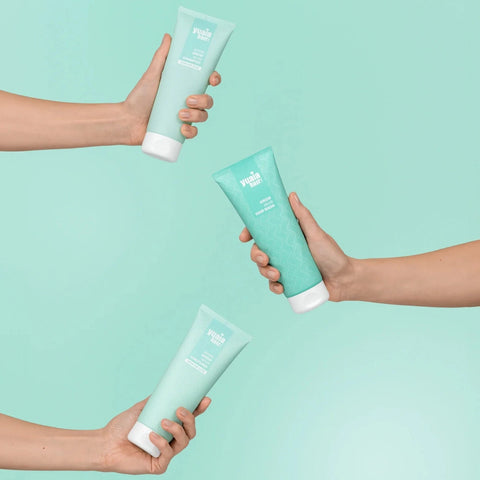





The four-step recovery protocol
Addressing over-moisturized hair requires a structured approach. The four-step recovery protocol is designed to rebalance moisture and protein levels, restoring your hair's natural strength and vitality.
Clarifying shampoo
Begin with a clarifying shampoo to remove product buildup and excess moisture. This step is essential for resetting your hair's baseline, allowing subsequent treatments to work effectively. Use a detox shampoo once or twice a month to cleanse deeply without stripping your hair of its natural oils.
Protein treatment
Protein treatments are vital for rebuilding hair structure. They help to strengthen hair by filling in gaps and reinforcing the hair's natural protein bonds. Consider using a protein-rich treatment once a week to restore elasticity and resilience. This step is especially important for those with curly hair, which tends to suffer more from over-moisturization.
Mild shampoo use
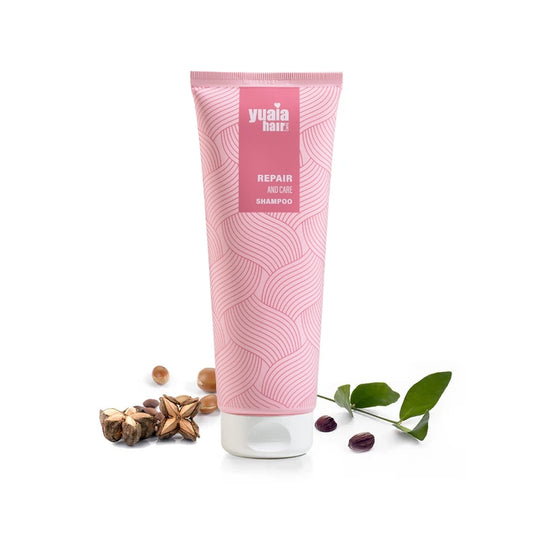
After applying a protein treatment, use a mild shampoo to gently cleanse your hair. This step ensures that your hair is free from any residual treatment without causing further dryness. Opt for a sulfate-free shampoo to maintain your hair's moisture balance while ensuring it's clean and refreshed.
Deep conditioning (optional)
While deep conditioning can be beneficial, it should be done sparingly during recovery. Use a deep conditioner only when necessary and focus on those that provide a balanced blend of moisture and protein. This helps to prevent slipping back into the cycle of over-moisturization.
Understanding the root causes of over-moisturizing
Preventing over-moisturization starts with understanding the habits that contribute to it. Common practices include frequent co-washing, using only moisturizing products without protein, and sleeping with wet hair. These habits can lead to an imbalance, making your hair overly soft and lacking structure.
Prevention tips
- Avoid co-washing more than twice a week to prevent buildup.
- Incorporate protein treatments into your routine to maintain balance.
- Ensure your hair is dry before sleeping to avoid unnecessary moisture retention.
Protein-centric solutions for recovery
Protein treatments are the cornerstone of recovering from over-moisturization. They help restore the hair's internal structure, providing strength and elasticity. Various types of protein treatments are available, ranging from bond-repair options to plant-based alternatives. Choose a treatment that suits your hair type and needs.
Benefits of protein
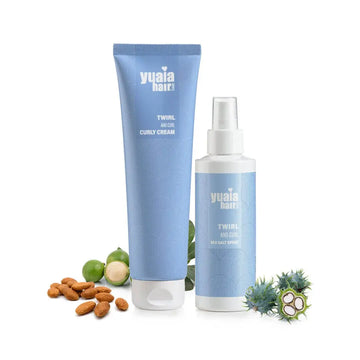
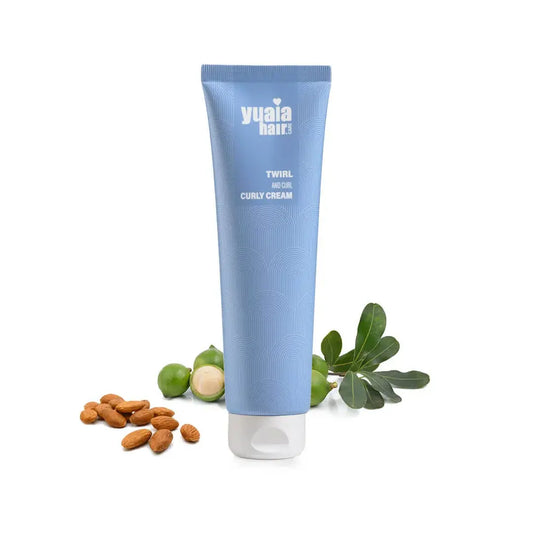
Protein not only strengthens hair but also enhances its ability to retain moisture correctly. By reinforcing the hair's natural structure, protein treatments help prevent future moisture imbalances. For those with curly hair, using a specialized product like our Twirl and Curl curly cream can enhance curl definition while maintaining the necessary protein-moisture balance.
How can natural ingredients help?
When recovering from over-moisturized hair, using products made with natural ingredients can be highly beneficial. Sulfate-free and silicone-free formulations are gentle on the hair and help maintain the delicate balance between moisture and protein. These types of products cleanse without stripping essential oils, allowing your hair to recover its natural strength and elasticity.
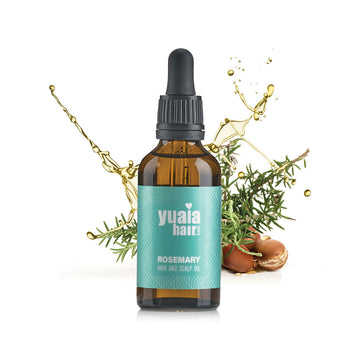
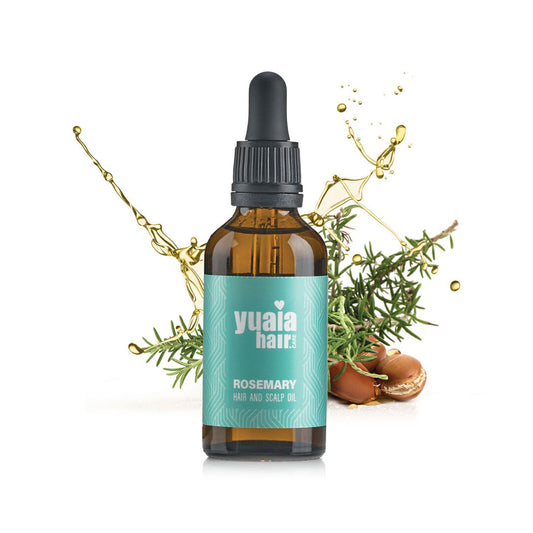
At Yuaia Haircare, we offer products made with natural ingredients, ensuring that your hair remains healthy and vibrant without the risk of harmful chemical exposure. Our Rosemary oil is an excellent choice for those looking to nourish their hair with natural elements, promoting a healthy scalp and hair growth.
Is hair type important in recovery?
Absolutely. Different hair types have unique needs when it comes to avoiding over-moisturization. Wavy, coily, and coarse hair types each require specific care to maintain their natural beauty. For example, coily hair often benefits from more protein treatments to maintain its structure, while wavy hair might need a lighter approach to avoid weighing it down.
Understanding your hair type and its specific requirements can help you tailor your recovery routine. For curly hair, our Twirl and Curl curly cream can help maintain curl definition without adding excess moisture.

Long-term maintenance strategies
Once your hair has recovered from over-moisturization, maintaining the balance is key to preventing recurrence. Regularly assess your hair's needs and adjust your routine accordingly. Introduce conditioners and masks gradually, ensuring they provide both moisture and protein. Avoid overusing any single type of product, and focus on a balanced approach to hair care.
Routine adjustments, such as using a clarifying shampoo occasionally and incorporating protein treatments, can help maintain the health and vitality of your hair in the long term.
Frequently asked questions
Can over-moisturized hair be fixed quickly?
Recovery from over-moisturized hair is a gradual process. While you may notice improvements within a few weeks, achieving full recovery and balance can take time. Consistency in your hair care routine is essential for lasting results.
What products should be avoided?
During recovery, it's best to avoid products that are heavily moisturizing without providing protein. This includes certain deep conditioners, leave-in conditioners, and curl creams. Look for products that offer a balance of moisture and protein to support your hair's recovery.
How often should I use protein treatments?
The frequency of protein treatments depends on your hair's condition. For over-moisturized hair, using a protein treatment once a week is generally recommended. As your hair recovers, you can adjust the frequency based on how your hair responds, ensuring it remains strong and healthy.
What role does brushing play in hair health?
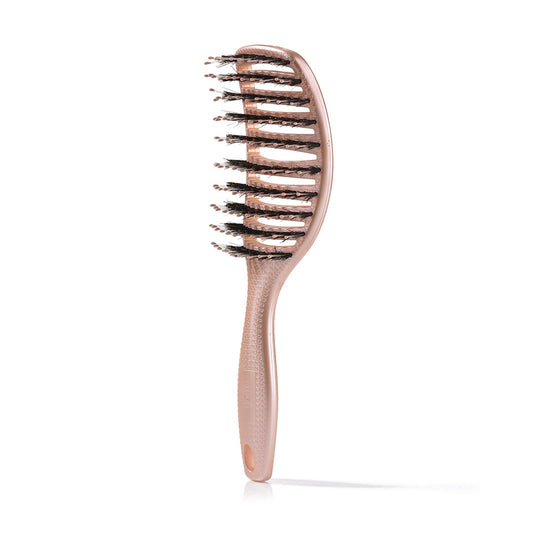
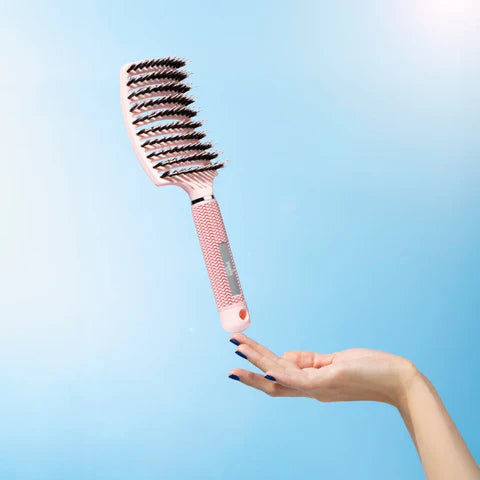
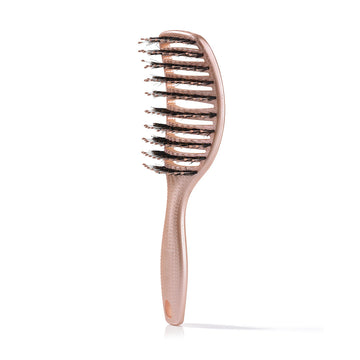
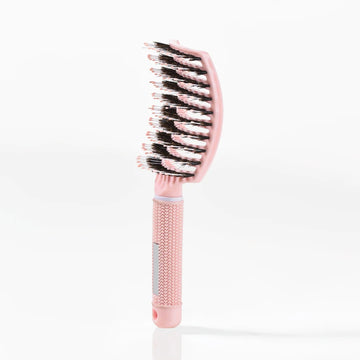
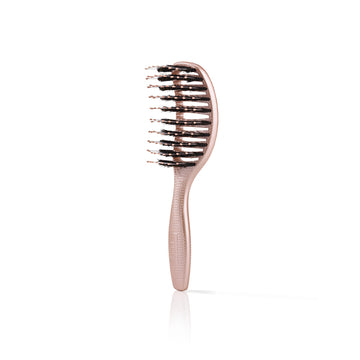
Brushing helps distribute natural oils throughout your hair, promoting shine and reducing breakage. Using the right tools, like our Curvy Brush, can aid in effective detangling and styling, supporting overall hair health.