 2-4 dagars leverans
 100 000+ nöjda kunder
 Fri frakt över 449 kr





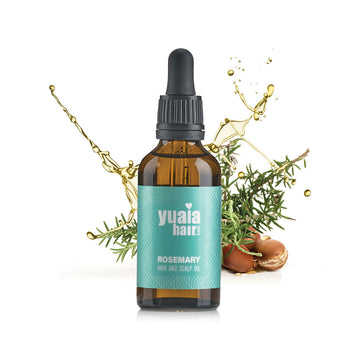




Creating a holistic scalp care routine
Building a comprehensive scalp care routine involves more than just applying oils. It's about integrating practices that support overall hair health and specifically target dryness. Here are some strategies to consider:
Choosing the right products
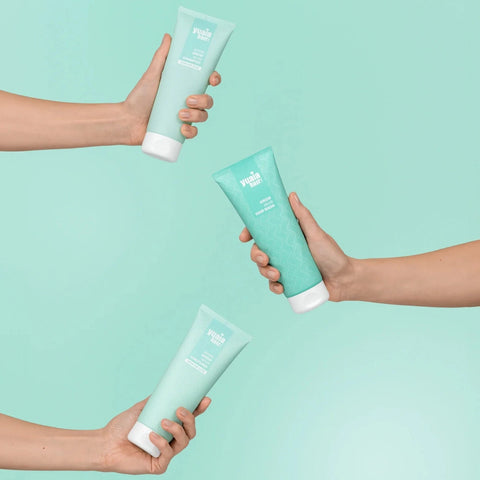
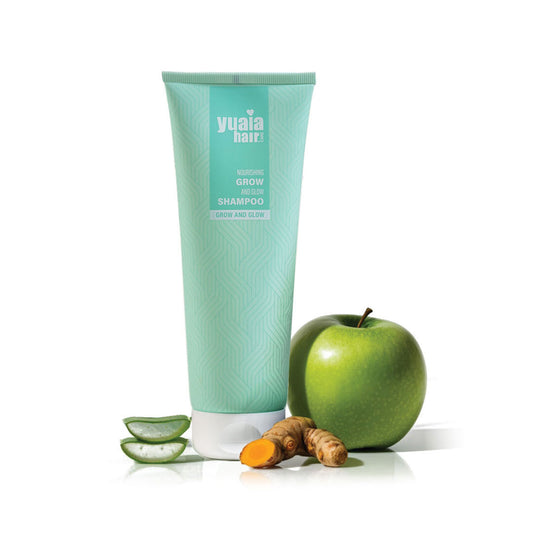
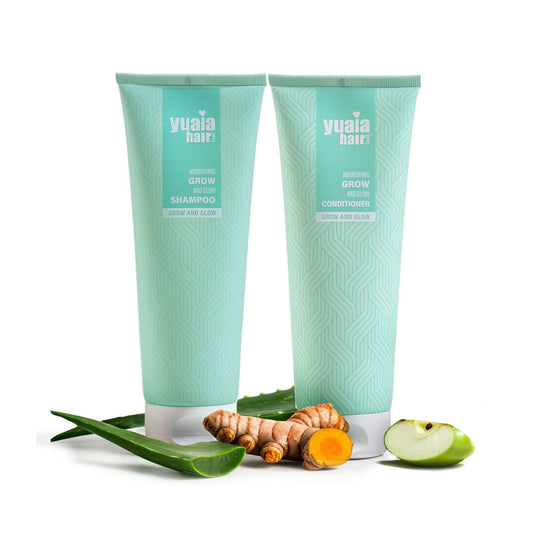
When selecting hair care products, it's essential to opt for those that are free from sulfates and harsh chemicals. These ingredients can strip the scalp of its natural oils, exacerbating dryness. Our Grow and Glow Shampoo is an excellent choice as it nourishes the scalp without sulfates or silicones, helping to maintain moisture balance.
Optimizing shower routines
Adjusting your shower routine can significantly impact scalp hydration. Use lukewarm water instead of hot water, as high temperatures can dry out the scalp. Additionally, try to limit your shower time to prevent further moisture loss. These small changes can make a big difference in maintaining a hydrated scalp.
Scalp massage techniques
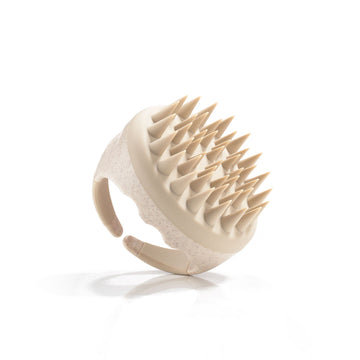
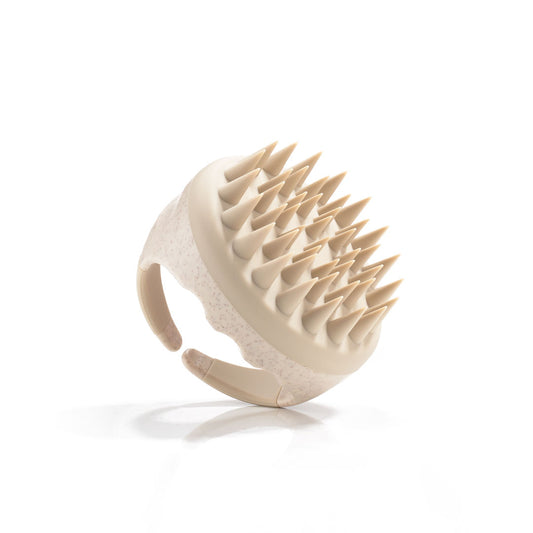
Incorporating scalp massages into your routine can enhance blood circulation, promoting the natural production of oils. Use your fingertips to gently massage your scalp in circular motions for a few minutes each day. This practice not only feels relaxing but also supports the distribution of natural oils, contributing to a healthier scalp environment.
Internal hydration and nutrition
While topical treatments are essential, internal hydration plays a crucial role in scalp health. Ensuring adequate water intake and a balanced diet supports the body's ability to maintain a healthy scalp. While this post focuses on topical solutions, remember that a healthy diet supports hair health.
Exploring kitchen ingredient remedies
For those interested in DIY solutions, kitchen ingredients offer a variety of natural remedies for scalp moisturization. These treatments are not only cost-effective but also easy to prepare.
Honey and yogurt masks
Combining honey and yogurt creates a hydrating mask that can soothe and moisturize the scalp. Honey's humectant properties help retain moisture, while yogurt provides a gentle exfoliation to remove dead skin cells. Apply the mixture to your scalp, leave it on for 10-15 minutes, and rinse thoroughly for a refreshing treatment.
Banana and avocado treatments
Bananas and avocados are rich in natural oils and vitamins, making them excellent for scalp hydration. Mash a banana with an avocado and apply the paste to your scalp. Leave it on for 20 minutes before rinsing, allowing the nutrients to penetrate and nourish the scalp.
Apple cider vinegar rinses
Apple cider vinegar is known for its clarifying properties, helping to remove product buildup and balance scalp pH. Dilute one part vinegar with two parts water and use it as a rinse after shampooing. This simple step can leave your scalp feeling refreshed and balanced.
Aloe vera for soothing relief
Aloe vera's humectant properties make it an excellent choice for calming scalp irritation. Apply pure aloe vera gel directly to the scalp and leave it on for 20 minutes before rinsing. This treatment can help reduce inflammation and promote moisture retention.
Additional considerations for dry scalp care
While natural oils and holistic care methods are effective, understanding the unique needs of your scalp can further enhance these treatments. Each scalp is different, and recognizing specific requirements can help tailor a routine that maximizes benefits.
Understanding scalp pH balance
Maintaining a balanced pH level on the scalp is essential for preventing dryness and irritation. A pH-balanced scalp supports the natural barrier function, helping to retain moisture. Incorporating products that are pH-balanced can aid in keeping the scalp healthy and hydrated.
Preventing product buildup
Product buildup can exacerbate dryness by blocking pores and hindering moisture absorption. To prevent this, consider using lightweight, non-greasy products and incorporating a clarifying rinse, such as apple cider vinegar, into your routine. This will help keep the scalp clean and receptive to treatments.
Seasonal adjustments for scalp care
Different seasons can affect scalp moisture levels. In colder months, indoor heating can dry out the scalp, while in warmer months, sun exposure can lead to dehydration. Adjusting your routine to include more moisturizing treatments during dry seasons and protective measures during sunny periods can help maintain scalp health year-round.
Frequently asked questions
How often should you use oil treatments for dry scalp?
Oil treatments can be used 1-2 times a week, depending on the severity of dryness. It's important to find a balance that hydrates without overloading the scalp with oils.
Can scalp exfoliation help with dryness?
Yes, gentle scalp exfoliation can help remove dead skin cells and promote healthier scalp conditions. It should be done once or twice a week to avoid irritation.
What are the signs that a natural treatment is working?
Indicators of improved scalp health include reduced flakiness, less itchiness, and a more comfortable, hydrated feeling on the scalp.
How to prevent product buildup on the scalp?
To prevent product buildup, use lightweight hair products and incorporate clarifying rinses regularly. This helps keep the scalp clean and free from residue.
Is there a seasonal impact on scalp health?
Yes, different climates and seasons can affect scalp moisture levels. Adjust your care routine to include more moisturizing treatments in dry seasons and protective measures during sunny periods for optimal scalp health.


