 2-4 dagars leverans
 100 000+ nöjda kunder
 Fri frakt över 449 kr








Why is my hair texture changing? Uncover the surprising reasons behind it

vid Nanna Bundgaard | 14. March 2026 | Lästid: 5 minuter
Läs mer om författarenHave you ever looked in the mirror and noticed your hair suddenly seems different? Maybe those once straight locks are now developing waves, or perhaps your hair feels thinner than it used to. Changes in hair texture can be puzzling and often leave us wondering why these shifts occur. Whether gradual or sudden, these changes can impact not only your daily styling routine but also your confidence.
What causes hair texture changes?
Hair texture changes are a common concern for many, and they can happen for a variety of reasons. While some might immediately think of external factors like styling damage, the reality is often more complex. Internal factors such as hormonal fluctuations, aging, and even stress can play a significant role in altering your hair's texture. Understanding these underlying causes can help you manage and adapt to these changes more effectively.
Hormonal fluctuations: A primary cause
Hormonal changes are one of the leading causes of hair texture changes. Life stages such as puberty, pregnancy, postpartum, and menopause bring significant hormonal shifts that can alter the shape and feel of your hair. For instance, during pregnancy, increased estrogen levels often lead to thicker, more lustrous hair, while postpartum hormonal shifts can result in thinning or increased wave patterns.
Beyond these life stages, conditions affecting the thyroid or increased levels of androgens can also impact hair texture. Such hormonal imbalances might cause your hair to become thinner, drier, or even develop unexpected waves. If you notice drastic changes, it might be worth monitoring your hormone levels and consulting with a healthcare professional for tailored advice.
Aging and its impact on hair
Aging naturally influences hair texture as well. As we age, hair follicles can shrink, and the production of collagen and sebum decreases. This often results in hair becoming coarser or thinner over time. To combat these changes, adopting a gentle hair care routine is important. Consider using sulfate-free shampoos and conditioners to help maintain your hair's health and vitality.
Medications and their side effects
Medications can often be an overlooked factor in changing hair texture. Certain medications, such as chemotherapy drugs, antidepressants, and some blood pressure medications, can alter the texture of your hair. These changes may manifest as increased curliness, dryness, or even thinning. The duration of these effects varies, with some changes being temporary and reversible once the medication is discontinued, while others might last longer. If you suspect your medication is affecting your hair, consult your healthcare provider to discuss potential alternatives or supportive hair care strategies.
Nutrition and stress: their role in hair health
Your diet and stress levels play a pivotal role in maintaining healthy hair. Nutritional deficiencies, particularly in protein, iron, and omega-3 fatty acids, can weaken hair, leading to changes in its texture. A balanced diet supports hair health, ensuring it remains strong and resilient. Additionally, stress can trigger conditions like telogen effluvium, where hair temporarily thins and changes texture due to hormonal impacts. Reducing stress through mindfulness practices and ensuring your diet is rich in essential nutrients can help mitigate these effects.
Genetic and environmental factors
Genetics also play a significant role in determining your hair texture. Your genetic makeup can predispose you to certain hair types and changes over time. Environmental factors, such as seasonal changes and pollution, can further influence hair texture, leading to dryness and brittleness. To protect your hair from environmental damage, consider using protective hairstyles and minimizing heat styling. Incorporating products that nourish and shield your hair can also be beneficial.
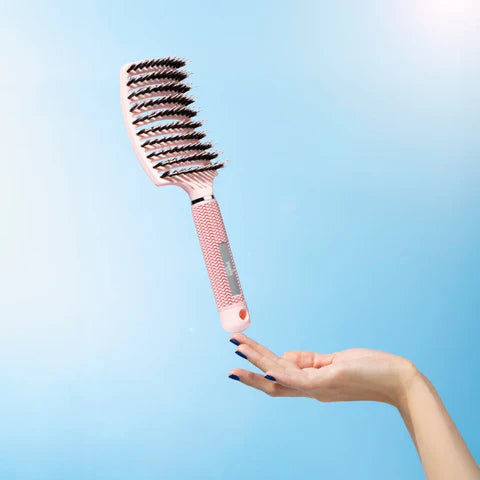
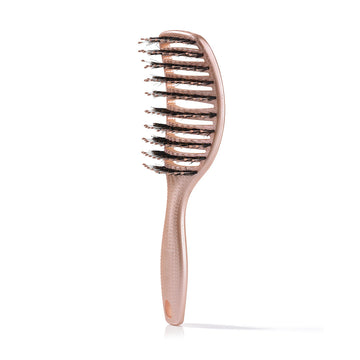
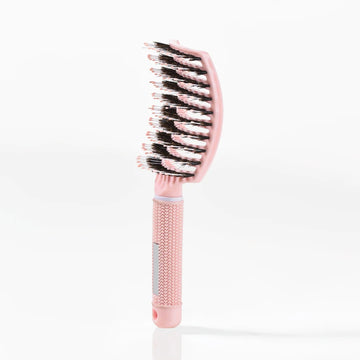
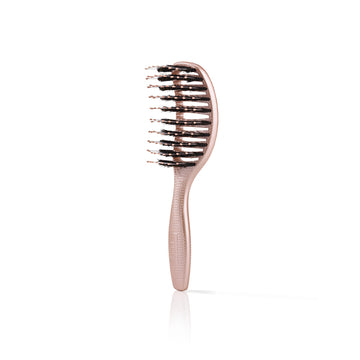
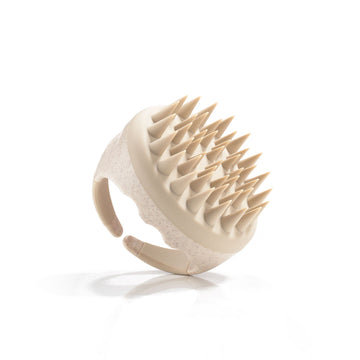
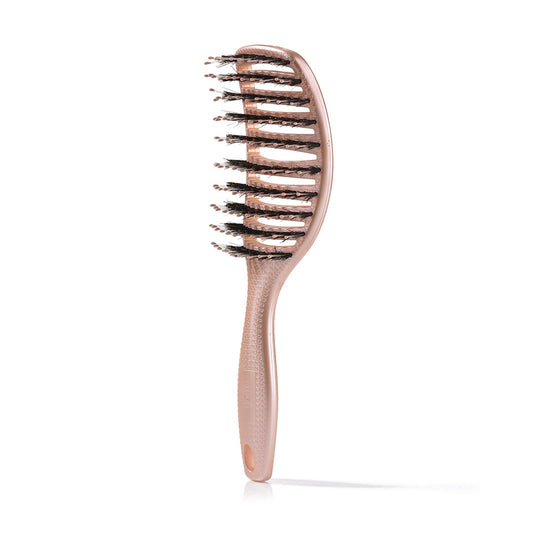
To manage changing hair texture effectively, adjusting your hair care routine is essential. Using the right products and accessories can make a significant difference. For example, our Curvy Brush can help distribute natural oils along the hair, enhancing smoothness and shine. Additionally, using a heat protectant spray before styling can prevent further damage and maintain your hair's natural texture.
Get a 10% discount code sent to you
Receive the best tips and tricks for your hair from Lotte and Nanna 🥰
Understanding sudden hair texture changes
Experiencing a sudden shift in hair texture can be surprising and sometimes concerning. While we've discussed hormonal changes, aging, medications, and stress as potential causes, it's important to consider other factors that might contribute to these changes. Here, we'll explore additional insights into why your hair texture might be changing and how you can adapt to these shifts.
Environmental influences: The unseen impact
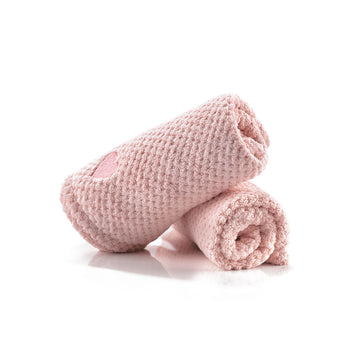
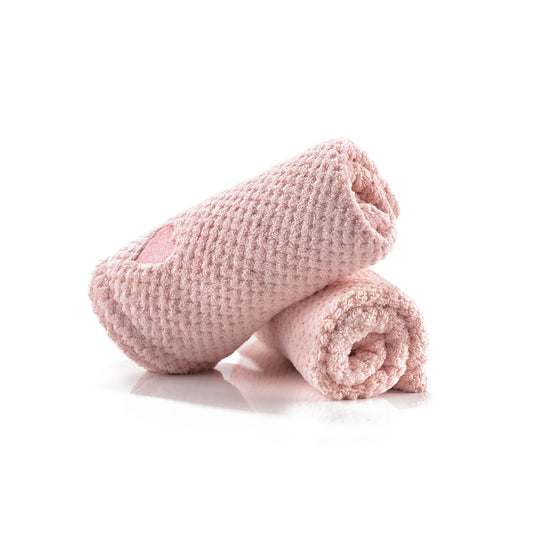
Environmental factors can play a significant role in altering your hair texture. Pollution, humidity, and seasonal changes can all affect your hair's structure and appearance. For example, high humidity can lead to increased frizz, while cold, dry air might cause your hair to become brittle. To protect your hair from environmental damage, consider using protective hairstyles and minimizing heat styling. Using a microfiber towel can also help reduce frizz and maintain your hair's natural texture.
Genetic predispositions: The role of heredity
Your genetic makeup plays a crucial role in determining your hair type and how it might change over time. If your family has a history of hair texture changes, you might experience similar shifts. While you can't change your genetics, understanding your predispositions can help you make informed decisions about your hair care routine. Embracing your natural texture and using products that enhance your hair's unique qualities can make a significant difference.
FAQs on hair texture changes
Why is my hair getting curlier?
Hair can become curlier due to hormonal changes, medication effects, or even environmental factors. If this change is sudden and concerning, it might be worth discussing with a healthcare provider.
Can stress really change my hair texture?
Yes, stress can lead to temporary changes in hair texture due to its impact on hormone levels. Conditions like telogen effluvium, triggered by stress, can cause hair to thin and change texture.
What should I do if my hair texture changes suddenly?
If you experience a sudden change in hair texture, consider consulting a healthcare provider to rule out any underlying health issues. Adjusting your hair care routine to accommodate the new texture can also help manage the change effectively.
Få en 10% rabattkod skickad till dig
Få de bästa tipsen och tricken för ditt hår från Lotte och Nanna 🥰


