 2-4 dagars leverans
 100 000+ nöjda kunder
 Fri frakt över 449 kr











How to soothe an itchy scalp naturally
Addressing an itchy scalp naturally involves a combination of gentle haircare practices and lifestyle adjustments. These steps can help alleviate discomfort and promote overall hair health without resorting to harsh chemicals or treatments.
Switch to gentle haircare products
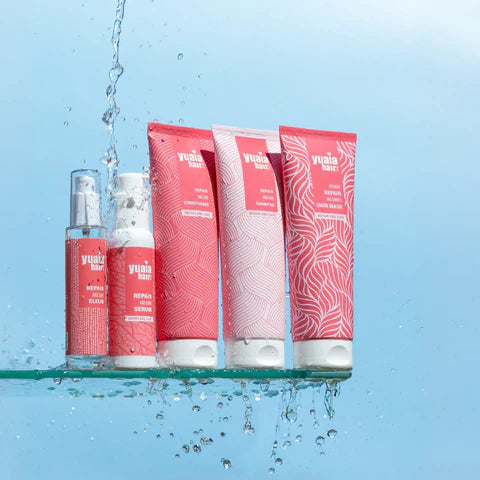
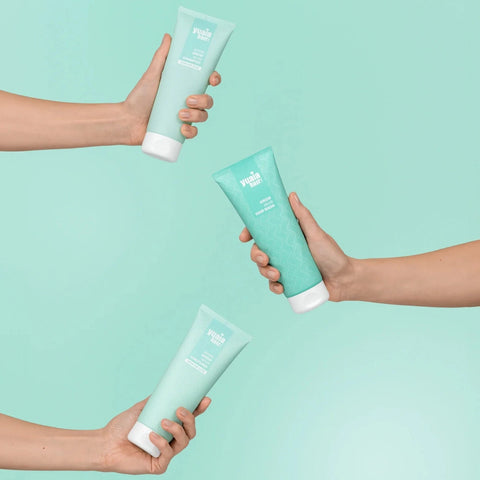
One of the first steps in soothing an itchy scalp is to evaluate the hair products you use. Opting for sulfate-free and silicone-free shampoos and conditioners can significantly reduce irritation. For example, our Grow and Glow shampoo is designed to cleanse the scalp gently while maintaining its natural moisture balance, helping to prevent dryness and itchiness.

Maintain scalp hygiene
Regular washing is essential to remove product buildup, excess oil, and environmental pollutants from the scalp. However, it's important to wash your hair with a gentle touch to avoid exacerbating irritation. Using lukewarm water instead of hot water can also help maintain the scalp's natural oils, reducing the risk of dryness.
Moisturize and hydrate
Keeping the scalp hydrated is crucial in preventing itchiness. Natural oils, such as our rosemary hair oil, can be massaged into the scalp to provide nourishment and moisture. This oil is known for its soothing properties, making it an excellent choice for those dealing with dry, itchy scalps.

Avoid triggers
Identifying and avoiding personal irritants is key to managing scalp itchiness. Common triggers include certain hair dyes and styling products, which can cause allergic reactions. By keeping track of products that cause discomfort, you can make informed choices that support a healthier scalp environment.
Incorporating these natural remedies into your haircare routine can provide relief from an itchy scalp and enhance your overall hair health. As you explore these solutions, remember that consistency is important, and gradual changes can lead to significant improvements over time.
Additional tips for scalp care
Managing an itchy scalp can be a persistent challenge, but with the right techniques and tools, you can improve your scalp health and alleviate discomfort. Here are some additional tips to consider:
Brushing benefits
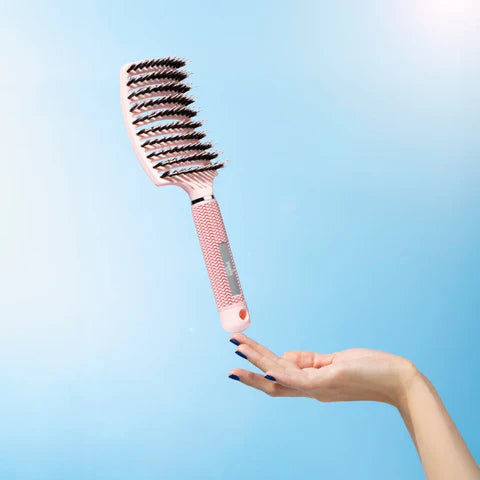
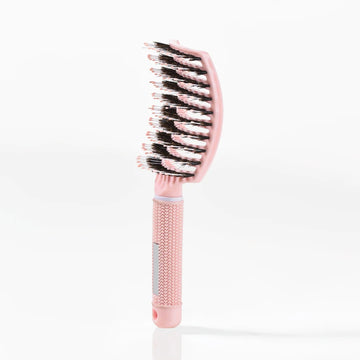
Regular brushing is an often-overlooked practice that can significantly benefit your scalp. Using a brush with natural bristles, such as our Curvy Brush, helps distribute natural oils from the scalp down the hair shaft, reducing dryness and itchiness. This gentle brushing technique can also help remove dead skin cells and product buildup, promoting a healthier scalp environment.

Consider bamboo pillowcases
Switching to bamboo pillowcases can make a difference for those struggling with an itchy scalp. Bamboo is known for its hypoallergenic properties and smooth texture, which reduces friction and irritation while you sleep. This can be particularly beneficial for those with sensitive scalps or who experience flare-ups from traditional materials.

Hydration and protection
Keeping your scalp hydrated is essential for maintaining its health. Incorporating a regular routine of using natural oils, such as our rosemary hair oil, can provide the necessary moisture and nourishment. Additionally, protecting your scalp from harsh environmental elements, like sun exposure and pollution, can prevent further irritation and dryness.

Frequently asked questions
Can stress contribute to an itchy scalp?
Yes, stress can exacerbate scalp conditions, leading to increased itchiness. Managing stress through relaxation techniques and lifestyle changes can help alleviate symptoms.
How often should I wash my hair to prevent an itchy scalp?
The frequency of hair washing depends on your hair type and scalp condition. Generally, washing your hair every two to three days with a gentle shampoo can help maintain a clean and balanced scalp.
Are there any home remedies for immediate relief from an itchy scalp?
Yes, applying a cool compress or using natural anti-itch solutions like aloe vera or tea tree oil can provide quick relief. However, it's important to test any home remedy on a small patch of skin first to ensure there's no adverse reaction.


