2-5 päivän toimitus
 100 000+ tyytyväistä asiakasta
 Tyytyväisyystakuu









Root cause analysis: Impact of hairstyles and tension
Scalp tightness often stems from the mechanical stress imposed by certain hairstyles. When hair is styled into tight braids, extensions, or high updos, it can place excessive tension on the scalp. This constant pull can not only lead to discomfort but also restrict the natural mobility of the scalp, exacerbating the sensation of tightness. Over time, this tension can impact the health of your hair by limiting blood flow to the scalp, which is crucial for delivering nutrients to hair follicles.
To mitigate this issue, consider adopting looser hairstyles that allow your scalp to relax. For instance, opting for low ponytails or loose buns can significantly reduce the pressure on your scalp. Additionally, it is beneficial to incorporate breaks between wearing tight styles. This simple change can help prevent the accumulation of tension and promote a healthier scalp environment.
Preventative measures for scalp tension
Prevention is key when it comes to managing scalp tightness. Here are some strategies to consider:
- Switch to looser hairstyles: Embrace styles that do not pull tightly on the scalp, such as relaxed braids or soft waves.
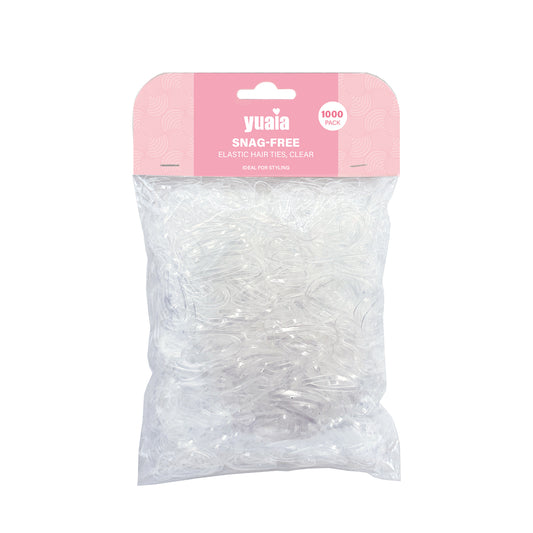
- Use snag-free hair ties: These can help minimize breakage and tension. Our snag-free hair ties are designed to hold hair securely without causing stress to the scalp.
- Incorporate regular breaks: Give your scalp a rest by alternating between tight and loose styles throughout the week.
Scalp care fundamentals: Hygiene and hydration
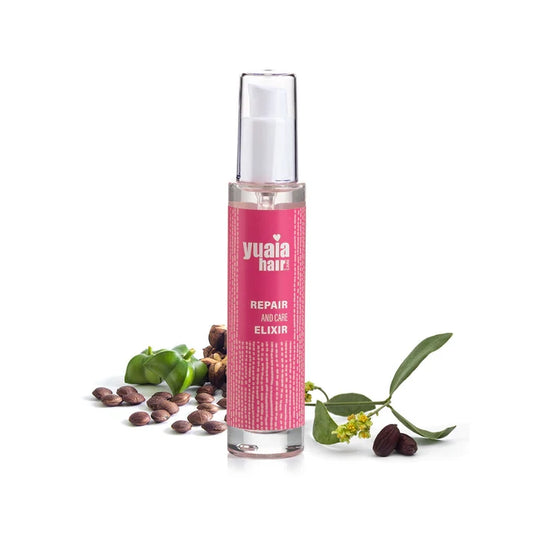
Maintaining proper scalp hygiene and hydration is essential for reducing tension. Using gentle, sulfate-free shampoos can help protect the scalp from irritation and dryness. Applying lightweight oils or serums can also combat dryness and tension by providing necessary moisture to the scalp.
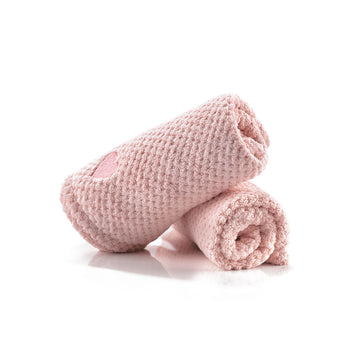
Consider incorporating a warm compress into your routine. Applying a warm compress for 5-10 minutes before a scalp massage can increase tissue flexibility, making it easier to relieve tension. This simple addition can enhance the effectiveness of your scalp care regimen, promoting relaxation and comfort.
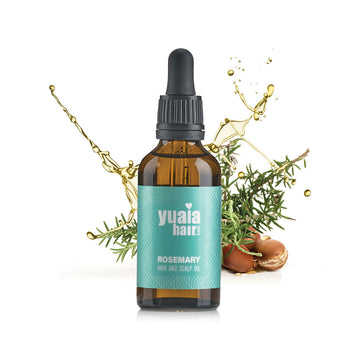
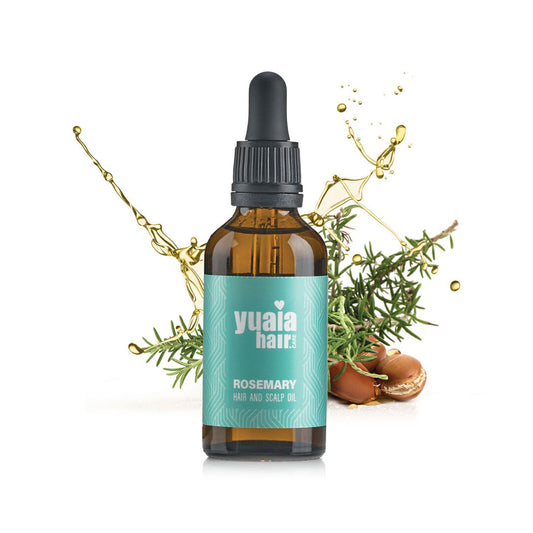
For those interested in exploring hair oils, our rosemary hair oil offers a nourishing solution that can help maintain scalp hydration and support a soothing massage experience.
Posture & ergonomic solutions
While scalp tightness is often focused on hairstyles and direct scalp care, it's important to consider how posture plays a role in this discomfort. Poor posture, particularly forward head posture, can significantly contribute to tension in the neck and scalp area. When you're hunched over a desk or looking down at a phone for prolonged periods, it can lead to tightened muscles in the neck and shoulders, which in turn affects the scalp.
To mitigate this, make ergonomic adjustments to your workspace. Ensure your computer screen is at eye level to avoid straining your neck. Taking regular breaks to stand, stretch, and move around can also help alleviate tension. These small changes can make a significant difference in reducing scalp tightness.
Neck & head stretching routines
Incorporating a series of neck and head stretches into your daily routine can help alleviate tension that contributes to scalp tightness. Simple exercises such as head rotations, ear-to-shoulder tilts, and chin-to-chest stretches can improve flexibility and reduce tension. These stretches help loosen the connective tissues that link the neck and scalp, providing relief from tightness.
For optimal results, engage in these stretching exercises for 3-5 minutes several times a day. Consistent practice can lead to a noticeable decrease in scalp tension and an overall sense of relaxation.
Frequently asked questions
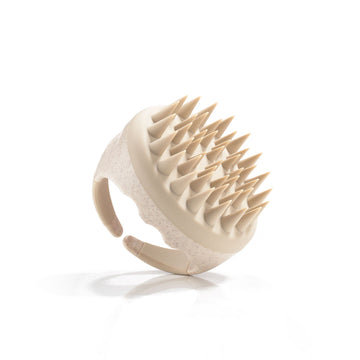
What is the best way to massage the scalp for tension relief?
The most effective way to massage the scalp for tension relief is to use gentle circular motions with your fingertips. This technique enhances blood circulation and helps distribute natural oils, providing immediate relief.
Can hairstyles really affect scalp tightness?
Yes, hairstyles can significantly impact scalp tightness. Tight styles like braids, extensions, and high updos can place constant tension on the scalp, leading to discomfort and reduced mobility.
How does hydration impact scalp health?
Hydration plays a key role in maintaining a healthy scalp. Using the right products, such as lightweight oils or serums, helps combat dryness and tension, promoting a more comfortable scalp environment.
What are simple daily habits to reduce scalp tightness?
To reduce scalp tightness, incorporate daily habits such as regular scalp massages, ergonomic adjustments to your workspace, and proper hair care practices. These can collectively contribute to a more relaxed and healthy scalp.