 2-5 päivän toimitus
 100 000+ tyytyväistä asiakasta
 Tyytyväisyystakuu







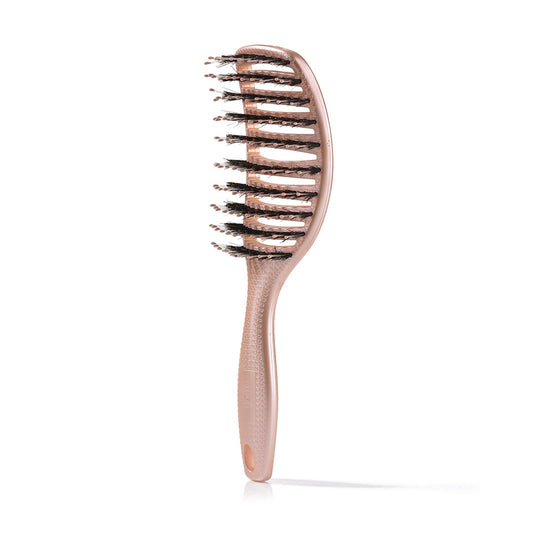
Gentle detangling and drying techniques
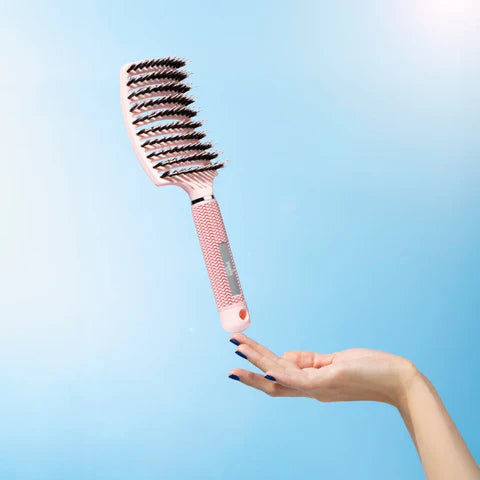
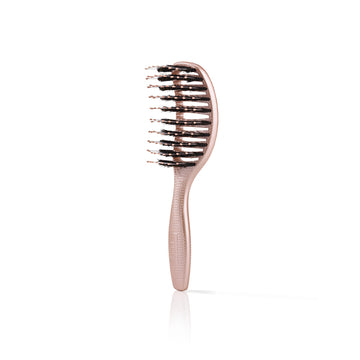
When it comes to styling curly hair without frizz, the detangling and drying process plays a pivotal role. Curly hair is more susceptible to breakage and frizz if handled roughly, so it's crucial to adopt gentle methods. Start by detangling your hair while it's still wet, using a wide-tooth comb or your fingers. This approach helps prevent breakage and maintains the natural curl pattern.
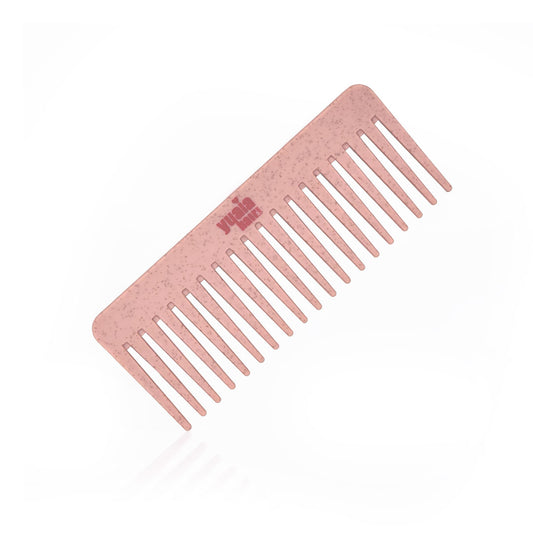
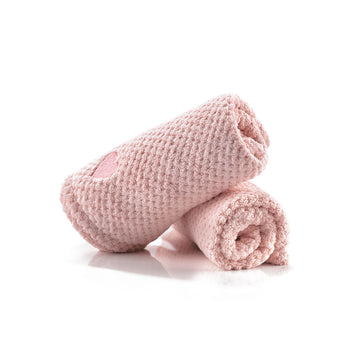
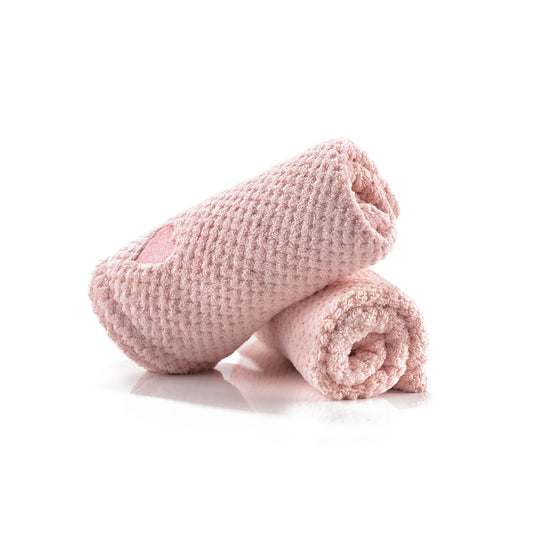
After detangling, the drying process is equally important. Instead of using a regular towel, opt for a microfiber towel to dry your hair. This material reduces friction, which can otherwise lead to frizz and disrupt curl definition. Simply pat your hair dry instead of rubbing it, which helps preserve the curl structure.
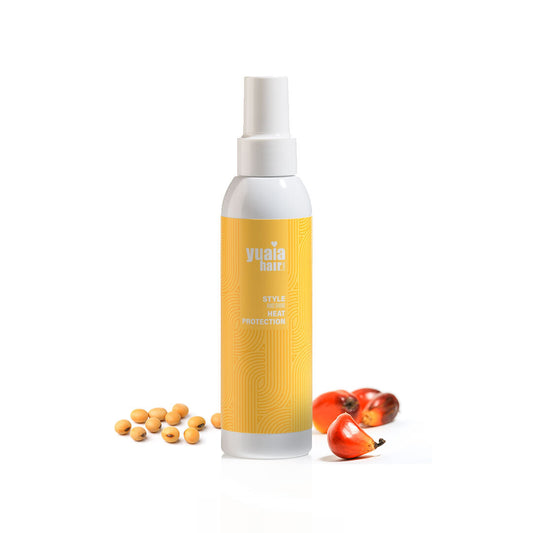
If you prefer blow-drying, use a diffuser attachment on a low heat setting. This method minimizes frizz by distributing heat evenly and encouraging curl formation without excessive heat exposure. For those using heat styling tools, a heat protectant spray is essential to safeguard your hair from damage while maintaining its natural moisture balance.
Strategic styling for frizz control
Styling curly hair without frizz requires strategic product application and techniques. Begin by applying curl creams or gels to wet hair to lock in moisture and define curls. This step is crucial because applying products to dry hair can lead to uneven distribution and frizz. Our Twirl and Curl curly cream is specifically designed to enhance curl patterns and provide hold without weighing hair down.
To apply styling products effectively, try techniques like the "prayer hands" method. This involves smoothing the product between your flat palms over the length of your hair, which helps maintain curl clumps and reduces the likelihood of frizz. Another effective technique is scrunching, which encourages curl formation and adds volume without causing frizz.
Remember, less is more when it comes to product application. Overloading your hair with products can weigh it down and lead to buildup, which ultimately causes frizz. Instead, start with a small amount and add more if needed, focusing on the mid-lengths and ends of your hair where frizz is most likely to occur.
Nighttime protection and next-day refresh
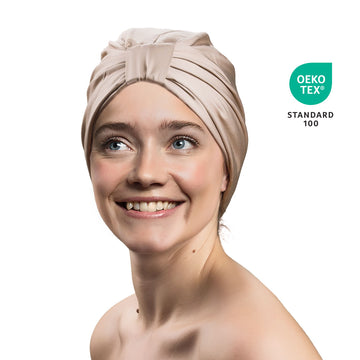
Maintaining frizz-free curls doesn't end with daytime styling; nighttime care is equally important. To preserve your curls while you sleep, consider using a bamboo pillowcase or bonnet. Bamboo fabric reduces friction, helping to maintain curl integrity and prevent frizz. Additionally, protective hairstyles like a loose braid or a "pineapple" (a high, loose ponytail) can keep curls in place overnight.
In the morning, refreshing your curls is simple. A light mist of water can revive your curls' bounce. Follow this with a small amount of curl cream, like our Twirl and Curl curly cream, to redefine and add moisture. Gently scrunch the product into your hair to enhance the curl pattern without causing frizz.
Frequently asked questions
Why do my curls still frizz after styling?
Frizz after styling can often be attributed to common mistakes such as using too much product, which can weigh down curls and lead to buildup. Incorrect drying techniques, like using a regular towel or high heat, can also cause frizz. Ensuring you apply products to wet hair and use a microfiber towel can help minimize frizz.
Is gel curly-girl friendly?
Yes, gel can be curly-girl friendly as long as it is free from alcohol and silicones. These ingredients can dry out curls and cause frizz. Look for gels that are specifically formulated for curly hair, focusing on moisture retention and curl definition.
How much product should I use?
The amount of product to use depends on your hair's thickness and curl type. Generally, start with a small amount and add more if needed. For finer hair, a dime-sized amount may suffice, while thicker hair may require a quarter-sized amount. Focus on applying product to the mid-lengths and ends, where frizz is more likely to occur.


