 2-5 päivän toimitus
 100 000+ tyytyväistä asiakasta
 Tyytyväisyystakuu





















Potential limitations and precautions
While rosemary oil is celebrated for its numerous benefits, it is essential to approach its use with care, especially for individuals with specific hair and scalp conditions. One primary consideration is the need for dilution. Rosemary oil is potent and should be mixed with a carrier oil, such as jojoba or coconut oil, to mitigate potential irritation. This is particularly important for those with sensitive or thin hair, as undiluted rosemary oil can cause discomfort or weigh hair down.
Performing a patch test before full application is advisable to ensure that the oil does not provoke an adverse reaction. This involves applying a small amount of the diluted oil to a discreet area of the scalp and monitoring for any signs of irritation over 24 hours.
Furthermore, individuals who are pregnant or breastfeeding should consult with a healthcare provider before incorporating rosemary oil into their hair care routine. This precaution helps ensure safety for both the mother and the child, as essential oils can sometimes have unintended effects during these sensitive periods.
Complementary products for enhanced hair care
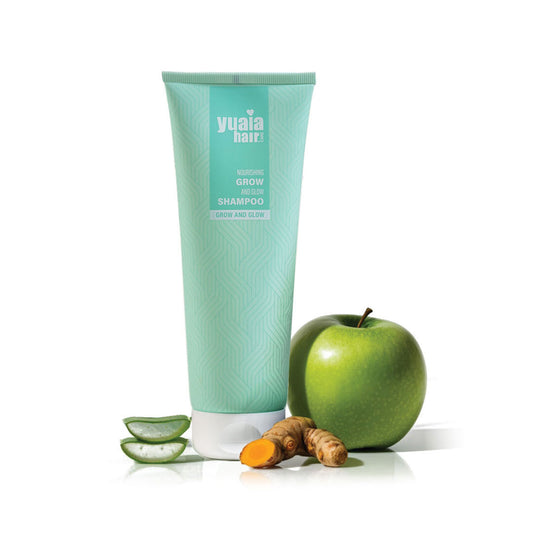
To optimize the benefits of rosemary oil and support overall hair health, integrating complementary products into your routine can be highly effective. Our sulfate-free shampoos and conditioners offer gentle hydration without weighing hair down, making them ideal for maintaining a balanced scalp environment. For those experiencing thinning or fine hair, our Grow and Glow shampoo can be a valuable addition, promoting thickness and volume.
For dry or damaged hair, consider our Repair and Care line, which focuses on nourishing and strengthening hair to prevent breakage and maintain moisture. These products work synergistically with rosemary oil, enhancing its shine-boosting and volumizing effects.

Additionally, incorporating a rosemary hair oil treatment into your routine can further support a healthy scalp and hair growth. This oil is designed to nourish and invigorate the scalp, making it a perfect companion to your hair care regimen.

How to use rosemary oil safely for your hair type
Incorporating rosemary oil into your hair care routine can be a rewarding experience, offering numerous benefits across various hair types. However, using it safely and effectively is key to maximizing its potential. Here are some practical tips to ensure you get the most out of rosemary oil:
- Scalp massage: One of the most effective ways to use rosemary oil is by performing a scalp massage. Mix a few drops of rosemary oil with a carrier oil like jojoba or coconut oil. Gently massage the mixture into your scalp for about 5-10 minutes. This not only boosts circulation but also helps in relaxing the scalp muscles, promoting healthier hair growth.
- Mixing with conditioners: Adding a few drops of rosemary oil to your regular conditioner can enhance its moisturizing properties. This is particularly beneficial for those with dry or brittle hair, as it helps lock in moisture and adds shine.
- Patch test: Before fully integrating rosemary oil into your routine, it's important to perform a patch test. Apply a small amount of the diluted oil to a discreet area of your scalp and monitor for any adverse reactions over 24 hours.
FAQs
Can rosemary oil be used on all hair types?
Yes, rosemary oil is generally safe for most hair types, thanks to its antioxidant, anti-inflammatory, and antimicrobial properties. However, those with sensitive scalps or thin hair should use caution. It's advisable to dilute the oil properly and perform a patch test to ensure there's no irritation.
Is rosemary oil effective for hair growth?
Numerous studies support the use of rosemary oil for enhancing hair growth. Its ability to boost circulation and stimulate hair follicles makes it a popular choice for those looking to improve hair thickness and length. The 2015 study comparing it to minoxidil further validates its efficacy.
What are the side effects of using rosemary oil?
While rosemary oil is generally safe, some people might experience irritation, especially if applied undiluted. To mitigate risks, always dilute rosemary oil with a carrier oil and conduct a patch test before full application. Those who are pregnant or breastfeeding should consult a healthcare provider before use.


