 2-5 päivän toimitus
 100 000+ tyytyväistä asiakasta
 Tyytyväisyystakuu












Understanding hair porosity and protein compatibility
When it comes to managing protein sensitive hair, understanding hair porosity is key. Porosity refers to your hair's ability to absorb and retain moisture, and it plays a crucial role in determining how your hair interacts with protein treatments. By evaluating your hair's porosity, you can better tailor your hair care routine to meet its specific needs.
Porosity as a diagnostic tool
Hair porosity can be classified into three main types: low, normal, and high. Each type has unique characteristics that affect how your hair responds to protein:
- Low porosity hair: This type has tightly packed cuticles that make it difficult for moisture and protein to penetrate. As a result, low porosity hair is more prone to protein overload. Opt for lightweight proteins such as amino acids, which are less likely to overwhelm your hair.
- Normal porosity hair: With this type, the cuticle layers are slightly raised, allowing for balanced moisture and protein absorption. Normal porosity hair can handle moderate protein use, maintaining a healthy moisture-protein balance.
- High porosity hair: Characterized by raised cuticles, high porosity hair absorbs moisture and protein easily but struggles to retain them. Heavier proteins, like keratin, can help reinforce the hair structure and reduce breakage.
Identifying signs of protein overload
Recognizing the signs of protein overload can prevent unnecessary adjustments to your hair care routine. Here are some indicators that your hair might be experiencing protein overload rather than sensitivity:
- Stiffness and a lack of flexibility
- Loss of elasticity, resulting in increased breakage
- Dry, rough texture that doesn't respond well to moisturizing
These symptoms suggest that your hair needs more moisture rather than less protein. To address protein overload, consider alternating protein treatments with moisturizing products to restore balance.
Effective hair care methods for protein management
Successfully managing protein in your hair care routine involves matching the right protein types to your hair's characteristics and adjusting treatment frequency accordingly. Here are some practical tips:
- Tailor protein treatments: Select protein types that align with your hair porosity. For example, low porosity hair benefits from lightweight proteins, while high porosity hair may require heavier proteins.
- Maintain moisture-protein balance: Alternate between protein treatments and moisturizing products to ensure your hair remains healthy and balanced. This approach helps prevent protein overload and supports overall hair health.
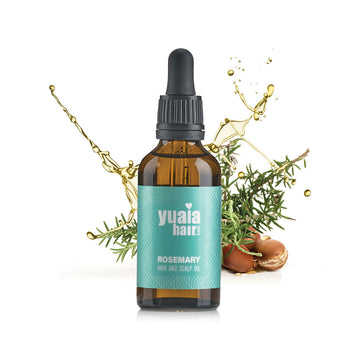
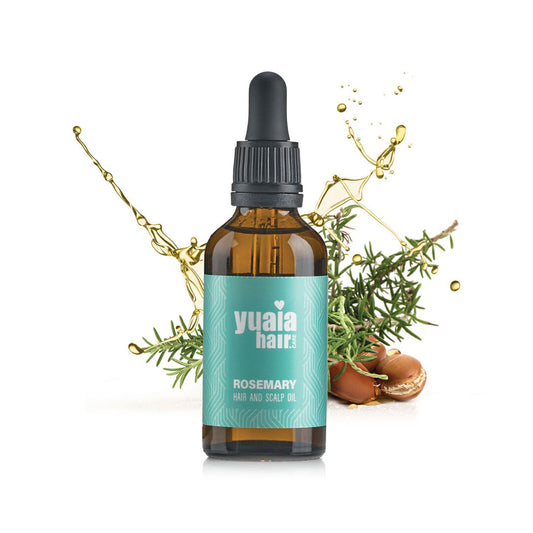
For those looking to enhance their hair care routine, our rosemary hair oil can be an excellent addition. It nourishes the hair and scalp, promoting a balanced environment for healthy hair growth.
Practical tips for managing protein sensitivity concerns
Effectively managing protein sensitivity involves making informed adjustments to your hair care routine. Here are some practical suggestions to help address protein concerns:
- Routine adjustments: Before applying protein treatments, consider clarifying your hair to remove any buildup. This ensures that the protein can penetrate effectively. Using a heat cap during treatments can also enhance absorption, allowing the protein to work more efficiently.
- Alternating treatments: To maintain a healthy moisture-protein balance, alternate between protein treatments and moisturizing products. This approach helps prevent protein overload and supports overall hair health.
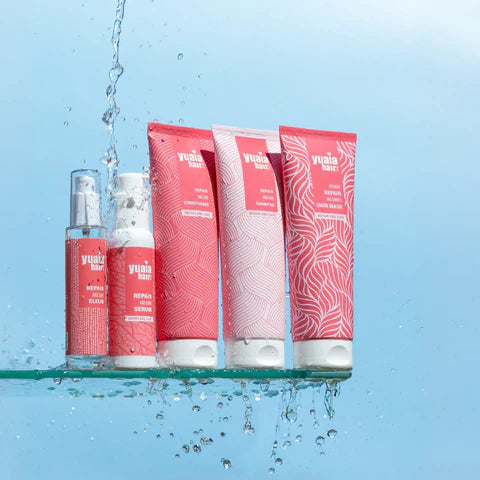
At Yuaia Haircare, we offer products that support balanced hair care routines. For instance, our rosemary hair oil nourishes the hair and scalp, promoting a healthy environment for hair growth.
Frequently asked questions
What is the best way to determine my hair's porosity?
To determine your hair's porosity, you can perform a simple test at home. Take a few strands of clean, dry hair and place them in a glass of water. Observe how quickly the hair sinks. If it floats for a long time, you likely have low porosity hair. If it sinks slowly, your hair is normal porosity. If it sinks quickly, you have high porosity hair.
How often should I use protein treatments on my hair?
The frequency of protein treatments depends on your hair's porosity and thickness. For low porosity hair, treatments every 4-6 weeks may suffice. Normal porosity hair can benefit from treatments every 3-4 weeks, while high porosity hair might require more frequent treatments, such as every 1-2 weeks.
Can protein treatments damage my hair if used incorrectly?
Yes, protein treatments can potentially damage your hair if used incorrectly. Overuse or using the wrong type of protein for your hair type can lead to protein overload, resulting in stiffness, breakage, and dryness. To avoid this, tailor your protein treatments to your hair's specific needs and alternate with moisturizing products to maintain balance.


