 2-5 päivän toimitus
 100 000+ tyytyväistä asiakasta
 Tyytyväisyystakuu







Why does my scalp feel sensitive to touch? Understanding the causes and solutions

ohi Nanna Bundgaard | 25. February 2026 | Lukemisaika: 6 minuutti
Lue lisää kirjoittajastaScalp sensitivity is a common issue that affects a significant portion of the population. In fact, studies show that 44.2% of the French population experiences this discomfort. For those affected, the sensation can range from mild irritation to severe tenderness, impacting daily activities and overall well-being. Understanding why your scalp feels sensitive to touch is the first step in addressing this often perplexing condition.
Why does scalp sensitivity occur?
Scalp sensitivity can be confusing and concerning, especially when the cause isn't immediately apparent. This discomfort might manifest as tenderness, tingling, or a burning sensation. Identifying the root causes is essential to effectively manage and alleviate these symptoms. By understanding the underlying factors, individuals can take proactive steps to improve their scalp health.
Common causes of scalp sensitivity
Several factors can contribute to scalp sensitivity, and these can be broadly categorized into medical, dermatological, and lifestyle influences:
- Medical factors: Conditions such as scalp dysesthesia, a neurological disorder, and trichodynia, characterized by pain without visible signs, can lead to scalp tenderness. These issues often involve heightened nociceptor sensitivity, which can cause discomfort even with minimal stimulation.
- Dermatological conditions: Skin disorders like seborrheic dermatitis and psoriasis are known to cause scalp sensitivity. These conditions can lead to inflammation and irritation, making the scalp more sensitive to touch.
- Lifestyle and environmental influences: External factors such as exposure to harsh chemicals, product build-up, and environmental stressors like pollution can exacerbate scalp sensitivity. Additionally, stress and hormonal changes can also play a significant role in how sensitive your scalp feels.
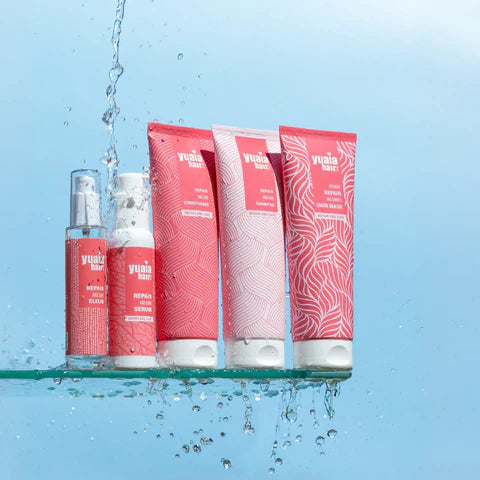
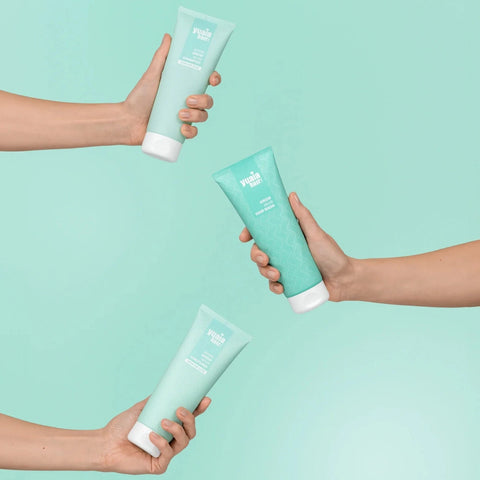
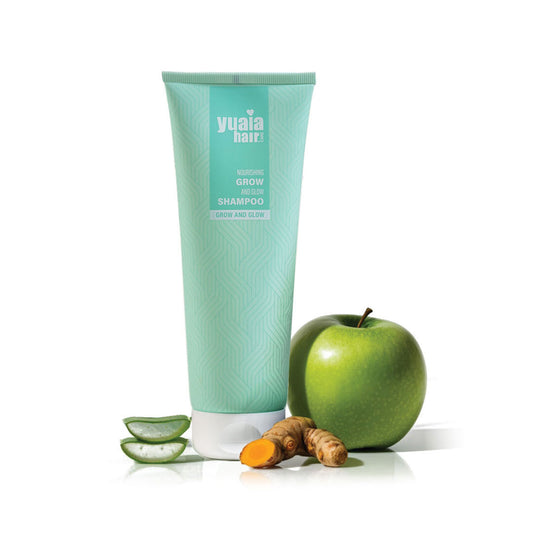
Understanding these causes can help in choosing the right strategies to manage scalp sensitivity. For instance, opting for sulfate-free and silicone-free hair care products can reduce irritation. Our Grow and Glow Shampoo offers a gentle cleansing experience, ideal for sensitive scalps.
Exploring medical and neurological causes
Understanding the medical and neurological underpinnings of scalp sensitivity can provide valuable insights into managing this condition. One such condition is scalp dysesthesia, which is characterized by sensations such as tingling or burning without any visible skin changes. This condition is often linked to nerve-related issues, where the nerves in the scalp become overly sensitive to stimuli. This heightened sensitivity can lead to discomfort and pain with even the slightest touch.
Another condition to consider is trichodynia, where individuals experience pain or discomfort on the scalp without any visible signs. This condition is associated with increased nociceptor sensitivity, meaning the nerves responsible for sensing pain are more reactive than usual. This heightened sensitivity can make routine actions like brushing or washing hair uncomfortable.
Dermatological factors contributing to scalp sensitivity
Dermatological conditions often play a significant role in scalp sensitivity. Common skin issues such as seborrheic dermatitis and psoriasis can lead to inflammation and irritation, resulting in a sensitive scalp. Seborrheic dermatitis, a type of eczema, causes red, itchy patches that can be particularly uncomfortable. Psoriasis, an autoimmune condition, leads to the rapid turnover of skin cells, resulting in scaly patches that can be painful and sensitive.
Other skin conditions like folliculitis, which is the inflammation of hair follicles, and allergic contact dermatitis, which is a reaction to certain allergens, can also contribute to scalp sensitivity. These conditions can cause itching, redness, and tenderness, making the scalp more reactive to touch.
Impact of external triggers on scalp health
External factors can significantly influence scalp sensitivity. Exposure to heat from styling devices or the sun can exacerbate discomfort. Similarly, harsh chemicals found in some hair care products can irritate the scalp, leading to increased sensitivity. Product build-up, resulting from not properly cleansing the scalp, can also cause irritation.
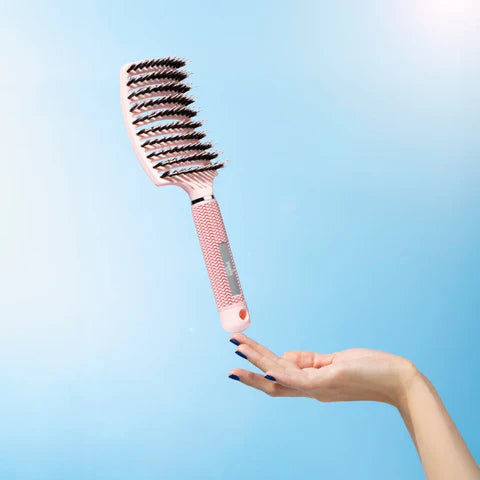
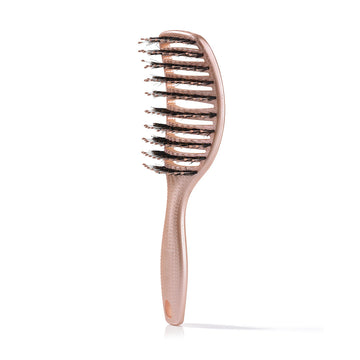
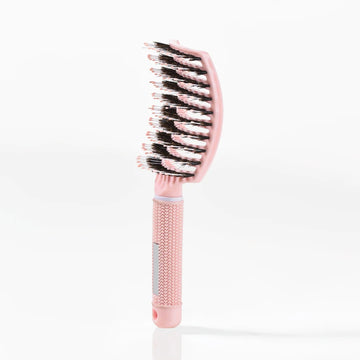
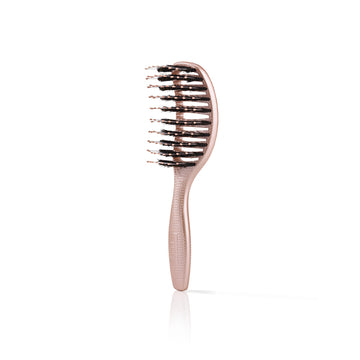
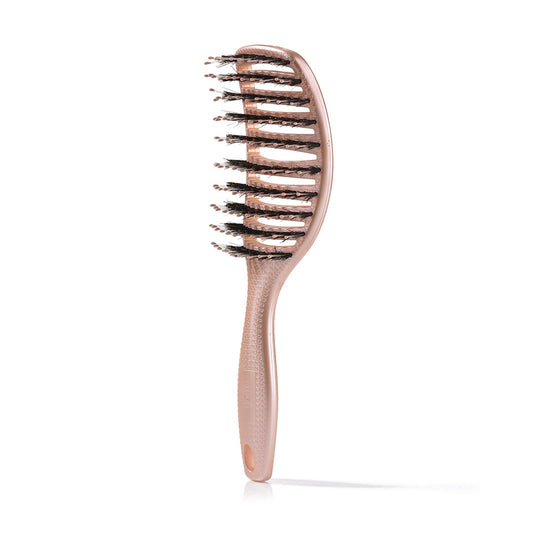
Aggressive brushing and tight hairstyles can further aggravate a sensitive scalp. To minimize irritation, consider using a gentle brush like our Curvy Brush, which is designed to reduce tugging and breakage while distributing natural oils evenly across the scalp.
€24,99
Environmental and lifestyle influences
Scalp sensitivity can also be affected by environmental and lifestyle factors. Stress and hormonal changes are known to influence how sensitive the scalp feels. Stress can exacerbate existing conditions, leading to increased discomfort. Hormonal fluctuations, such as those experienced during puberty, pregnancy, or menopause, can also affect scalp health.
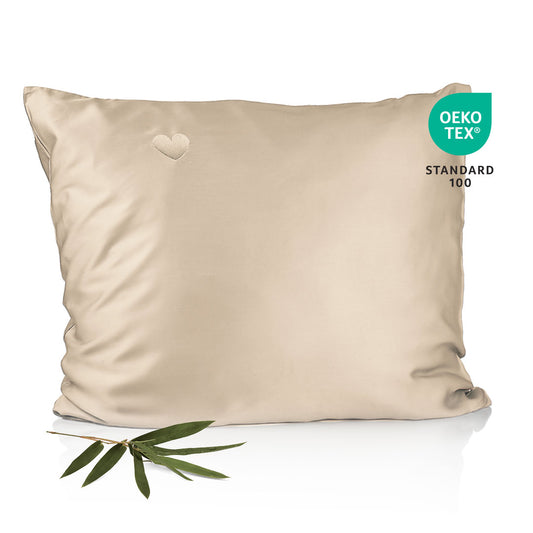
Environmental elements like pollution and sudden weather changes can further contribute to scalp sensitivity. These factors can disrupt the scalp's natural barrier, making it more prone to irritation. To protect your scalp while you sleep, consider using a bamboo pillowcase, which helps to maintain moisture and reduce friction.
Bambu tyynyliina
100% Lyocell Bamboo®-OEKO-Tex® -sertifioitu-hypoallergeeninen ja lämpötilan säätely€26,99 €53,50
The role of hair care products in scalp sensitivity
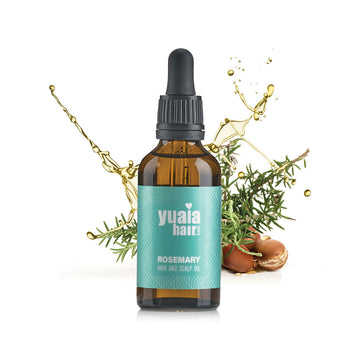
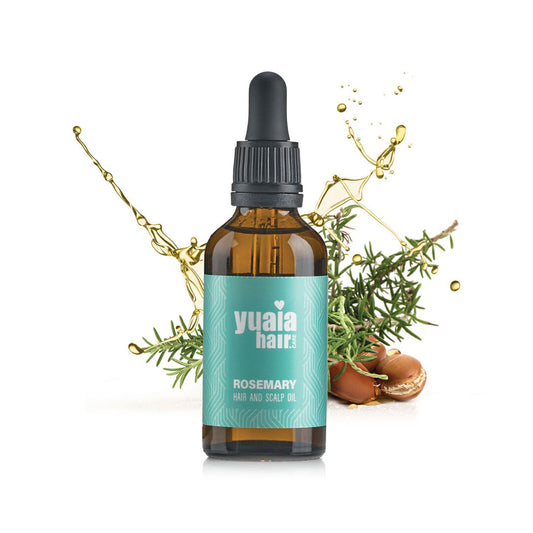
The ingredients in hair care products can either soothe or irritate a sensitive scalp. Some products contain harsh chemicals that can strip the scalp of its natural oils, leading to dryness and irritation. Opting for sulfate-free and silicone-free products can help reduce this risk. Our rosemary hair oil is an excellent choice for those with sensitive scalps, offering nourishment and hydration without harsh additives.
By understanding these various factors, individuals can make informed choices to manage and alleviate scalp sensitivity effectively.
Get a 10% discount code sent to you
Receive the best tips and tricks for your hair from Lotte and Nanna 🥰
Preventative measures for maintaining scalp health
How to protect your scalp from environmental stressors
Protecting your scalp from environmental stressors is key to maintaining its health and reducing sensitivity. Limiting exposure to harsh elements such as extreme temperatures, pollution, and UV rays can help preserve the scalp's natural barrier. Wearing a hat or using an umbrella during sunny days can shield your scalp from direct sun exposure, while also considering the use of gentle hair care products that protect against environmental damage.
Gentle hair care practices for sensitive scalps
Adopting gentle hair care practices is essential for those with sensitive scalps. This includes using products that are free from sulfates and silicones, which can strip the scalp of its natural oils and lead to irritation. At Yuaia Haircare, we offer the rosemary hair oil, which nourishes the scalp without harsh additives, making it an excellent choice for sensitive scalps. Additionally, using a soft brush like our Curvy Brush can help minimize tugging and breakage, further reducing scalp irritation.
€24,99
Natural solutions for scalp care
The benefits of natural ingredients in alleviating scalp sensitivity
Natural ingredients can play a significant role in soothing and alleviating scalp sensitivity. Products that prioritize clean, gentle ingredients can support recovery by reducing irritation and inflammation. Natural oils, such as rosemary oil, provide hydration and nourishment without the harsh chemicals that can exacerbate sensitivity. Embracing a hair care routine that includes these natural solutions can enhance scalp health and comfort.
Frequently asked questions
Can changing my hair care routine help alleviate scalp sensitivity?
Yes, changing your hair care routine can significantly help alleviate scalp sensitivity. Switching to gentle, sulfate-free products can reduce irritation and promote a healthier scalp environment.
Is aggressive brushing contributing to my scalp pain?
Aggressive brushing can indeed contribute to scalp pain by causing physical irritation and damage. Using a gentle brush, such as the Curvy Brush, can help reduce tension and distribute natural oils evenly, minimizing discomfort.
Saat 10 % alennuskoodin sähköpostiisi
Vastaanota hiuksillesi parhaita vinkkejä ja temppuja Lottesta ja Nanna 🥰


