 2-5 päivän toimitus
 100 000+ tyytyväistä asiakasta
 Tyytyväisyystakuu







What causes stringy hair?
Stringy hair can be attributed to a variety of factors, each playing a role in how your hair appears and feels. One of the primary causes is excess oil production on the scalp. When the scalp produces more oil than necessary, it can accumulate, weighing down the hair and resulting in a stringy appearance. This is often compounded by product buildup, which occurs when styling products are used excessively or not rinsed out properly. This buildup can make hair appear flat and lifeless.
Another significant factor is hair damage, often seen in the form of split ends. Damaged cuticles can cause hair to look frizzy and uneven, contributing to a stringy appearance. Regular trims are essential to manage split ends and maintain healthy hair.
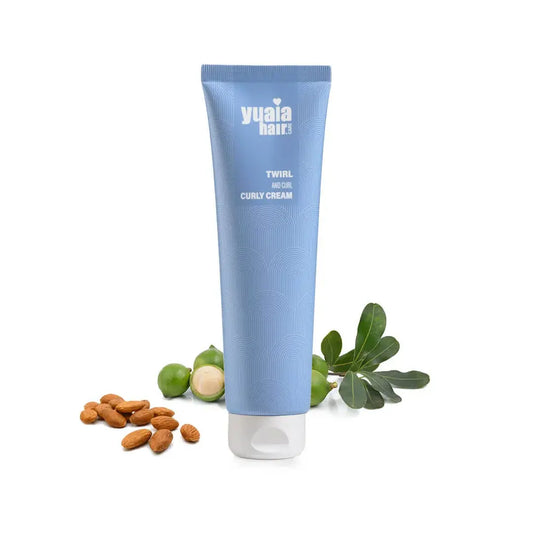
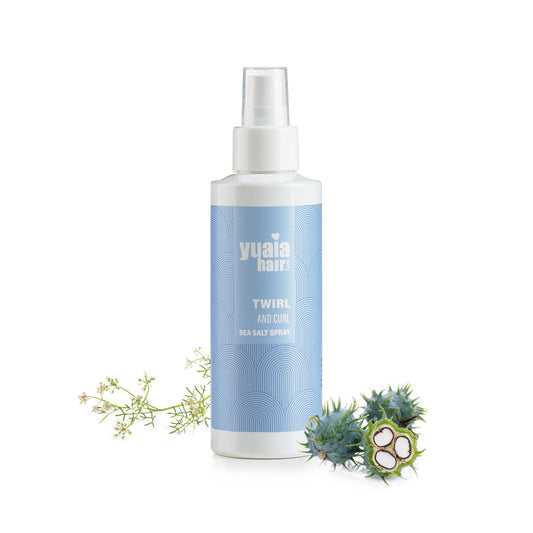
Incorrect product use is also a common culprit. Products that are too heavy for your hair type can lead to flat, lifeless hair. For fine hair, using lightweight, volumizing products can add bounce without adding weight. In contrast, curly hair benefits from hydrating products that enhance curl clumping without stiffness. For example, our Twirl and Curl curly cream is designed to define and hydrate curls, preventing them from looking stringy.
Environmental and lifestyle factors
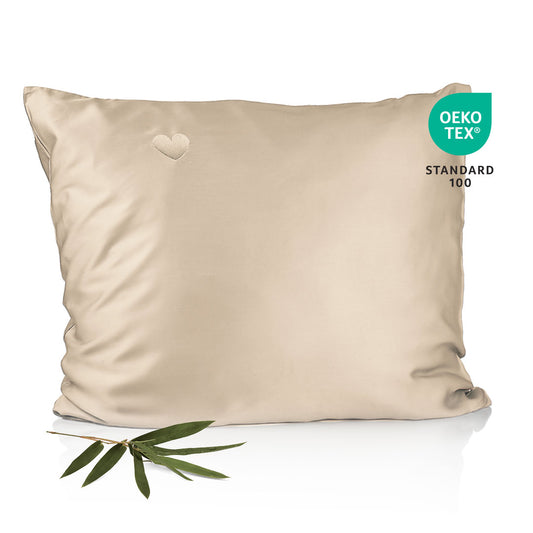
Environmental conditions, such as humidity and pollution, can exacerbate stringy hair. Humidity can add unwanted moisture to the hair, causing it to clump together, while pollution can lead to buildup that weighs hair down. Additionally, lifestyle factors such as sleeping habits play a role. Sleeping on a regular pillowcase can cause friction and lead to hair breakage or a stringy appearance. Switching to a bamboo pillowcase can reduce friction and help maintain smoother hair overnight.
Brushing and combing techniques
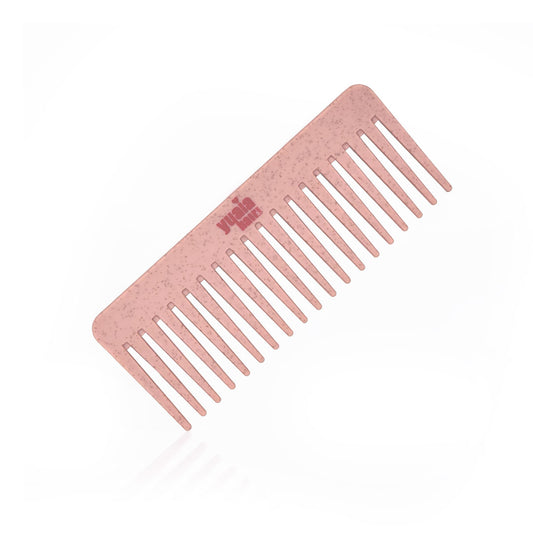
Proper brushing and combing techniques are vital for preventing stringiness. Using the right tools can make a significant difference. For instance, a wide-toothed comb is excellent for detangling without causing breakage, especially when hair is wet. This can help maintain the hair's natural volume and prevent it from looking stringy. Our wide-toothed comb is designed to glide through the hair gently, reducing the risk of damage.
Incorporating these insights into your hair care routine can help address the root causes of stringy hair, leading to healthier, more vibrant hair.
Additional insights: Hair health and texture
Stringy hair can often be a reflection of the overall health and texture of your hair. For those with fine hair, the strands are naturally more prone to looking limp and lifeless, especially if not cared for with the right products. Fine hair benefits from lightweight, volumizing shampoos and conditioners that add body without weighing the hair down. On the other hand, those with curly hair might experience stringiness due to improper hydration or product overload. Ensuring that curls are well-moisturized and not overloaded with heavy products is key to maintaining their natural bounce and definition.
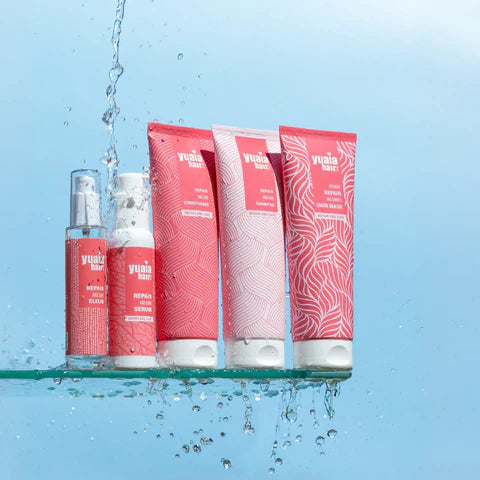
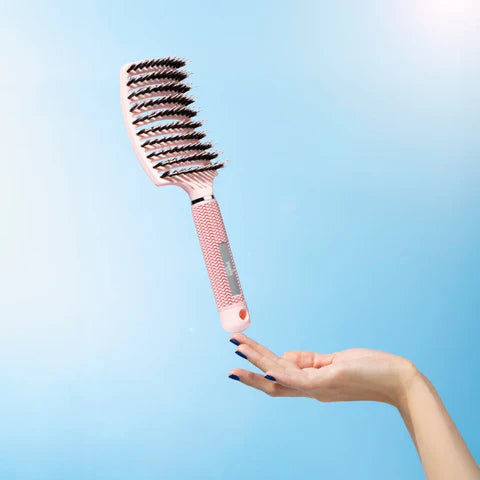
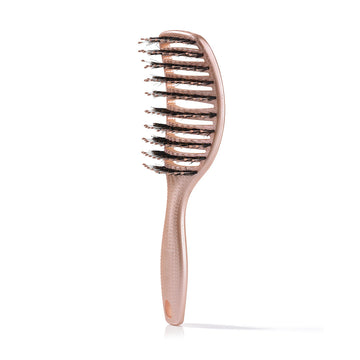
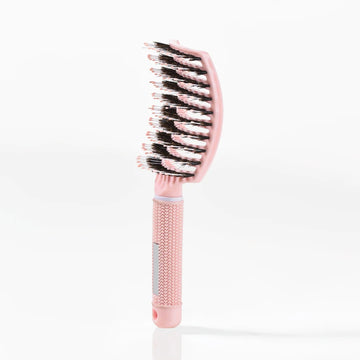
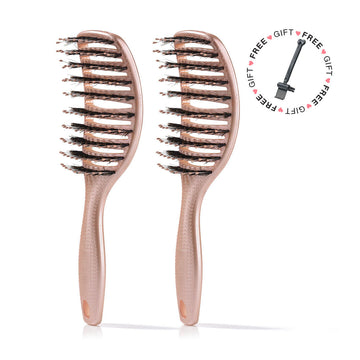
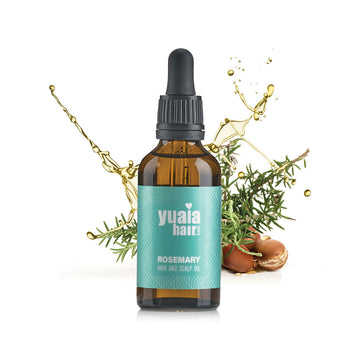
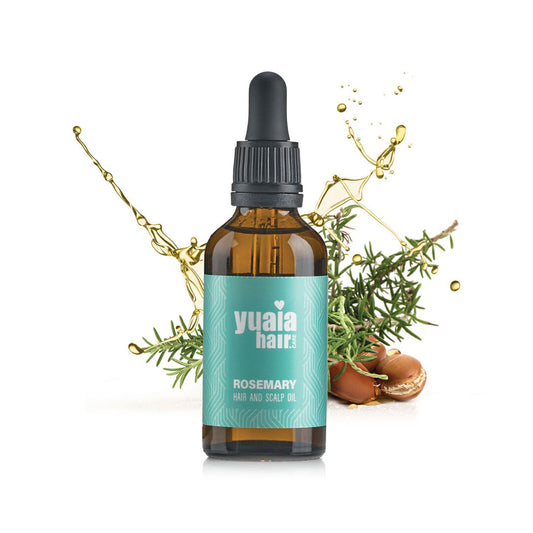
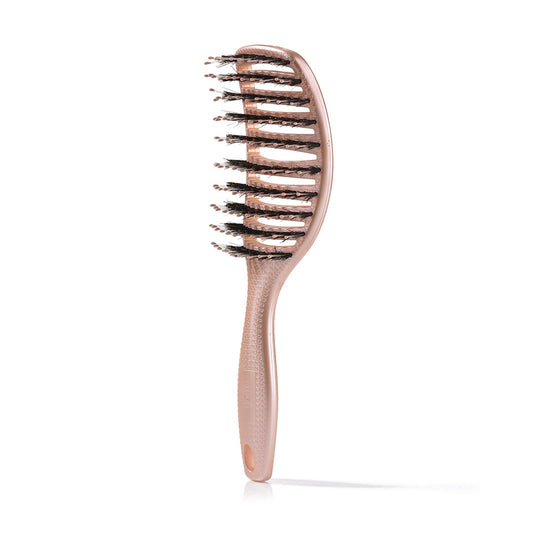
At Yuaia Haircare, we offer a variety of solutions tailored to different hair types. For instance, our Rosemary oil is ideal for nourishing the scalp and promoting healthy hair growth, which can help reduce the appearance of stringiness over time. Additionally, using a boar bristle brush can help evenly distribute natural oils from the scalp down the hair shaft, reducing the greasy appearance at the roots and promoting a healthier shine.
Techniques for enhancing hair texture
Beyond product selection, certain techniques can also enhance hair texture and reduce stringiness. For instance, blow-drying your hair upside down can help lift the roots and add volume, making the hair appear fuller and less limp. Additionally, avoiding sleeping on wet hair can prevent odd patterns and stringy sections from forming overnight.
When it comes to styling curly hair, techniques such as the "rake and shake" method can help form well-defined curls. This involves applying a curl cream to damp hair and gently raking your fingers through to separate the curls before shaking them to encourage clumping. For this, our Twirl and Curl curly cream can be an excellent choice to define and hydrate curls, preventing them from appearing stringy.
Frequently asked questions
Why is my hair stringy even after washing?
Stringy hair after washing can be due to improper rinsing or the use of overly moisturizing products that leave residue. Ensure you thoroughly rinse out products and consider using a clarifying shampoo periodically to remove buildup.
Why is my hair stringy at the ends but oily at the roots?
This issue often arises from uneven product application and natural oil distribution. Applying conditioner only to the ends can help balance moisture, while regular scalp cleansing can manage oiliness at the roots.
How can I fix stringy hair without cutting it?
To improve the appearance of stringy hair without a haircut, try using lightweight serums and oils to smooth the ends. Regularly using a clarifying shampoo can also help remove buildup and restore volume.


