 Dostawa 2-5 dni
 Ponad 100 000 zadowolonych klientów
 Gwarancja satysfakcji












Understanding the causes of tangling in fine hair
Fine hair is often prone to tangling due to its unique characteristics. The delicate texture of fine hair means it can easily stick together, leading to knots and tangles. This is further complicated by the higher density of hair, as more hair can wrap around each other, creating further opportunities for tangling.
Dryness and lack of natural oils
Another significant factor contributing to tangling is the dryness commonly associated with fine hair. Fine hair typically produces less sebum, the natural oil that helps maintain moisture. Without adequate moisture, hair becomes dry and more prone to static, which can exacerbate tangling. The use of heat styling and rough handling can further deplete moisture levels, making the hair more susceptible to damage and tangles.
Friction and damage from everyday activities
Everyday activities such as sleeping, towel-drying, and the buildup of hair products can also contribute to tangling. These activities create friction, which can lead to snags and knots. Fine hair is particularly vulnerable to damage at the ends, where tangles are more likely to form and lead to breakage.
Effective methods to prevent and manage tangles
Gentle detangling techniques
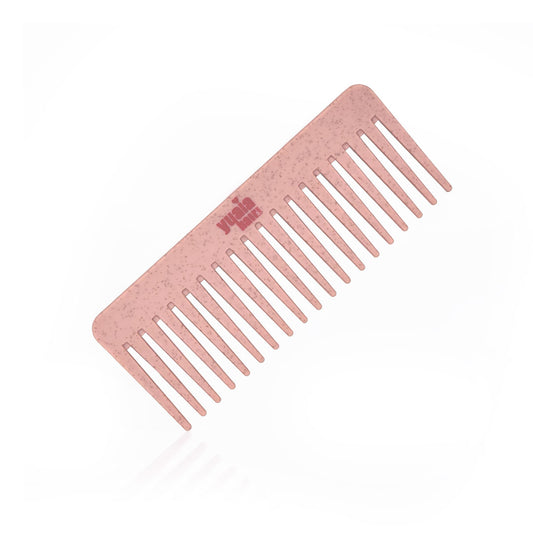
One of the most effective ways to prevent tangles in fine hair is through gentle detangling techniques. Start by using a wide-toothed comb to work through any knots. Begin at the ends and gradually move upwards to minimize breakage. Adding slip with a conditioner or detangling spray can make this process smoother and less damaging.
Hydration and moisture retention
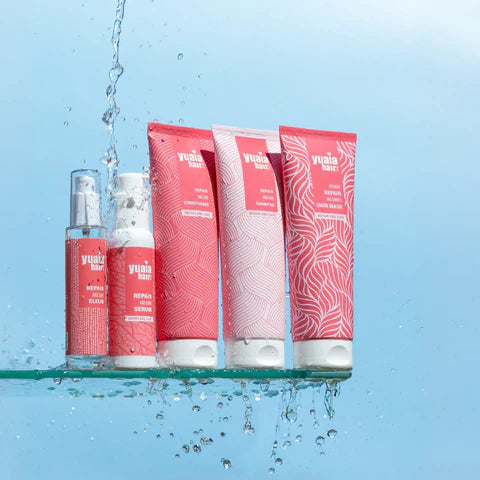
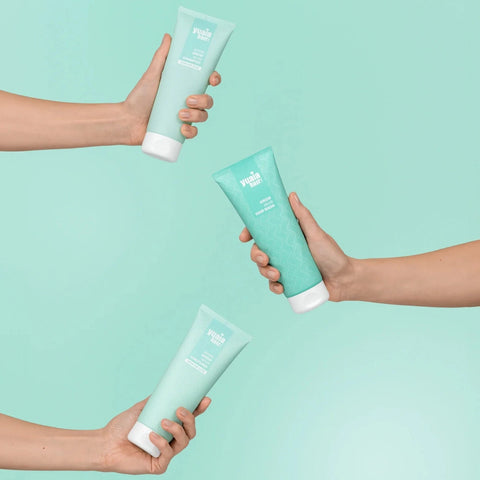
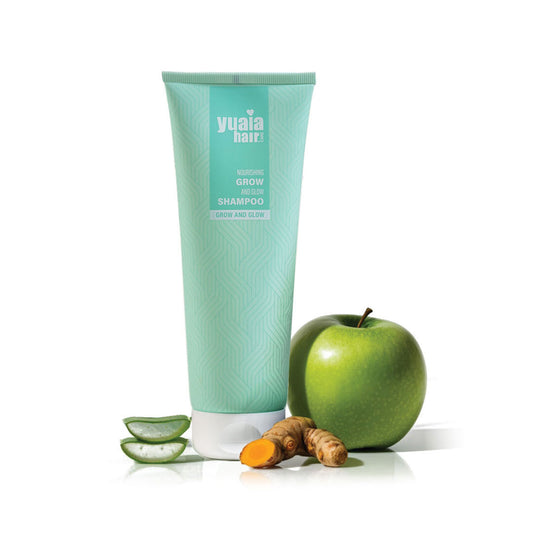
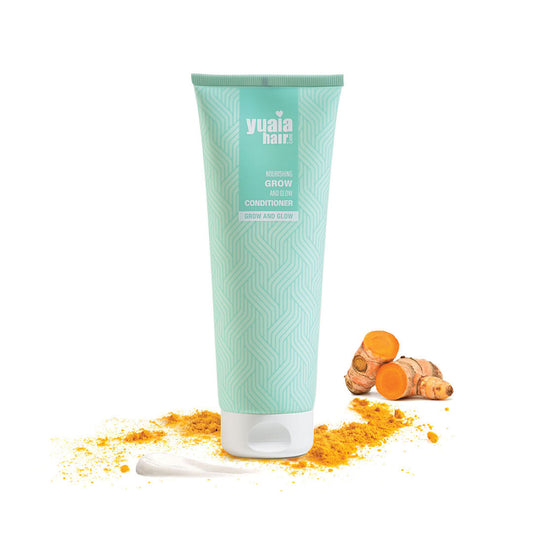
Maintaining moisture is essential for keeping fine hair smooth and manageable. Regular use of a hydrating, sulfate-free shampoo can help retain moisture without weighing the hair down. Consider using products that are specifically formulated for fine hair to ensure adequate hydration and avoid buildup.
Strategic haircuts and styling tips
Strategic haircuts, such as layered styles, can help reduce clumping and make hair easier to manage. Layers can distribute the hair more evenly, preventing the hair from sticking together and forming tangles. Additionally, styling hair in loose braids or ponytails can minimize tangles, especially during sleep.
By understanding the causes of tangling and implementing these effective methods, you can manage fine hair with greater ease and enjoy smooth, tangle-free hair.
Supporting content for routine optimization
When it comes to managing fine hair that tangles easily, optimizing your hair care routine is essential. This involves selecting the right products and tools, as well as adopting techniques that cater specifically to the needs of fine hair.
Product selection for fine hair
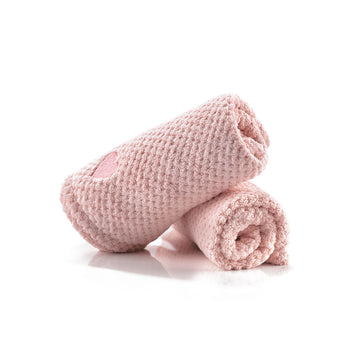
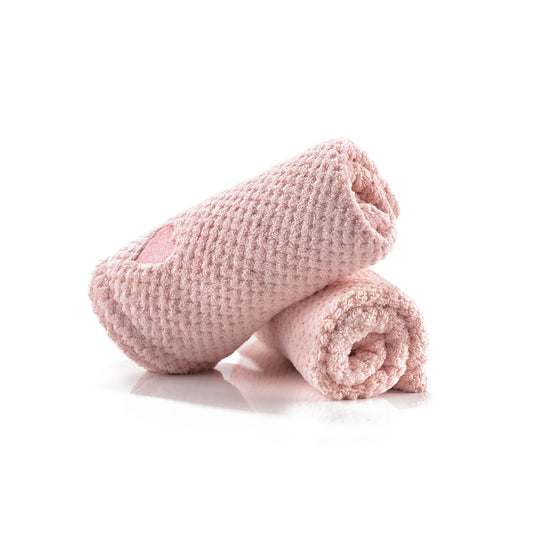
Fine hair requires lightweight products that do not weigh it down or leave behind residue. Opt for shampoos and conditioners that are free from heavy silicones and sulfates, as these can lead to buildup and further tangling. Additionally, using a microfiber towel for drying can help minimize friction and reduce the risk of tangles. Microfiber towels are gentle on the hair and absorb moisture effectively without causing damage.
Brushing techniques for fine hair
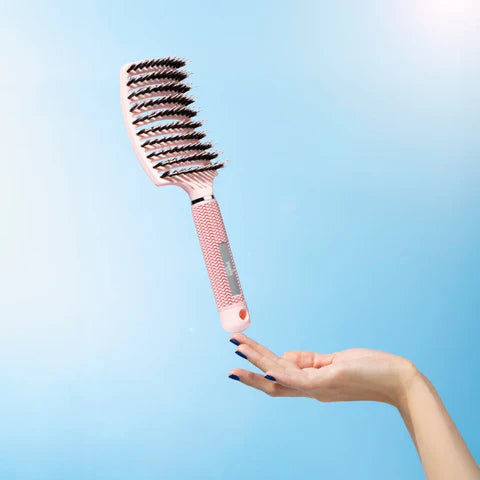
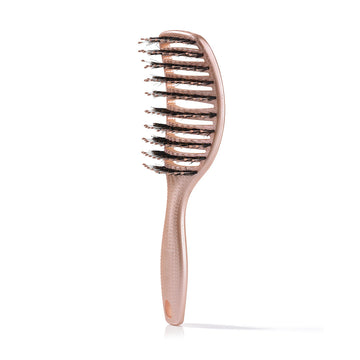
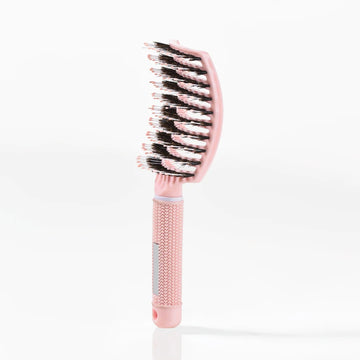
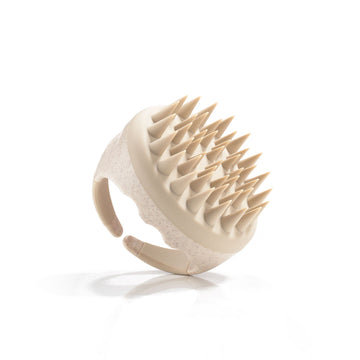
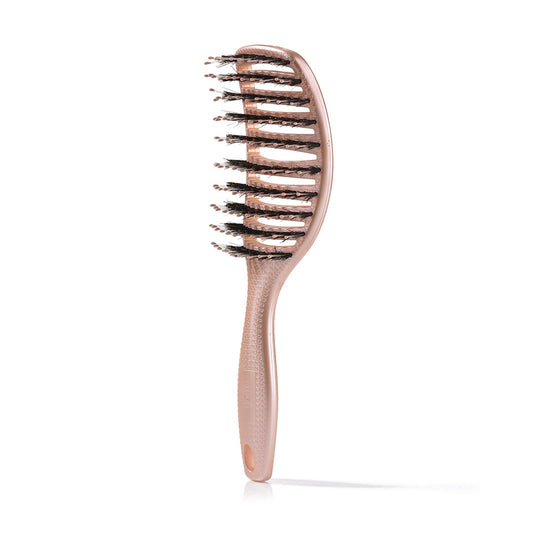
Choosing the right brush is crucial for maintaining smooth, tangle-free fine hair. Our Curvy Brush is made to gently detangle and smooth fine hair, thanks to its boar bristles that distribute natural oils and reduce static. Start brushing from the ends and work your way up to prevent breakage and ensure even distribution of oils.
Frequently asked questions
What are the best practices for washing fine hair?
Use sulfate-free shampoos and conditioners to maintain moisture without weighing hair down. This helps in keeping the hair hydrated and preventing tangles.
How can I prevent tangles while I sleep?
Using a bamboo pillowcase can reduce friction, and keeping hair in a loose braid can help prevent tangles overnight.
Are there specific ingredients to look for in products for fine hair?
Look for hydrating ingredients like aloe vera and avoid heavy oils that can cause buildup and weigh the hair down.
How often should I trim my fine hair to prevent tangles?
Regular trims every 6-8 weeks are recommended to prevent split ends and maintain overall hair health, reducing the likelihood of tangles.


