 Dostawa 2-5 dni
 Ponad 100 000 zadowolonych klientów
 Gwarancja satysfakcji














Quick fix solutions for static hair
When static hair strikes, having a few quick solutions at your disposal can make all the difference. One of the simplest methods involves using dryer sheets. By gently running a dryer sheet over your hair, you can instantly neutralize the static charge. This method is particularly useful when you’re on the go and need a fast fix.
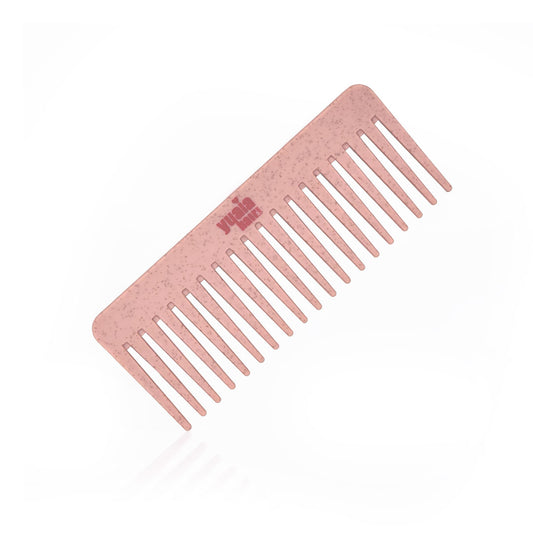
Another effective approach is to switch to metal or wood combs and brushes. Unlike plastic, these materials help discharge static electricity rather than exacerbating it. Our wide-toothed comb is an excellent choice for detangling without the added static.
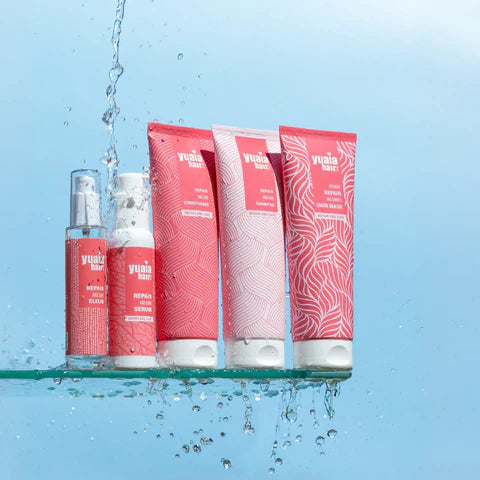
Moisturizing products also play a vital role in combating static. Applying conditioners and leave-in treatments can smooth flyaways and add much-needed moisture to your hair. This is crucial because dryness is a key factor in static buildup. Additionally, a light mist of hairspray on your hands or comb can help reduce friction, further minimizing static.
For those moments when you don’t have traditional hair products on hand, a dab of hand lotion can serve as an emergency solution. Simply rub a small amount between your palms and lightly run your hands over your hair to tame any static-induced frizz.
Preventing static hair at the root
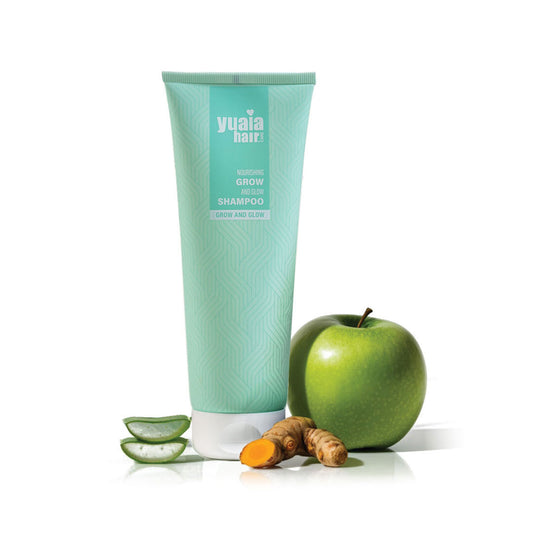
While quick fixes are helpful, addressing the root causes of static hair can provide long-term relief. Keeping your hair well-moisturized is essential in preventing static buildup. Incorporating moisture-rich shampoos and conditioners into your routine helps maintain hydration. Weekly deep conditioning treatments with hair masks are also beneficial for locking in moisture.
Managing the use of heat styling tools can prevent static as well. Opt for ionic blow dryers, which emit negatively charged ions that help neutralize the positive charges in your hair. Limiting the frequency of heat styling can also reduce the risk of dryness and static.
In environments where the air is particularly dry, such as during winter, using a humidifier can add moisture to the air and help reduce static. This is especially useful in indoor settings where heating systems can strip the air of humidity, leading to increased static electricity.
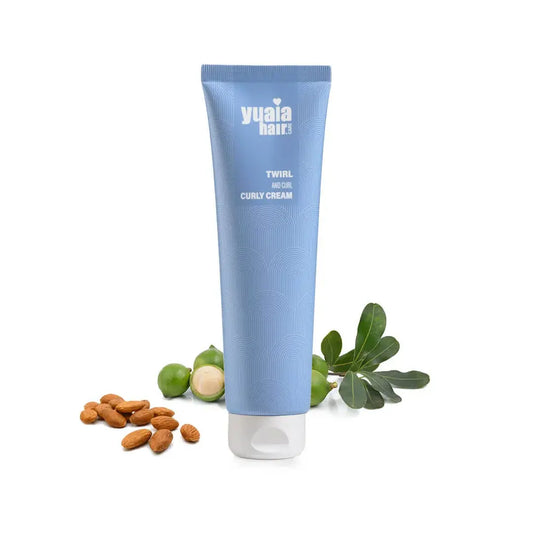
For those with curly hair, using a product like our Twirl and Curl curly cream can enhance curl definition while keeping static at bay. This cream is designed to nourish curls and provide long-lasting moisture, which is crucial in preventing static.
Additional tips for managing static hair
Beyond products and tools, there are simple techniques you can incorporate into your routine to combat static. Changing your hair parting can help redistribute hair, reducing the likelihood of static buildup. Similarly, braiding your hair can minimize friction and flyaways.
For a quick and easy solution, a small amount of water can be used to smooth down static hair. Simply dampen your hands and lightly run them over your hair to reduce static electricity.
By integrating these strategies into your hair care routine, you can effectively manage and prevent static hair, ensuring smooth and manageable hair all year round.
Additional content and FAQs: Supporting your static-free hair journey
Static hair can be a persistent issue, but understanding the finer details can make all the difference in achieving and maintaining smooth strands. Here, we explore more strategies and answer common questions to help you navigate the world of static hair with confidence.
The role of natural oils in static prevention
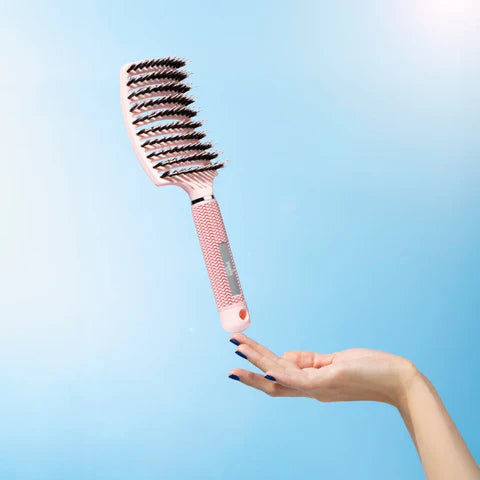
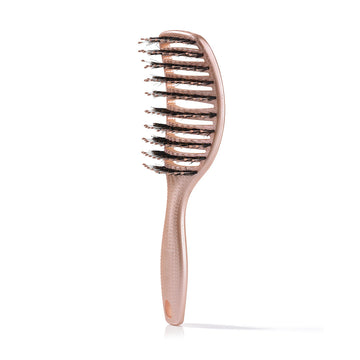
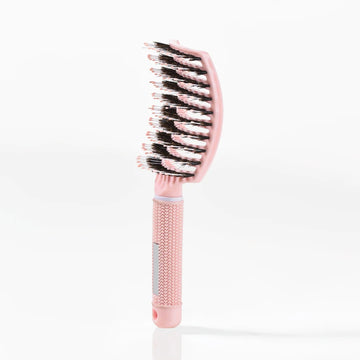
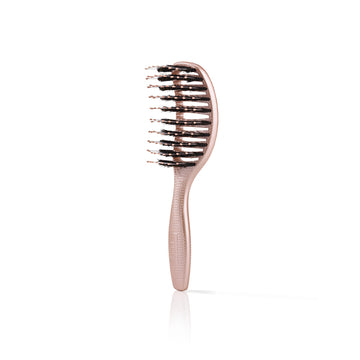
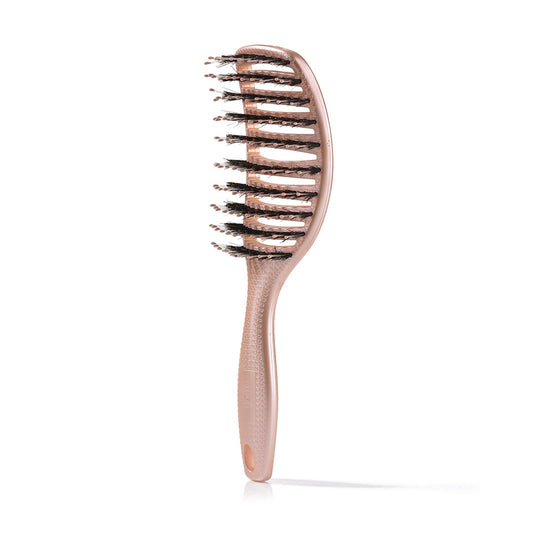
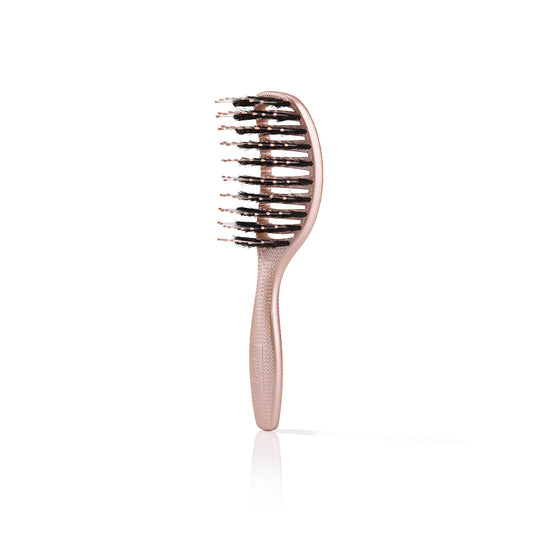
Natural oils play a vital role in maintaining hair's moisture balance, which is key to preventing static. Regular brushing with a boar bristle brush, such as our Curvy Brush, can help distribute these oils from the scalp to the ends, reducing dryness and static buildup. This technique not only enhances shine but also ensures that your hair remains hydrated and less prone to static.
Eco-friendly alternatives to dryer sheets
For those looking to avoid chemical solutions, there are sustainable options to consider. Bamboo pillowcases and bonnets, for example, offer a natural way to reduce static. Bamboo fibers are gentle on hair, minimizing friction and helping to maintain moisture levels. Additionally, using bamboo hair ties can prevent breakage and static, offering an eco-friendly alternative to traditional elastic bands.
Seasonal hair care adjustments
Adjusting your hair care routine with the seasons can significantly impact static management. During colder months, prioritize moisture-rich products and consider using a humidifier to combat dry indoor air. In contrast, warmer months may require lighter products that maintain hydration without weighing hair down. By tailoring your routine to the environment, you can effectively manage static year-round.
Frequently asked questions
What causes hair to become static in winter?
Static hair in winter is primarily caused by dry air and indoor heating, which strip moisture from the hair. This dryness increases static electricity, making hair more prone to flyaways and frizz.
How can I prevent static hair when wearing hats?
To prevent static hair when wearing hats, consider using hats with bamboo linings. Bamboo minimizes friction and helps retain moisture, reducing the likelihood of static buildup.
Are there specific hair types more prone to static?
Fine and dry hair types are particularly susceptible to static due to their lack of moisture and natural oils. Tailored solutions, such as using moisturizing products and gentle brushing techniques, can help manage static effectively for these hair types.


