 Dostawa 2-5 dni
 Ponad 100 000 zadowolonych klientów
 Gwarancja satysfakcji








Signs of unhealthy scalp: Recognize and restore your scalp's natural balance

przez Nanna Bundgaard | 08. January 2026 | Czas czytania: 6 protokół
Przeczytaj więcej o autorzeWhen it comes to maintaining healthy hair, many people overlook the importance of scalp health. A well-balanced scalp is the foundation for strong, vibrant hair, and neglecting it can lead to a variety of issues. An unhealthy scalp doesn't just cause discomfort; it can also be the root of numerous hair problems, including dandruff, hair loss, and more.
Why is scalp health important?
Understanding the state of your scalp is crucial because it directly affects your hair's appearance and overall health. An unhealthy scalp can manifest in several ways, from itchiness and redness to excess oil or dryness. Recognizing these signs early can help prevent long-term damage and ensure your hair remains healthy and beautiful.
Common issues caused by an unhealthy scalp
- Itching and Burning: Persistent itchiness can be a sign of underlying scalp issues, such as dermatitis or an allergic reaction.
- Flaking and Dandruff: While occasional flaking is normal, excessive dandruff with visible white or yellowish flakes can indicate a more serious problem.
- Excess Oil and Greasy Feel: A constantly greasy scalp can affect hair freshness and lead to further complications, such as seborrheic dermatitis.
- Dryness and Tightness: A dry, tight scalp may show as small, light flakes and can be uncomfortable.
- Redness and Inflammation: Redness can signal irritation or an allergic reaction, requiring attention to avoid further issues.
- Bumps and Sores: Acne-like spots or sores on the scalp can be caused by infections or clogged hair follicles.
- Unpleasant Odor: A musty or sour smell can indicate a microbial imbalance on the scalp.
- Hair Loss and Thinning: Chronic scalp issues can lead to hair thinning and shedding over time.
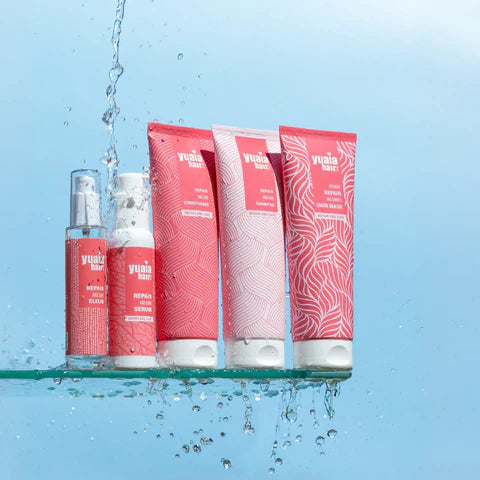
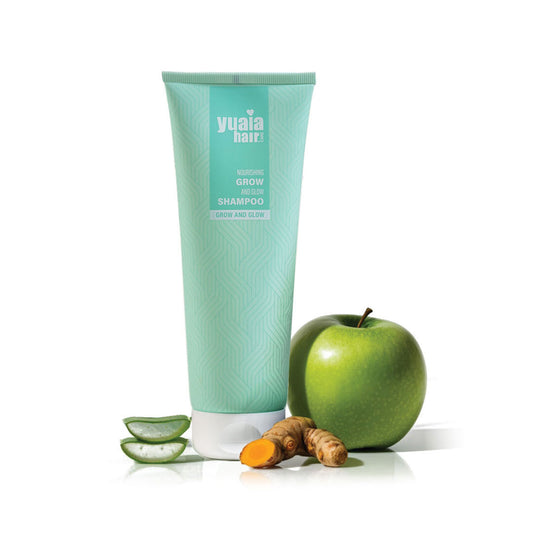
By paying attention to these signs, you can take proactive steps to restore your scalp's natural balance. This might include using gentle, sulfate-free shampoos, like our Grow and Glow Shampoo, which is ideal for oily or thinning hair. Additionally, maintaining a regular cleansing routine and avoiding harsh chemicals can help keep your scalp healthy.

Rosną i lśniła serum włosów 100 ml
Zwiększa krążenie krwi w skórze głowy i wzmacnia wzrost włosów114,00 zł 227,00 zł
Key signs of an unhealthy scalp
Recognizing the signs of an unhealthy scalp is the first step in restoring balance and maintaining healthy hair. Here are some key symptoms to watch out for:
- Itching and Burning: Persistent itchiness often indicates underlying issues such as dermatitis or an allergic reaction. This discomfort can lead to scratching, which may exacerbate the problem.
- Flaking and Dandruff: While some flaking is normal, excessive dandruff with visible white or yellowish flakes may suggest seborrheic dermatitis, a common scalp condition.
- Excess Oil and Greasy Feel: A greasy scalp can result from overactive sebaceous glands or product buildup, leading to a less fresh appearance and potential complications like folliculitis.
- Dryness and Tightness: A dry, tight scalp can produce small, light flakes and may feel uncomfortable, often due to environmental factors or harsh hair products.
- Redness and Inflammation: Redness can be a sign of irritation or an allergic reaction, which might require attention to prevent further issues.
- Bumps and Sores: Acne-like spots or sores can appear due to infections or clogged hair follicles, needing careful management to avoid scarring.
- Unpleasant Odor: A musty or sour smell may indicate a microbial imbalance, often exacerbated by poor scalp hygiene.
- Hair Loss and Thinning: Chronic scalp issues can lead to hair thinning and shedding over time, highlighting the importance of early intervention.
Understanding the causes behind each symptom
Uncovering the causes of these symptoms is essential for effective treatment. Here’s what might be behind each sign:
- Itching and Flaking: Common causes include dandruff and seborrheic dermatitis, both of which can be managed with appropriate care.
- Excess Oil: Factors like product buildup and yeast overgrowth can contribute to oiliness. Regular cleansing with a gentle shampoo can help maintain balance.
- Dryness and Redness: Environmental stressors, such as cold weather or sun exposure, and harsh products can strip the scalp of its natural oils, leading to these symptoms.
- Bumps and Odor: Bacterial or fungal infections can cause bumps and unpleasant odors, necessitating a balanced cleansing routine.
- Hair Loss: Inflammation and scalp conditions can lead to hair thinning, making it important to address these issues promptly.
Natural solutions for restoring scalp balance
Restoring your scalp’s natural balance involves a combination of gentle care and targeted products:
- Gentle Cleansing: Using a sulfate-free shampoo, like our Grow and Glow Shampoo, helps maintain a healthy scalp environment without stripping essential oils.
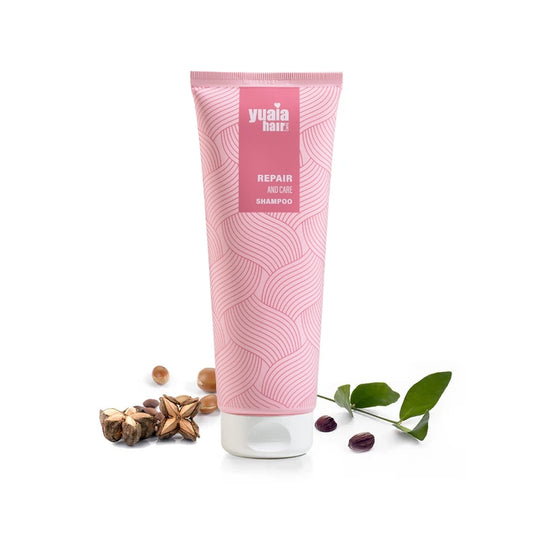
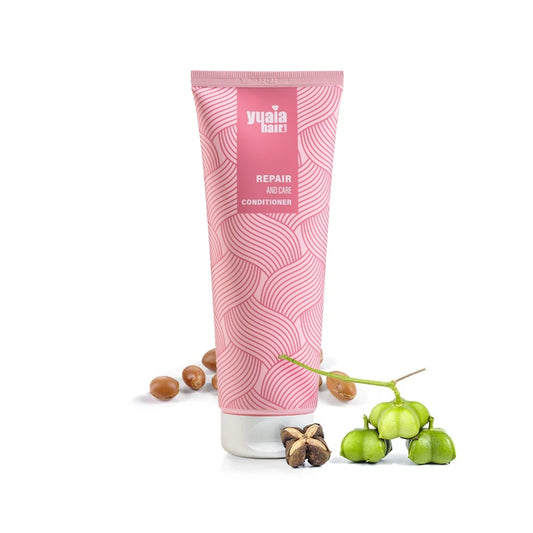
- Hydration and Soothing: Products from our Repair and Care line are designed to provide hydration and alleviate dryness, promoting a more comfortable scalp.
- Scalp Hygiene: Maintaining a regular cleansing routine prevents odor and buildup, supporting a balanced scalp microbiome.
- Reducing Irritation: Opt for fragrance-free products to minimize allergic reactions and soothe redness, protecting the scalp's delicate barrier.
Get a 10% discount code sent to you
Receive the best tips and tricks for your hair from Lotte and Nanna 🥰
Additional content and FAQs: Supporting your scalp health journey
As you continue to care for your scalp, it's important to address common questions and concerns that may arise. Understanding your scalp's unique needs can lead to more effective care and healthier hair overall.
FAQs on scalp health
What causes my scalp to itch constantly?
Persistent itching can be caused by various factors including dandruff, seborrheic dermatitis, or an allergic reaction to hair products. Ensuring your scalp is clean and using gentle, sulfate-free products can help alleviate this discomfort.
How can I tell the difference between dandruff and dry scalp?
Dandruff typically presents as larger, oily flakes that are often accompanied by redness and irritation. A dry scalp, on the other hand, results in smaller, dry flakes and is usually caused by lack of moisture. Using hydrating hair care products can help manage a dry scalp.
Why does my scalp smell even after washing?
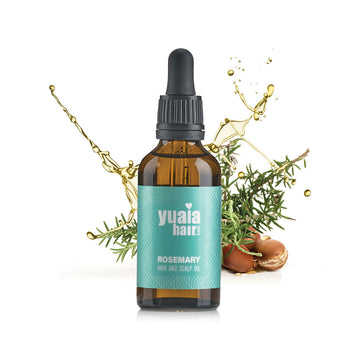
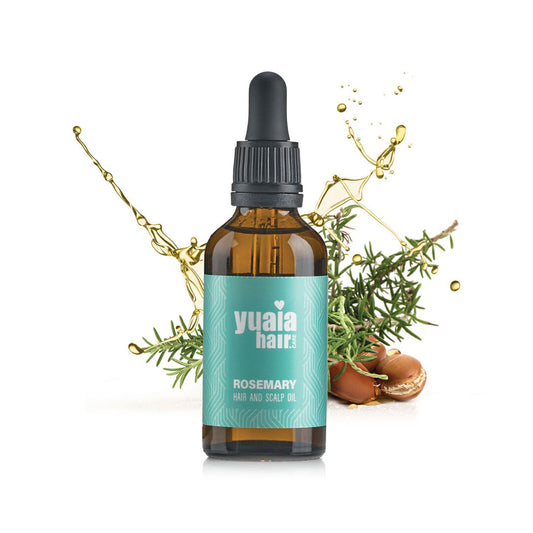
A persistent odor may indicate an imbalance in the scalp's microbiome, often due to excess oil, product buildup, or microbial growth. Maintaining a regular cleansing routine and using products like Yuaia Haircare's Rosemary oil can help restore balance and eliminate odors.
What should I do if my scalp is always red and inflamed?
If your scalp remains red and inflamed, it may be reacting to harsh chemicals in hair products or environmental factors. Switching to fragrance-free and gentle products can help reduce irritation. If the problem persists, consulting a dermatologist is advisable.
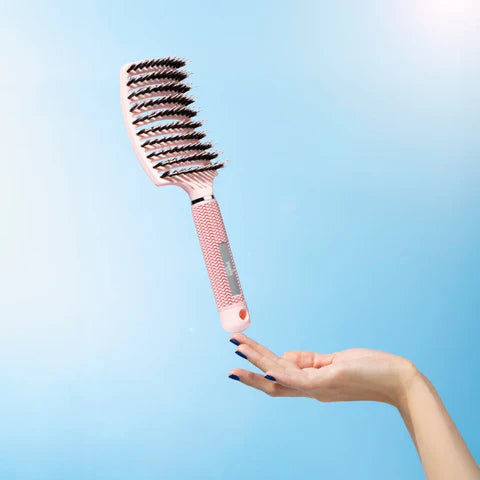
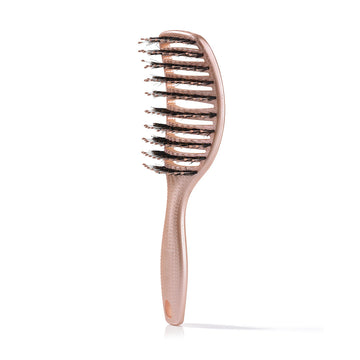
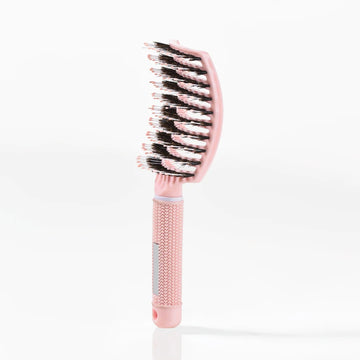
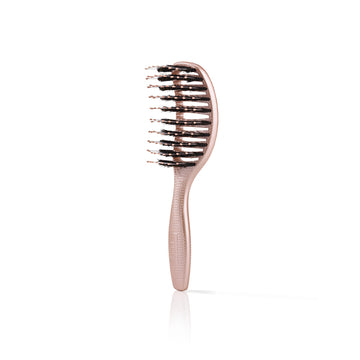
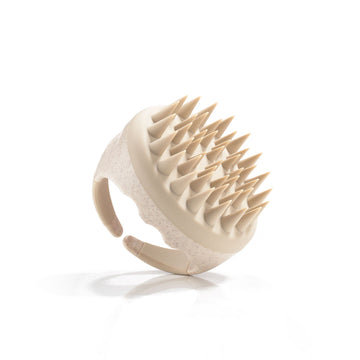
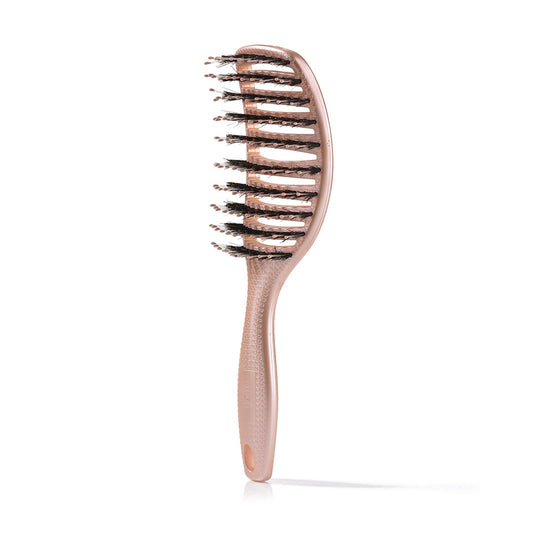
Remember, maintaining a healthy scalp is an ongoing process. By understanding the signs of an unhealthy scalp and taking proactive measures, you can ensure your hair remains vibrant and strong. For those looking to enhance their scalp care routine, consider using Yuaia Haircare's Curvy Brush to gently distribute natural oils and stimulate the scalp.
Uzyskaj wysłany do Ciebie 10% kodu rabatowego
Otrzymuj najlepsze wskazówki i porady dotyczące włosów od Lotte i Nanna 🥰


