 Dostawa 2-5 dni
 Ponad 100 000 zadowolonych klientów
 Gwarancja satysfakcji









Aging and its effects on hair
As we journey through life, the natural aging process brings about changes in various aspects of our body, including hair. One of the most noticeable effects of aging on hair is the alteration in texture. This can be attributed to a decrease in the production of collagen and natural oils, which are essential for maintaining the hair’s elasticity and moisture. As a result, hair may become finer, drier, and more prone to breakage.
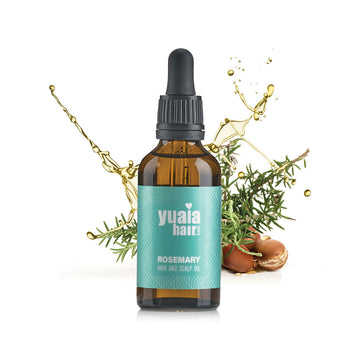
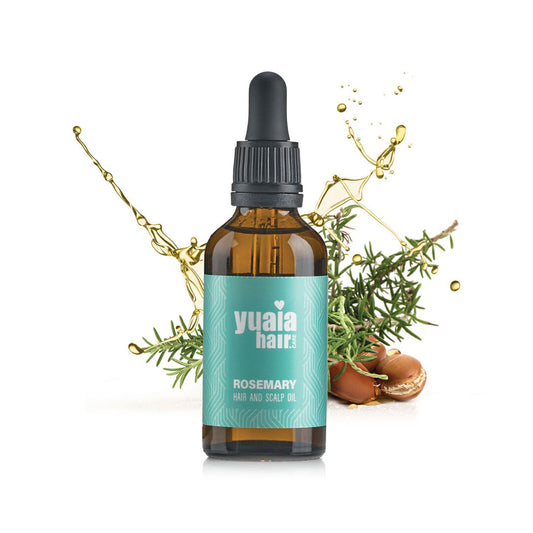
Another factor to consider is the loss of melanin, the pigment responsible for hair color. As melanin production decreases with age, hair not only turns gray but may also become coarser. This change in texture is often accompanied by an increase in brittleness, making hair more susceptible to damage. To combat these changes, it’s important to incorporate nourishing products into your hair care routine. Our rosemary hair oil can help support normal hair by providing essential moisture and promoting a healthier appearance.
Health and medical conditions influencing hair texture
Beyond aging, various health and medical conditions can lead to unexpected changes in hair texture. Autoimmune disorders, such as lupus and alopecia areata, can alter hair texture significantly. These conditions may cause hair to become thinner, drier, or even change in curl pattern, particularly affecting those with afro-textured hair.
Moreover, significant health events like surgeries or severe illnesses can trigger a condition known as telogen effluvium. This temporary condition causes hair to enter a resting phase, leading to shedding and a noticeable change in texture. Recovery from such events often involves a gradual return to the hair’s original texture, but it’s essential to maintain a gentle hair care routine during this time to support regrowth.
Medications and treatments affecting hair
Medications and certain medical treatments can also have a profound impact on hair texture. Chemotherapy, for instance, is known to alter the shape of hair follicles, affecting the hair during regrowth. Similarly, other medications, such as antidepressants and acne treatments, may have side effects that change hair texture, making it crucial to discuss these possibilities with a healthcare provider.
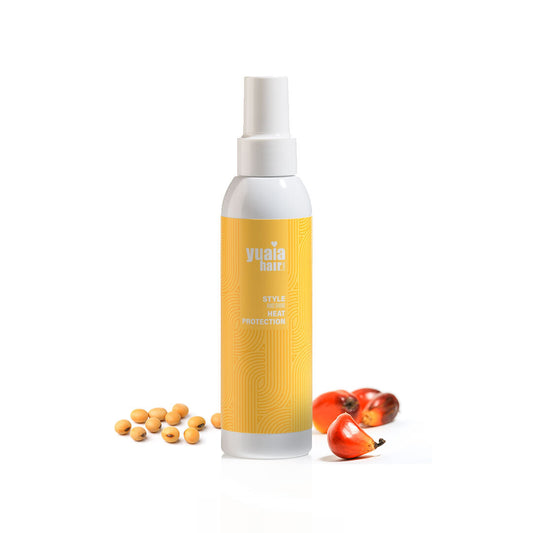
In addition, frequent exposure to chemical treatments like coloring and perms, as well as excessive heat styling, can damage the hair cuticle. This damage can lead to changes in hair texture, making it appear dry and brittle. To minimize damage, consider reducing the use of heat styling tools and incorporating protective products into your routine. Our heat protectant spray can be an effective solution to shield your hair from further texture changes.
Understanding genetic and inflammatory influences
While many factors can lead to changes in hair texture, genetics and inflammation also play significant roles. Hereditary conditions, such as androgenetic alopecia, can gradually alter hair texture by miniaturizing hair follicles. This process often results in hair becoming finer and more prone to breakage over time. Recognizing these genetic influences can help you tailor your hair care routine to better manage these changes.
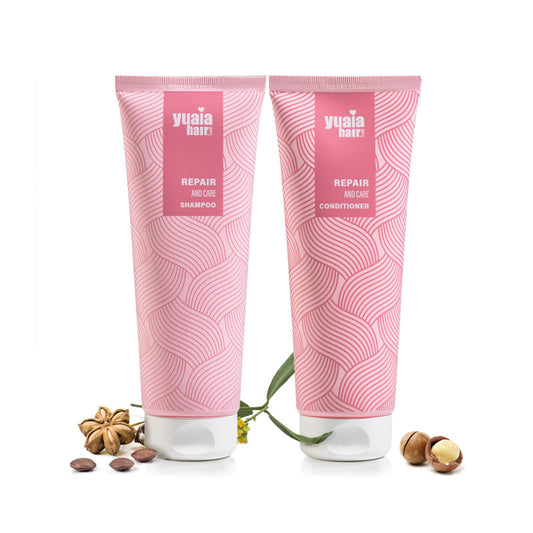
Inflammatory scalp conditions, such as psoriasis and seborrheic dermatitis, can also affect hair texture. These conditions can lead to a build-up of scales or flakes on the scalp, which can dull hair and alter its texture. Regularly cleansing the scalp with gentle, sulfate-free shampoos can help manage these conditions and maintain a healthier hair appearance.
Practical tips for managing hair texture changes
Dealing with changes in hair texture can be challenging, but adopting a few practical strategies can help you manage these changes effectively. Start by incorporating gentle hair care practices into your routine. This includes using sulfate-free products that are less likely to strip your hair of its natural oils. At Yuaia Haircare, we offer products made with natural ingredients, ensuring that your hair remains healthy and vibrant without the risk of harmful chemical exposure.
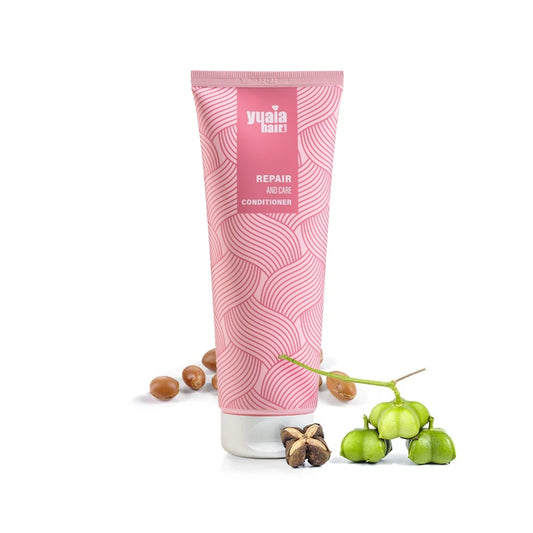
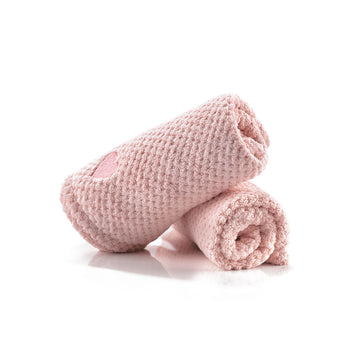
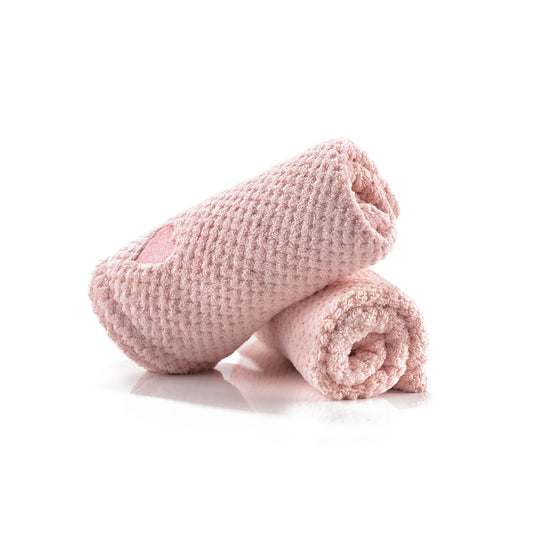
Additionally, minimizing the use of heat styling tools can prevent further texture changes. When you do use these tools, always apply a protective product, such as our heat protectant spray, to shield your hair from damage. Embracing air drying and using a microfiber towel can also help reduce frizz and maintain your hair's natural texture.
Frequently asked questions
When should you see a doctor?
If you notice a sudden or drastic change in your hair texture, it may be a sign of an underlying health issue. Consider consulting a healthcare professional if your hair becomes brittle, begins to fall out in large amounts, or if you experience any other concerning symptoms.
Can hair texture changes be reversed?
Reversing hair texture changes depends on the underlying cause. Temporary changes caused by factors like stress or minor health issues may be reversible with proper hair care and lifestyle adjustments. However, changes due to genetic factors or long-term medical conditions might require a more comprehensive approach to manage.
How do genetics affect hair texture?
Genetics can significantly influence hair texture through hereditary conditions like androgenetic alopecia, which can lead to gradual changes in hair thickness and texture. Understanding your genetic predispositions can help you adopt a hair care routine that supports your specific hair needs.


