 2-5 Tage Lieferung
 Trusted Shop Garantie
 Zufriedenheitsgarantie













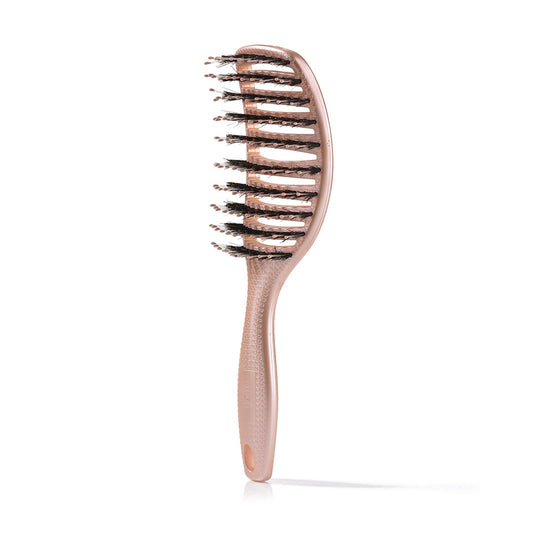
Exploring different types of brushes
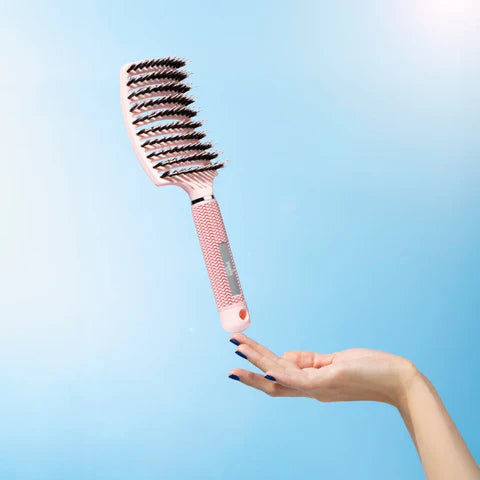
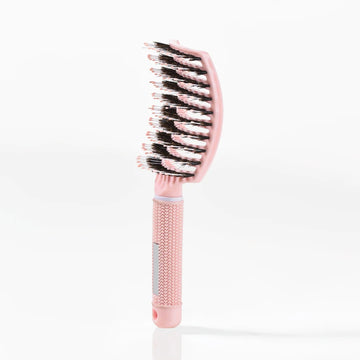
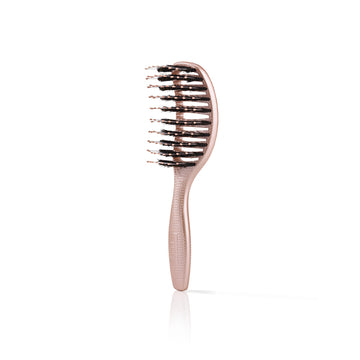
Choosing the right brush for fine hair is critical in preventing breakage and maintaining hair health. Various types of brushes offer unique benefits tailored to the needs of fine hair. One of the most recommended options is the boar bristle brush. These brushes are excellent for distributing natural oils from the scalp through the hair, which not only adds shine but also helps to protect and strengthen the hair. Boar bristles are gentle and glide smoothly, minimizing the risk of pulling and breakage.
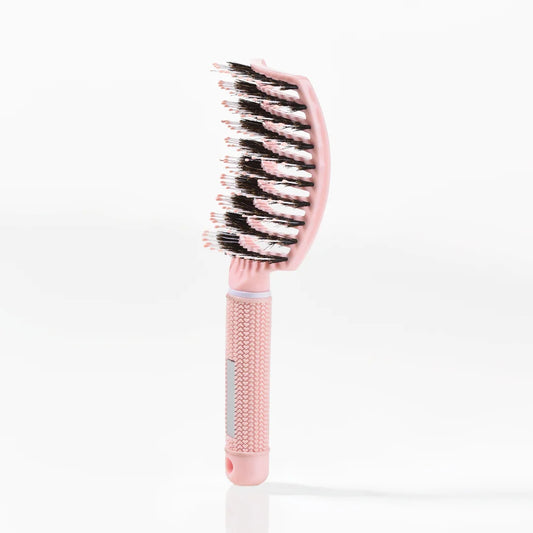
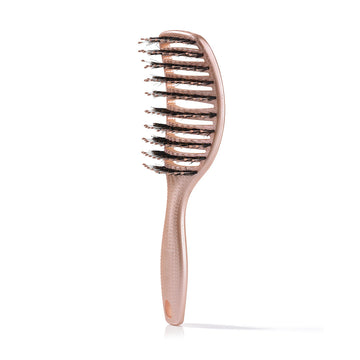
Nylon and mixed-bristle brushes are also popular choices for fine hair. These brushes combine the gentle oil distribution of boar bristles with the detangling power of nylon, providing a balanced approach to hair care. Nylon bristles are flexible and help to detangle hair without snagging, making them ideal for maintaining the integrity of fine hair. The combination of these materials ensures that the brush can handle knots and tangles while still being gentle on the hair, reducing the likelihood of breakage.
The role of brushing techniques in preventing breakage
While choosing the right brush is essential, the technique used when brushing fine hair is equally important. Proper brushing techniques can significantly reduce the risk of breakage. It is advisable to start brushing from the ends of the hair and gradually work your way up to the roots. This method helps to gently detangle without pulling and causing stress on the hair.
Brushing dry hair is also a key practice in preventing damage. Wet hair is more fragile and prone to stretching, which can lead to breakage. By allowing hair to dry before brushing, you can maintain its strength and elasticity. For those who prefer brushing wet hair, using a brush like our Curvy Brush, which features boar bristles, can help distribute oils and add shine while being gentle on the scalp and hair.
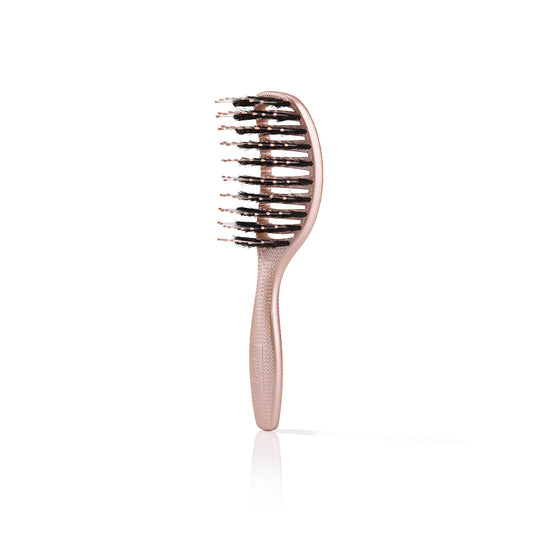
Incorporating these techniques into your hair care routine can make a significant difference in the health and appearance of fine hair. By focusing on both the type of brush and the method of brushing, you can effectively prevent breakage and keep your hair looking its best.
Complementary haircare tips
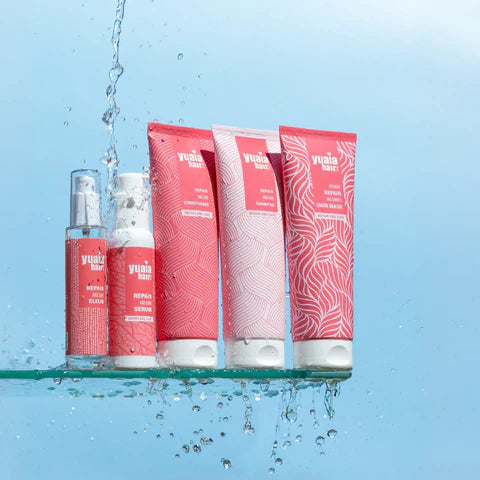
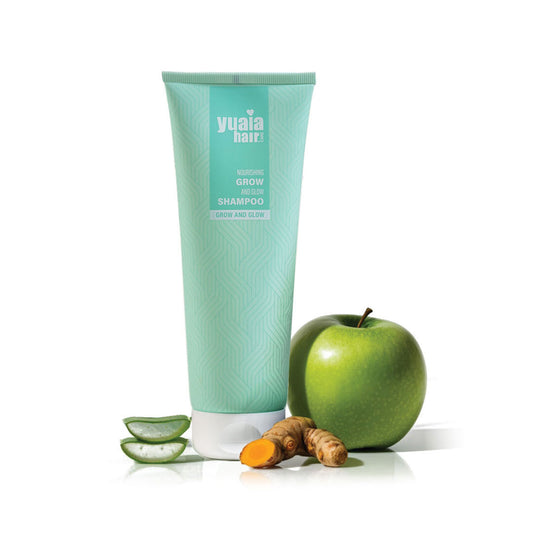
In addition to selecting the right brush, incorporating effective haircare practices can further safeguard fine hair from breakage. One such practice is using a sulfate-free shampoo, like our Grow and Glow Shampoo, which helps enhance hair strength and reduce breakage. Sulfate-free formulas are gentle on the scalp and hair, preventing the stripping of natural oils that are essential for maintaining hair health.
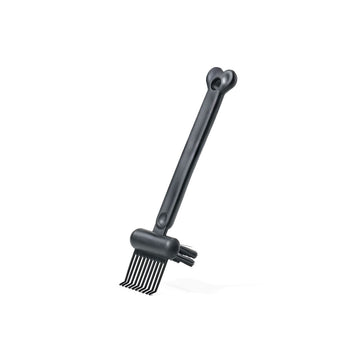
Maintaining scalp health is also crucial for fine hair. Regularly cleaning your brushes helps prevent product buildup and ensures that your scalp remains clean and healthy. This can be achieved by gently washing your brushes with water and mild soap, then allowing them to dry completely before use.
Additionally, avoiding excessive use of styling products can prevent buildup, which can weigh down fine hair and lead to breakage. Opt for lightweight products that provide volume without compromising the hair's integrity.
Common mistakes to avoid
When caring for fine hair, it’s important to be aware of common mistakes that can lead to breakage. One frequent error is using too much force while brushing. Gentle strokes are recommended to prevent unnecessary stress on the hair. Additionally, brushing hair when it’s wet can increase the risk of breakage since wet hair is more elastic and prone to stretching. If you must detangle wet hair, consider using a wide-tooth comb or a gentle brush designed for wet hair.
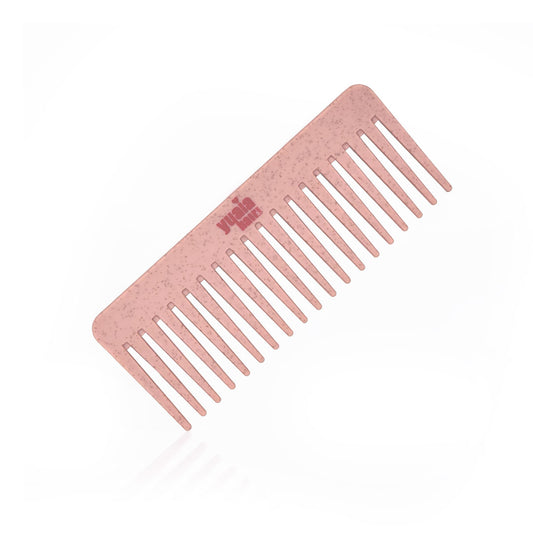
Furthermore, using the wrong type of brush for your hair texture can result in damage. Ensure you select a brush that is specifically made for fine hair, such as those with soft, flexible bristles that minimize pulling and snagging.
Frequently asked questions
How often should you brush fine hair?
Brushing fine hair once or twice a day is generally sufficient. Over-brushing can lead to breakage, so it's important to be gentle and avoid excessive brushing.
Can brushing help with volume for fine hair?
Yes, using the right brush can add volume and body to fine hair without causing damage. Brushes with natural bristles, like boar bristles, can help lift the hair at the roots and create a fuller appearance.


