 2-5 päivän toimitus
 100 000+ tyytyväistä asiakasta
 Tyytyväisyystakuu











Understanding hair breakage
Breakage is a form of structural damage where hair becomes short, brittle, and rough due to strands snapping. This issue often arises from weakened proteins within the hair, typically caused by excessive heat styling, frequent washing, tight hairstyles, and sometimes nutritional deficiencies. Unlike frizz, which is largely a surface-level concern, breakage indicates deeper damage that requires targeted care.
Identifying breakage involves looking for visible signs like short, snapped hair and split ends. Additionally, a wet strand stretch test can be insightful. If your hair stretches but doesn't return to its original shape, it suggests a lack of elasticity, indicating breakage. Addressing breakage involves strengthening hair with protein-rich products and reducing practices that cause damage.
Causes of breakage
Several factors contribute to hair breakage. Heat styling tools, such as straighteners and curling irons, can weaken hair proteins, leading to breakage. Over-washing strips the hair of natural oils, causing it to become dry and brittle. Tight hairstyles, like ponytails and braids, exert stress on the hair, increasing the risk of breakage. While a healthy diet supports hair health, nutritional gaps can exacerbate the problem.
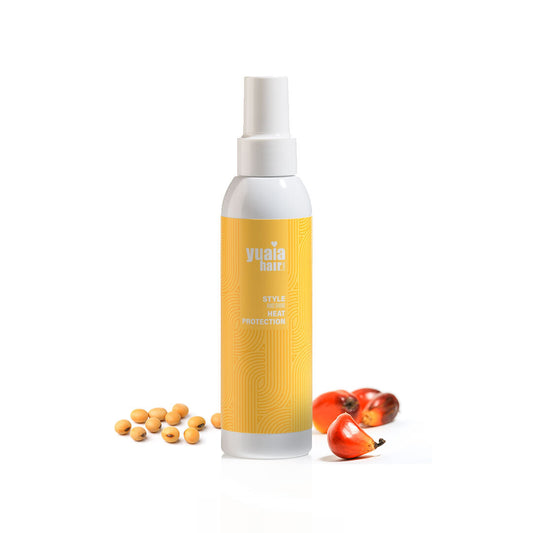
To protect your hair from breakage, consider using a heat protectant spray before styling. This product helps shield hair from the damaging effects of heat, preserving its strength and elasticity.
Diagnostic methods for breakage
Identifying breakage early can prevent further damage. One effective method is the wet strand stretch test, which evaluates hair elasticity. Gently stretch a wet section of hair; if it stretches but doesn't bounce back, it may indicate breakage. Additionally, visually inspect your hair for short, uneven pieces and split ends, which are telltale signs of breakage.
To manage breakage, incorporate strengthening treatments into your hair care routine. Products rich in proteins can help rebuild and fortify hair, reducing the likelihood of further breakage. It's also beneficial to minimize heat styling and opt for looser hairstyles to alleviate stress on the hair.
Preventive measures and solutions
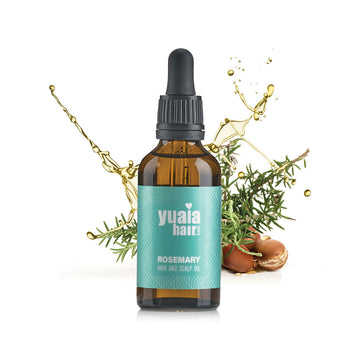
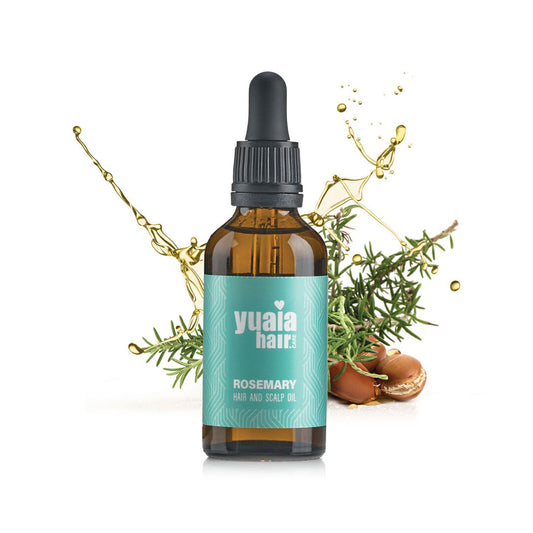
Preventing breakage involves adopting a hair care routine that focuses on strengthening and protecting hair. Regular trims can help remove split ends and prevent them from traveling up the hair shaft. Additionally, using products like our rosemary hair oil can nourish and strengthen the hair, promoting resilience against breakage.
Incorporating these practices into your routine can significantly enhance hair health, making it more resistant to breakage. By understanding the distinct characteristics of frizz and breakage, you can tailor your hair care approach to address each concern effectively.
How to choose the right hair care routine
Choosing the right hair care routine is essential to effectively manage frizz and breakage. Understanding your primary hair concern can guide you in selecting the most suitable products and techniques. If frizz is your main issue, focus on hydrating products that smooth the hair cuticle, such as sulfate-free shampoos and moisturizing serums. For breakage, prioritize products that strengthen and repair the hair structure, like protein-rich treatments and gentle styling methods.
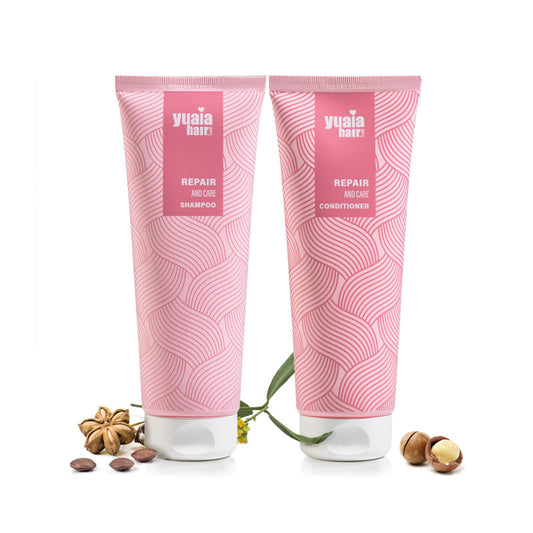
Customizing your routine according to your hair's needs ensures that you address the underlying causes of frizz and breakage. This tailored approach can significantly enhance your hair's resilience and appearance, leading to healthier locks over time.
Common questions about frizz and breakage
Can frizz lead to breakage?
Yes, untreated frizz can potentially lead to breakage over time. Frizz often results from a lack of moisture, which can weaken the hair structure. When hair becomes dry and brittle due to frizz, it is more susceptible to snapping and breaking. Therefore, managing frizz with appropriate moisturizing products can help prevent it from progressing to breakage.
Is brushing good for frizzy hair?
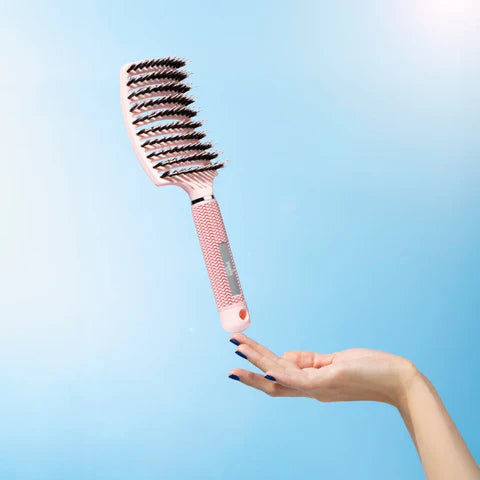
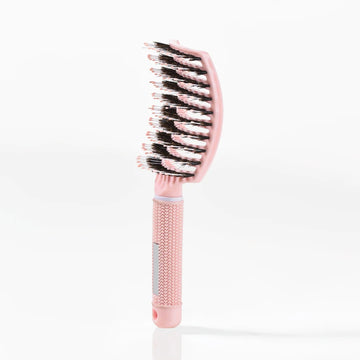
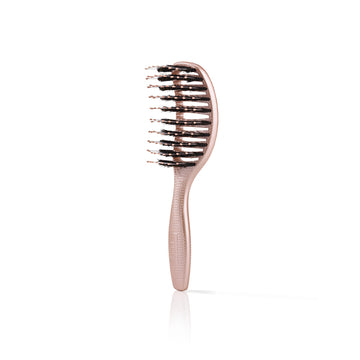
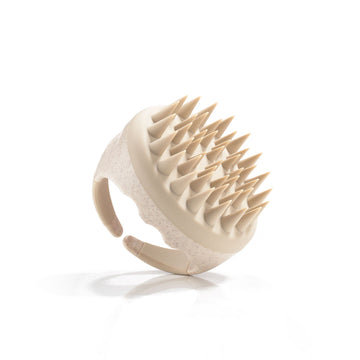
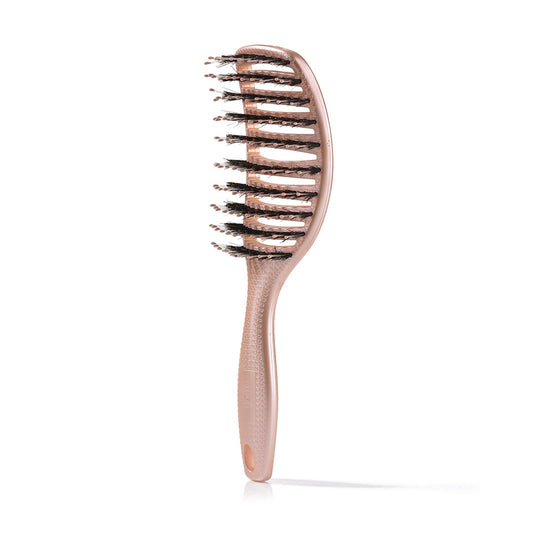
Brushing can be beneficial for frizzy hair if done correctly. Using a gentle brush, like the Curvy Brush, can help detangle hair without causing additional frizz or breakage. It's important to brush frizzy hair when it's damp and to apply a leave-in conditioner or serum to minimize friction and smooth the cuticle.
How often should I trim my hair to prevent breakage?
Regular trims are an effective way to prevent breakage by removing split ends before they can travel up the hair shaft. It's generally recommended to trim your hair every 6 to 8 weeks. This practice helps maintain the overall health and appearance of your hair, reducing the risk of breakage.
Additional tips for curly hair
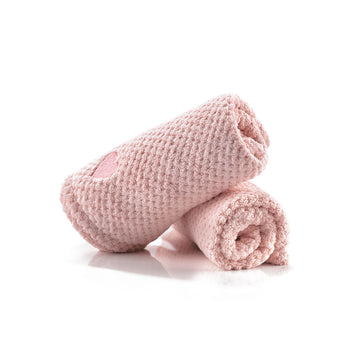
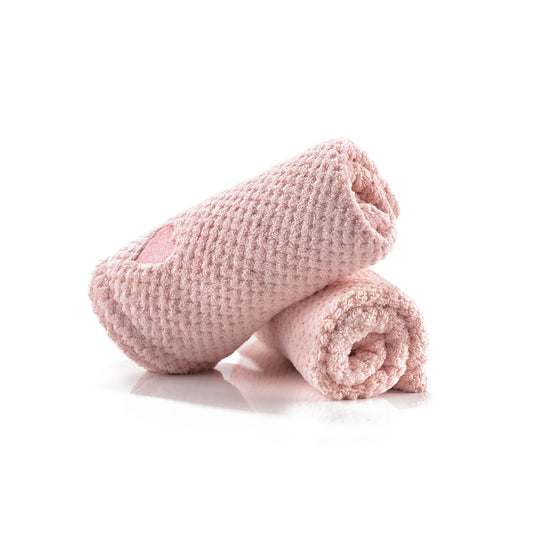
Curly hair is naturally more prone to frizz due to its structure, which makes it important to focus on moisture retention. To reduce frizz and prevent breakage, use a hydrating conditioner and consider applying a leave-in treatment. Additionally, a microfiber towel can help dry your hair gently without causing friction or damage.
For those with curly hair, maintaining moisture is key to reducing frizz and strengthening strands. Regular deep conditioning treatments can enhance moisture retention and improve hair health. By understanding the unique needs of curly hair, you can implement strategies that keep your curls defined and healthy.


