 2-5 päivän toimitus
 100 000+ tyytyväistä asiakasta
 Tyytyväisyystakuu







Understanding wet frizz: What does it look like?
Wet frizz in curly hair is characterized by a stringy, rough, and webby appearance. Unlike dry frizz, which presents itself as a halo of fuzz around the hair, wet frizz occurs when the hair is still damp. This type of frizz can make curls look undefined and tangled, even when freshly washed. The texture feels rough and lacks the smoothness that well-moisturized curls possess.
Core causes of wet frizz
Water absorption and hair swelling
Curly hair tends to absorb water more readily, leading to swelling and lifting of the cuticle. This can cause the hair to lose its smooth surface, resulting in frizz. Prolonged exposure to water, such as sleeping with wet hair, exacerbates this effect, causing curls to appear more frizzy.
Dryness and lack of moisture
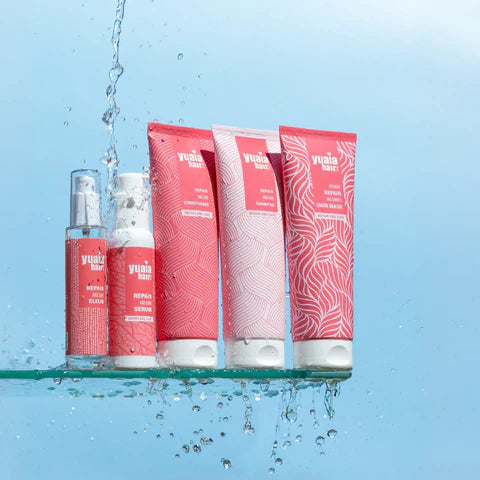
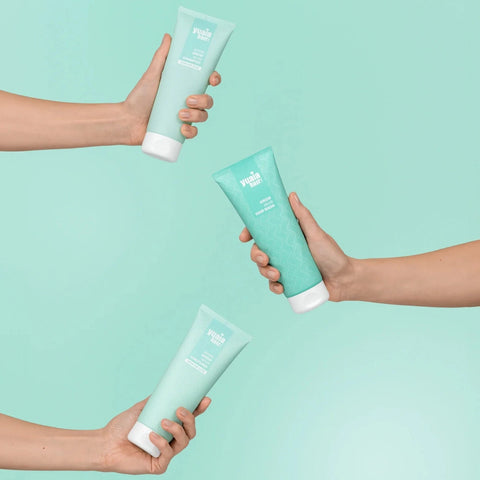
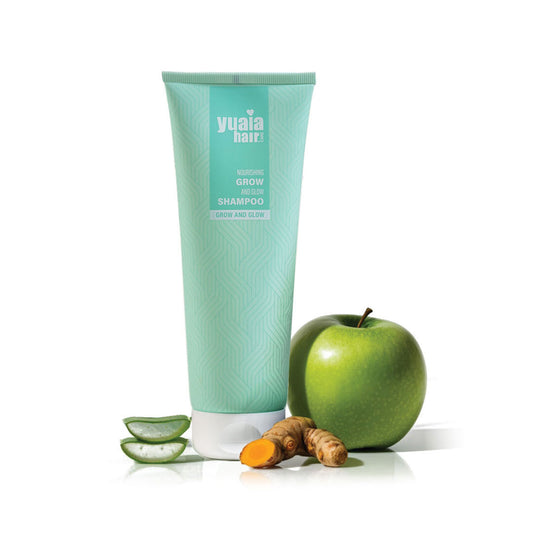
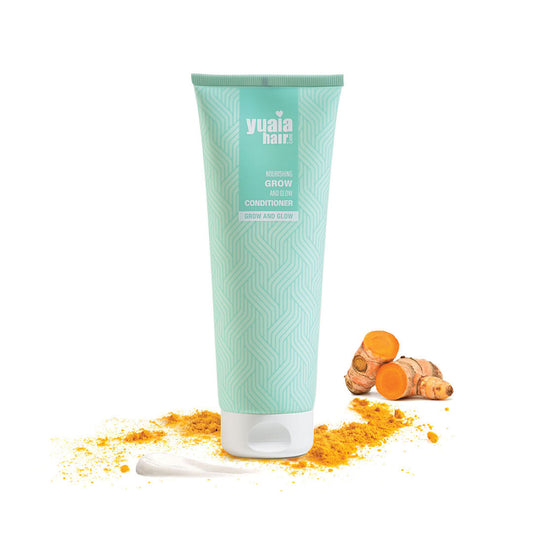
When curly hair is dry, it naturally seeks moisture from the environment, leading to frizz. To combat this, using a sulfate-free, moisturizing shampoo and conditioner is essential. Products like our Grow and Glow Shampoo help maintain moisture without stripping natural oils.
Protein–moisture imbalance
A delicate balance between protein and moisture is crucial for healthy curls. Too much protein can make hair stiff and prone to frizz, while excess moisture can leave curls limp. Identifying the right balance for your hair type is key to reducing wet frizz.
Porosity issues
Hair porosity affects how well hair absorbs and retains moisture. High porosity hair absorbs water quickly but loses it just as fast, leading to frizz. Conversely, low porosity hair struggles to absorb moisture, often resulting in a frizzy appearance. Understanding your hair's porosity can help tailor your routine to manage frizz effectively.
pH imbalance and harsh surfactants
Alkaline shampoos can raise the hair's cuticle, increasing porosity and leading to frizz. Using pH-balanced, sulfate-free products can help maintain the cuticle's integrity and reduce frizz.
Mechanical damage while wet
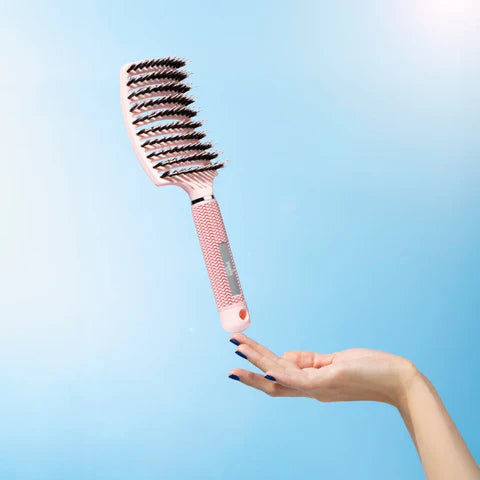
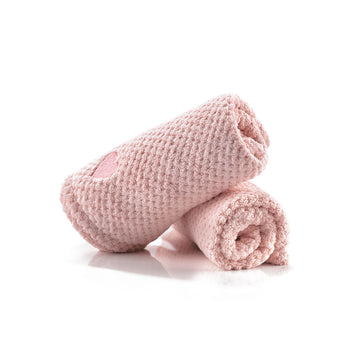
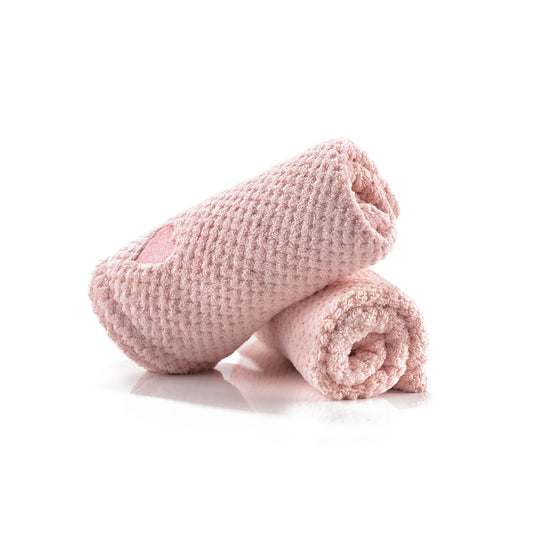
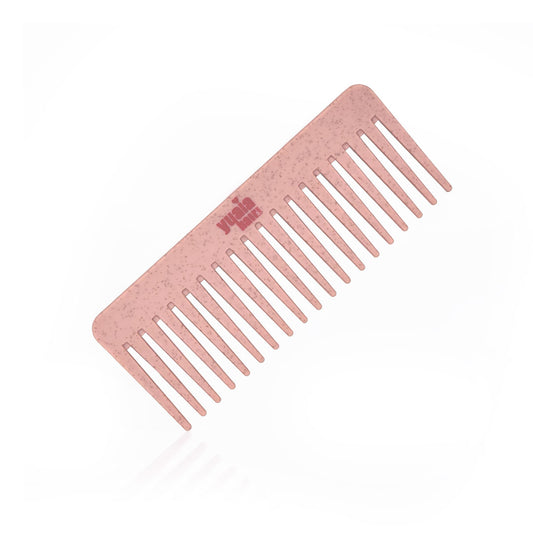
Handling wet hair roughly, such as through brushing or towel drying, can cause mechanical damage and increase frizz. It's recommended to use a microfiber towel to gently blot hair and avoid friction. For detangling, a wide-toothed comb is ideal for minimizing breakage and maintaining curl integrity.
Styling and application mistakes
Common mistakes in product application can exacerbate wet frizz. Applying products unevenly or to hair that is not sufficiently wet can lead to frizzy results. For optimal results, apply styling products to soaking-wet hair to ensure even distribution.
Environmental factors
Humidity, pollution, and hard water are environmental factors that contribute to frizz. These elements can cause the cuticle to swell and hair to frizz. Occasional clarifying treatments can help manage buildup from these external factors.
Curly hair's interaction with water can be perplexing, especially when frizz appears even while the hair is still wet. This phenomenon is largely due to the unique structure of curly hair. When exposed to water, the hair shaft swells, and the cuticle lifts, leading to a frizzy appearance. Understanding this interaction is key to managing and preventing wet frizz effectively.
Practical solutions for managing wet frizz
Routine adjustments
To combat wet frizz, it is essential to tailor your hair care routine to suit your hair's porosity and specific needs. For low porosity hair, which struggles to absorb moisture, using lightweight, hydrating products can prevent the hair from becoming overwhelmed. On the other hand, high porosity hair benefits from richer, more emollient products that help seal in moisture.
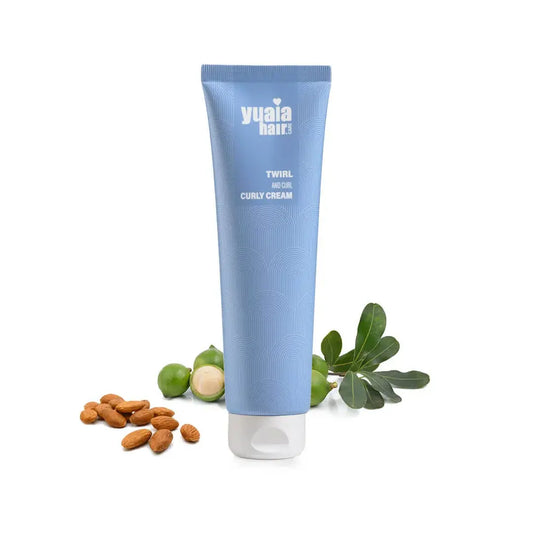
At Yuaia Haircare, we offer a variety of products to help manage frizz. Our Twirl and Curl curly cream is excellent for styling, providing the moisture and definition curls need without weighing them down. Incorporating such products into your routine can enhance your curls' natural beauty and minimize frizz.
Frequently asked questions
Is it bad if my curls are frizzy when wet but fine when dry?
Frizziness when wet but not when dry can indicate that your hair is absorbing moisture unevenly. This is not inherently bad, but it suggests that your hair might benefit from a more balanced routine. Ensuring even product application and using a leave-in conditioner can help manage this issue.
Can I fix wet frizz without protein?
Yes, wet frizz can be managed without protein, especially if your hair is sensitive to it. Focus on maintaining moisture balance by using hydrating products and avoiding harsh surfactants. Regular conditioning and the use of oils can also help in smoothing the hair cuticle.
How long will it take to see results if I change my routine?
Changes in your hair care routine can take a few weeks to show noticeable results. Consistency is key, so stick with your new regimen for at least a month to allow your hair to adjust and respond to the changes.


