Livraison en 2-4 jours
 100 000+ clients satisfaits
 Garantie de satisfaction








Tailoring your routine: Finding the right balance
Determining the best time to use hair oil involves understanding your unique hair needs and experimenting with different approaches. Some hair types benefit from a hybrid method, combining both pre- and post-shampoo oiling for comprehensive care. This dual approach can offer protection and nourishment before washing, while also providing shine and frizz control afterward.
Choosing the right oil for your hair type is crucial in achieving the desired results. Heavier oils, such as coconut or almond, are ideal for pre-shampoo treatments, especially for dry and damaged hair. They provide a protective barrier against the drying effects of shampoos. On the other hand, lightweight oils like argan or jojoba are perfect for post-shampoo application, sealing in moisture without weighing hair down.
Testing and adjustments
Every hair type is different, and what works for one person might not work for another. Testing different timings and frequencies can help you discover the best routine for your hair. Start by applying oil 30 minutes before shampooing to see how your hair responds. If your hair feels too greasy, reduce the amount or try a lighter oil. For post-shampoo oiling, apply to damp hair and adjust the quantity based on your hair's texture and thickness.
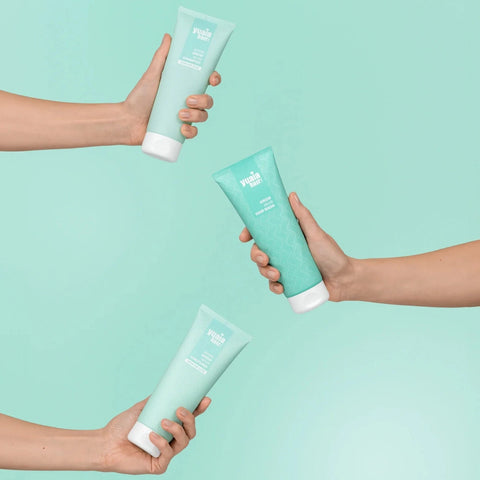
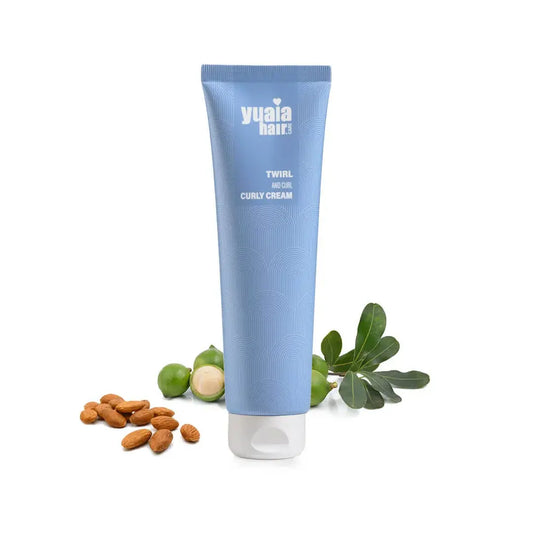
For those with curly hair, maintaining moisture and definition is essential. Consider using our Twirl and Curl curly cream after post-shampoo oiling to enhance curl formation and reduce frizz. This product is designed to work in harmony with your natural curls, providing hydration and control.
Seasonal and lifestyle considerations
Adjusting your oiling routine according to seasonal changes can enhance hair health. During winter, hair tends to be drier due to low humidity levels, making pre-shampoo oiling more beneficial. In contrast, summer might call for lighter oils post-shampoo to manage frizz and add shine without a greasy feel.
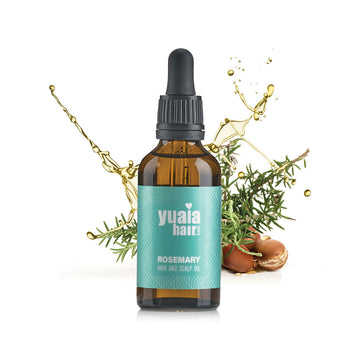
Lifestyle factors, such as frequent exercise or washing, also influence the best oiling routine. If you wash your hair often, consider using a lightweight oil post-shampoo to maintain moisture levels without causing buildup. Incorporating a rosemary hair oil can also promote scalp health and enhance hair's natural shine.
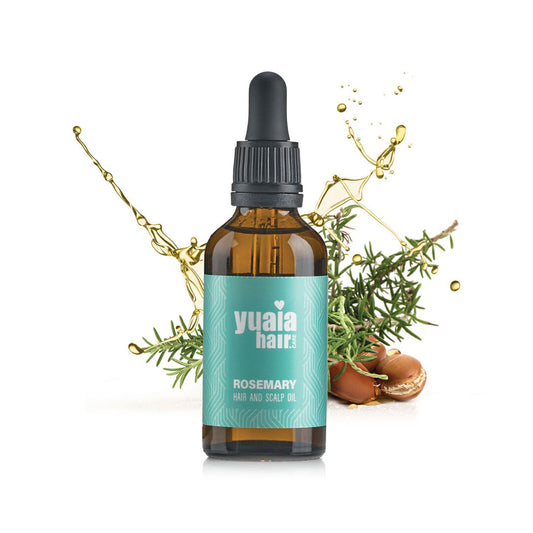
Ultimately, the best time to use hair oil depends on your specific hair type, lifestyle, and personal preferences. By exploring different methods and products, you can develop a routine that supports your hair's health and beauty.
Additional tips for effective hair oiling
While the timing of hair oil application is important, the techniques and products you use can also significantly impact the results. Here are some additional tips to enhance your hair oiling routine:
Scalp massage techniques
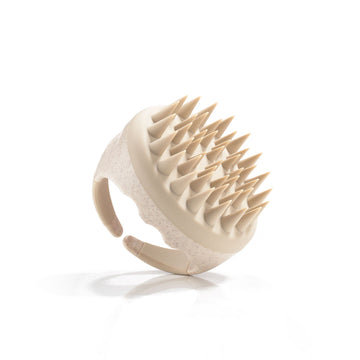
Massaging the scalp while applying hair oil can stimulate blood flow, promoting healthier hair growth. Use your fingertips to gently massage the oil into your scalp in circular motions. This not only helps distribute the oil evenly but also enhances relaxation and reduces stress, which can positively affect hair health.
Choosing the right products
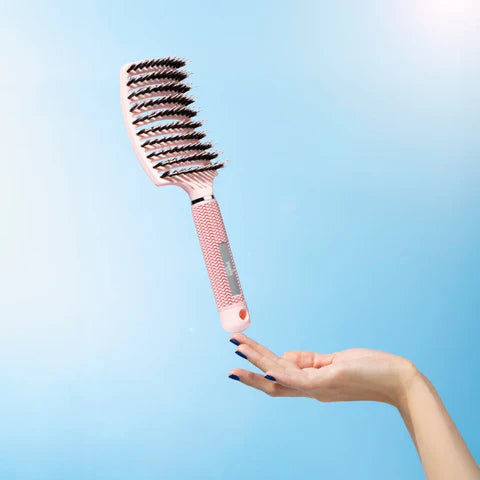
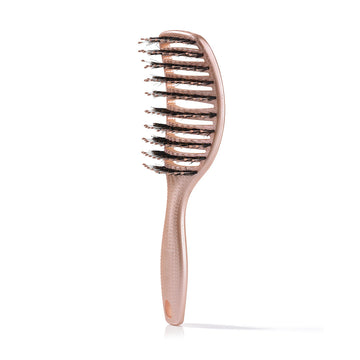
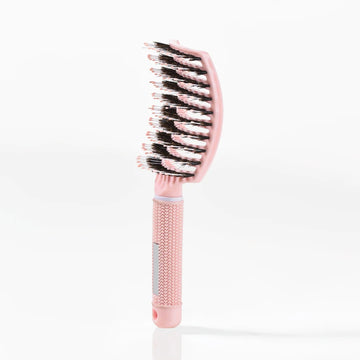
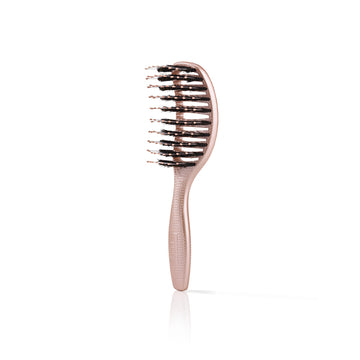
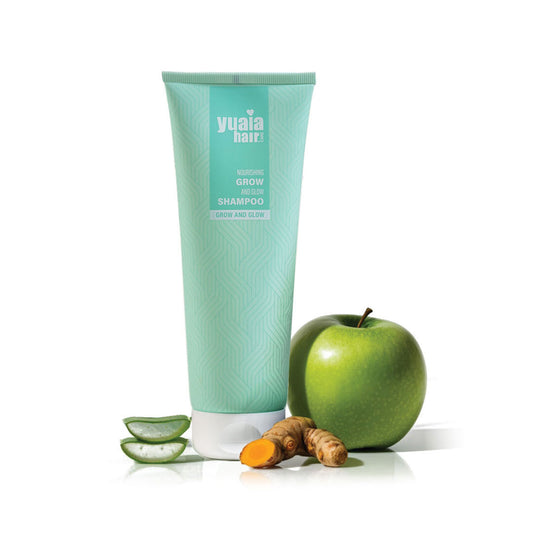
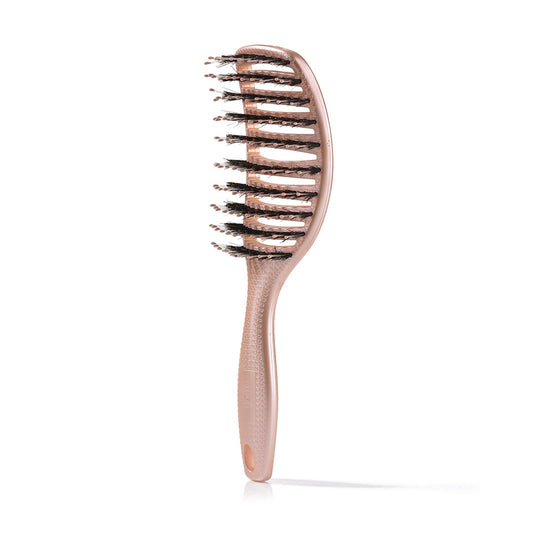
Selecting the right hair oil and complementary products is essential for maximizing the benefits of your routine. For instance, using a sulfate-free shampoo like our Grow and Glow Shampoo can help maintain the natural oils in your hair, preventing it from becoming overly dry. Additionally, incorporating a brush with boar bristles, such as our Curvy Brush, can help distribute the oil from the roots to the ends, ensuring even coverage and enhancing shine.
Adapting to seasonal changes
Your hair's needs may change with the seasons. During colder months, the air tends to be drier, which can lead to increased hair dryness and frizz. In such cases, pre-shampoo oiling can provide the extra nourishment needed. Conversely, in warmer months, lightweight post-shampoo oils can help manage humidity-induced frizz and add a natural shine without weighing hair down.
Frequently asked questions
How often should I use hair oil?
The frequency of hair oil application depends on your hair type and the oiling method. For those with dry or damaged hair, pre-shampoo oiling 2-3 times a week can be beneficial. On the other hand, post-shampoo oiling can be done more frequently, even daily, if using a lightweight oil.
Can oiling cause greasy hair?
Oiling can lead to greasy hair if applied excessively or if the wrong type of oil is used. To prevent this, apply a small amount of oil and focus on the mid-lengths to ends of your hair. Choosing a lightweight oil for post-shampoo application can also help avoid a greasy appearance.
Is it better to oil hair overnight?
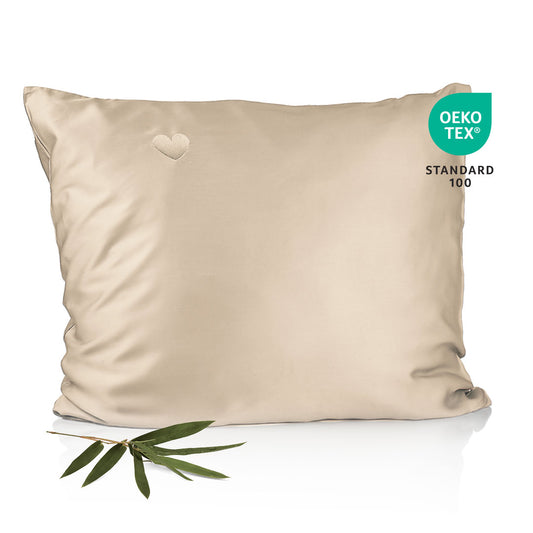
Oiling hair overnight can provide deep nourishment, especially for dry or damaged hair. However, it may not be suitable for those with oily scalps, as it can lead to buildup. If you choose to oil overnight, consider using a breathable bamboo pillowcase to protect your bedding and enhance comfort.