 Livraison en 2-4 jours
 100 000+ clients satisfaits
 Garantie de satisfaction











How to reduce oil production on scalp: Discover effective natural solutions

par Nanna Bundgaard | 13. January 2026 | Temps de lecture: 6 minutes
En savoir plus sur l'auteurDealing with an oily scalp can be a frustrating experience, often leaving hair looking flat and greasy despite regular washing. This common issue not only affects the appearance of your hair but can also lead to scalp problems if not managed effectively. Understanding how to naturally balance oil production is key to maintaining healthy hair and scalp without resorting to harsh chemicals.
What causes excess oil production on the scalp?
Excessive oil production on the scalp is often the result of overactive sebaceous glands, which can be triggered by various factors. Common causes include:
- Overwashing: Frequent washing can strip the scalp of its natural oils, prompting it to produce more oil as compensation.
- Hormonal Imbalances: Stress and hormonal changes can increase sebum production, leading to an oily scalp.
- Diet and Lifestyle: Poor dietary choices and lack of hydration can exacerbate oiliness.
Addressing these underlying causes through gentle and natural methods can help reduce sebum production and improve scalp health.
Why is balancing sebum important?
Maintaining a balanced level of sebum on the scalp is essential for healthy hair. Sebum, the natural oil produced by the scalp, plays a vital role in keeping hair moisturized and protected. However, when produced in excess, it can lead to greasy hair and scalp issues like dandruff and clogged follicles. Balancing oil production naturally ensures that your hair remains vibrant and your scalp healthy.
How to naturally reduce oil production
To effectively manage an oily scalp, it's important to adopt a routine that focuses on natural solutions. Here are some strategies to consider:
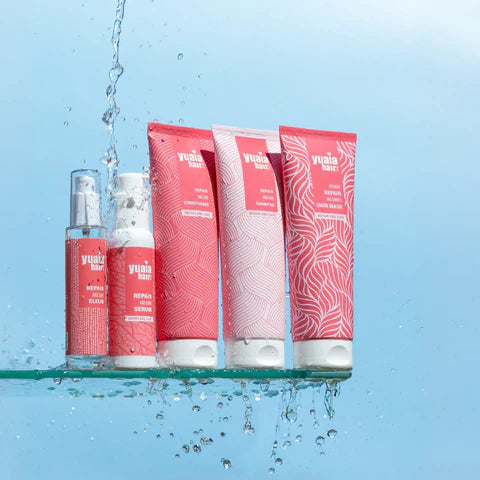
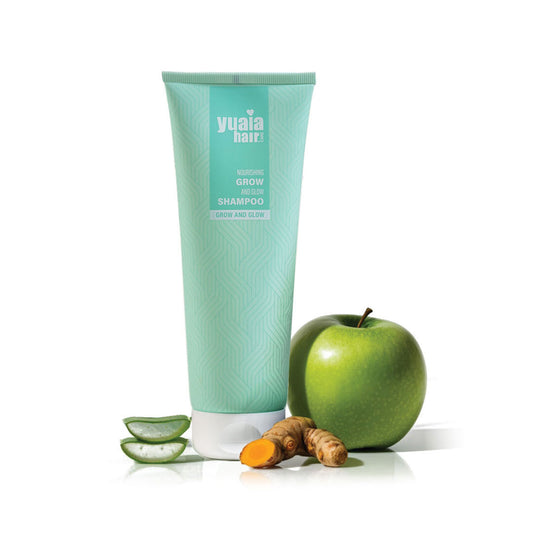
- Use sulfate-free shampoos: Opt for a gentle, sulfate-free shampoo like our Grow and Glow Shampoo to cleanse without stripping essential oils.
- Adjust washing frequency: Wash your hair 2-3 times a week to prevent overwashing, which can lead to increased oil production.
- Incorporate natural remedies: Consider apple cider vinegar rinses to balance scalp pH and clear residue.
By integrating these practices into your hair care routine, you can effectively reduce oil production and enjoy healthier, more manageable hair.
Natural remedies for balancing sebum
Balancing sebum production naturally is a key step in managing an oily scalp. By incorporating specific natural remedies, you can help maintain a healthy scalp environment and reduce excess oiliness.
Apple cider vinegar rinses
Apple cider vinegar (ACV) is a popular natural remedy known for its ability to balance scalp pH and remove product buildup. To create an ACV rinse, mix one part apple cider vinegar with two parts water. After shampooing, pour the mixture over your scalp, massage gently, and rinse thoroughly. This can help in clarifying your scalp and reducing oil production.
Essential oils and ingredients
Incorporating essential oils into your hair care routine can offer antibacterial and soothing benefits. Tea tree oil, known for its antibacterial properties, can help cleanse the scalp and reduce oiliness. Aloe vera, with its soothing and moisturizing qualities, can calm irritated scalps. Witch hazel, an astringent, can help tighten pores and manage oil production.
Brushing and exfoliation techniques
Proper brushing and exfoliation techniques can also play a significant role in managing oil production on the scalp.
Boar bristle brushes
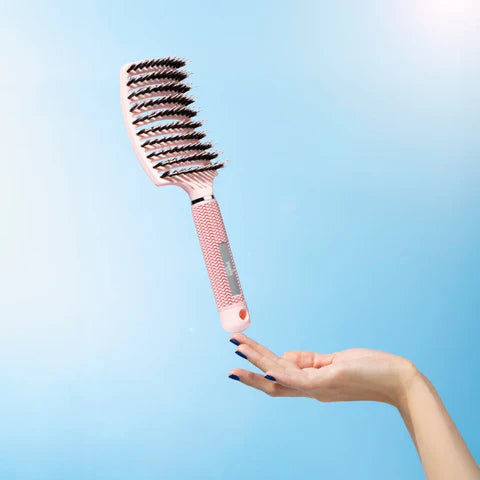
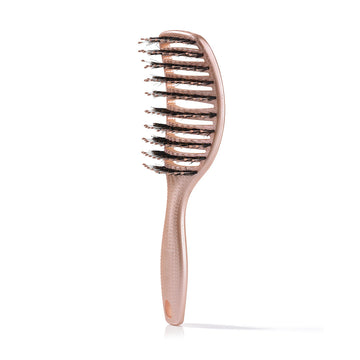
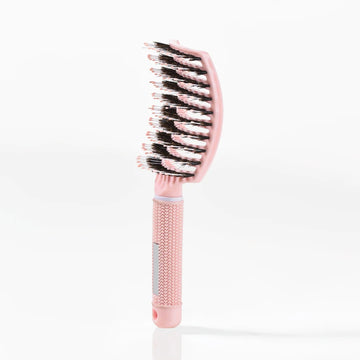
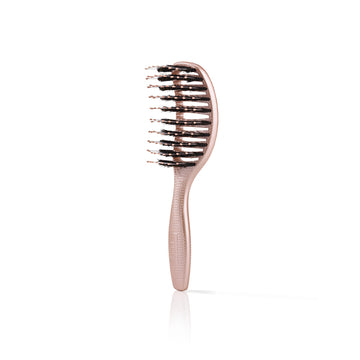
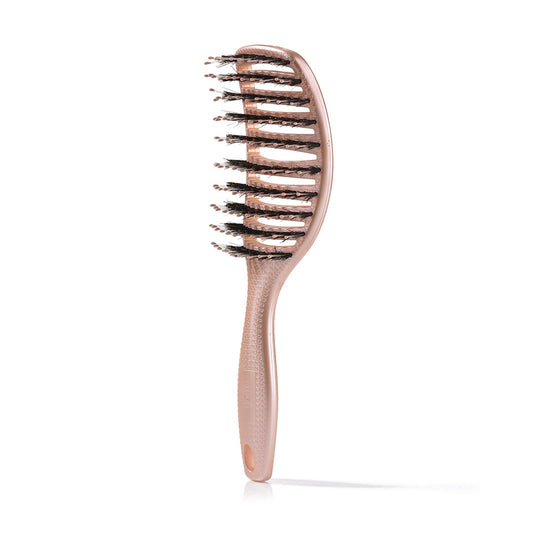
Using a boar bristle brush, such as our Curvy Brush, can help distribute sebum evenly from the scalp through the hair. This not only reduces the appearance of greasiness at the roots but also conditions the hair naturally, giving it a healthy shine.
Scalp exfoliation
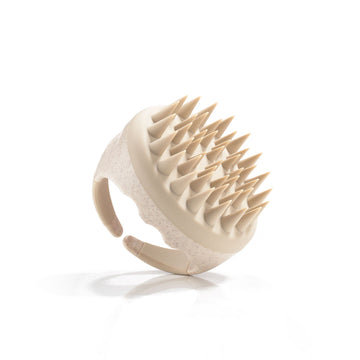
Exfoliating the scalp can help remove dead skin cells and unclog pores, promoting better circulation and a healthier scalp environment. You can use a gentle scrub or a scalp brush to exfoliate once a week, ensuring not to irritate the scalp with excessive force.
Quick fixes for immediate relief
For those times when you need a quick solution to combat oiliness, dry shampoo can be a lifesaver. It absorbs excess oil at the roots, refreshing hair between washes. However, it's important to avoid overuse, as this can lead to product buildup and clogged follicles.
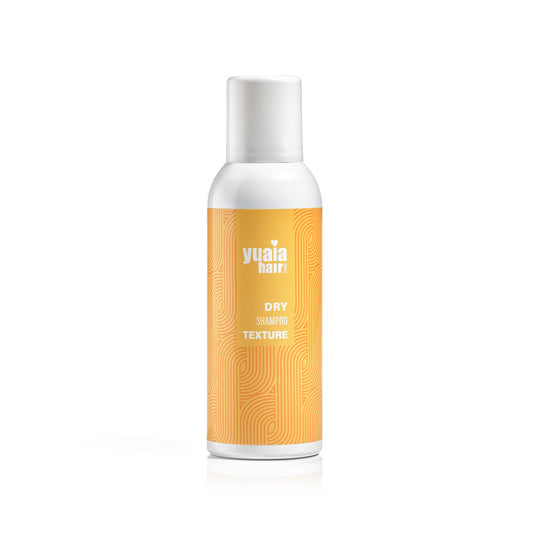
By integrating these natural remedies and techniques into your hair care routine, you can effectively manage oil production on the scalp, leading to healthier hair and a more balanced scalp environment.
Get a 10% discount code sent to you
Receive the best tips and tricks for your hair from Lotte and Nanna 🥰
Exploring additional strategies
While adjusting washing routines and natural remedies are effective ways to manage an oily scalp, there are additional strategies that can further support a balanced scalp environment. These methods focus on lifestyle changes and mindful product usage to enhance scalp health.
Mindful product usage
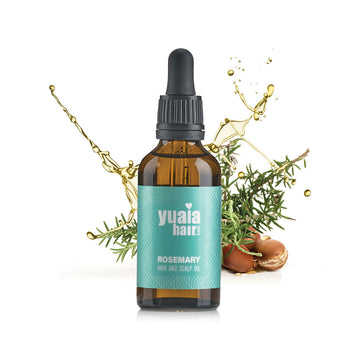
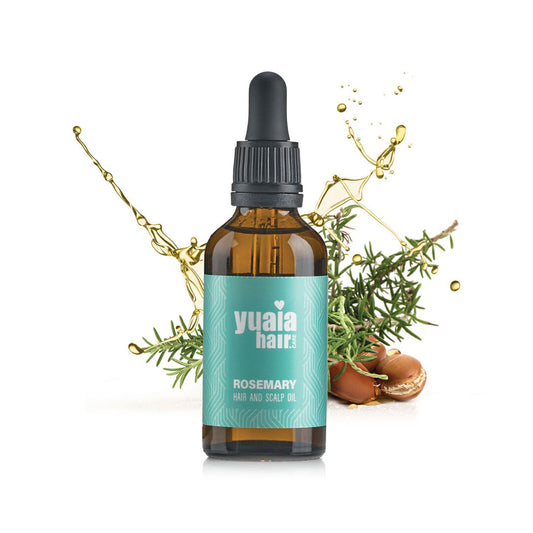
Choosing the right products is essential in managing oil production. Opt for lightweight conditioners and apply them only to the ends of your hair to avoid weighing down the roots. If you use oils for conditioning, select lightweight options like rosemary oil, which can provide nourishment without increasing greasiness. At Yuaia Haircare, we offer rosemary oil that is perfect for this purpose.
Regularly changing pillowcases
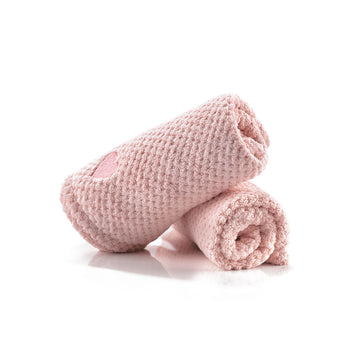
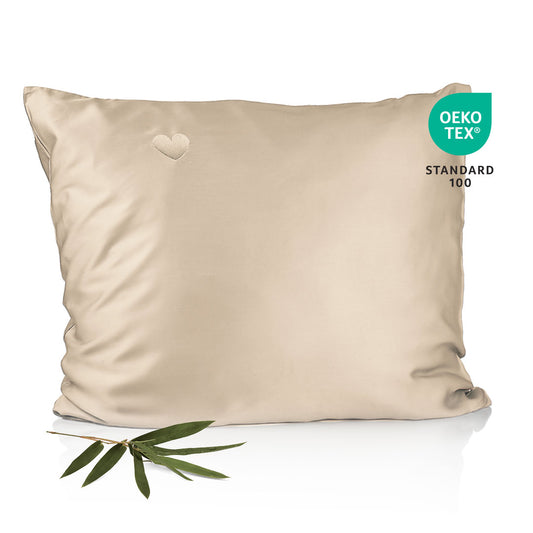
Your pillowcase can accumulate oils and dirt from your hair and skin, which can transfer back to your scalp. Regularly changing your pillowcase, ideally every few days, can help minimize the transfer of oils. Consider using bamboo pillowcases, as they are gentle on the hair and help reduce friction.
Heat styling considerations
Excessive heat styling can stimulate the scalp's oil glands, leading to increased oil production. Try to limit the use of heat styling tools and always apply a heat protectant beforehand to shield your hair from damage. Our Style and Shine Heat Protection spray is an excellent choice to protect your hair while styling.
Frequently asked questions
What causes excess oil production on the scalp?
Excess oil production can be caused by factors such as overwashing, hormonal imbalances, and stress. These factors can trigger the sebaceous glands to produce more oil than necessary.
How can I prevent my scalp from getting oily so quickly?
To prevent your scalp from becoming oily quickly, adjust your washing routine, use sulfate-free shampoos, and incorporate natural remedies like apple cider vinegar rinses. Additionally, avoid touching your hair frequently, as this can transfer oils from your hands to your hair.
Is it okay to use oils on an oily scalp?
Yes, it is okay to use oils on an oily scalp, but choose lightweight oils and apply them sparingly. Oils like rosemary oil can condition the hair without contributing to greasiness, making them suitable for use on oily scalps.
Recevez un code de réduction de 10 % par courrier
Recevez les meilleurs conseils et astuces pour vos cheveux de la part de Lotte et Nanna 🥰


