Livraison en 2-4 jours
 100 000+ clients satisfaits
 Garantie de satisfaction











Effective DIY remedies for scalp buildup
Addressing scalp buildup naturally can be both simple and effective with the right DIY remedies. These methods utilize common household ingredients to gently cleanse the scalp, promoting improved hair health and shine.
Apple cider vinegar rinse
An apple cider vinegar (ACV) rinse is a popular choice for balancing the scalp's pH and breaking down residue. To prepare, mix equal parts ACV and water. After shampooing, pour the mixture over your scalp, ensuring it covers all areas. Let it sit for a few minutes, then rinse thoroughly with water. This method not only helps remove buildup but also adds a natural shine to your hair.
Baking soda paste
Baking soda is known for its exfoliating properties, making it an excellent choice for absorbing excess oil and removing dead skin cells. Create a paste by mixing a tablespoon of baking soda with water until it reaches a spreadable consistency. Apply the paste to your damp scalp, gently massaging in circular motions. Leave it on for a few minutes before rinsing it out thoroughly. This treatment can effectively cleanse your scalp without stripping it of natural oils.
Tea tree oil treatment
Tea tree oil is celebrated for its antimicrobial benefits, which can help reduce flaking and soothe an itchy scalp. To use, dilute a few drops of tea tree oil in a carrier oil like coconut or olive oil. Massage the mixture into your scalp, allowing it to sit for 15-30 minutes before washing it out with a gentle shampoo. This treatment can be particularly beneficial for those dealing with dandruff or an irritated scalp.
DIY scalp scrubs
Creating a DIY scalp scrub can provide gentle exfoliation while improving circulation. Combine sugar or salt with a nourishing oil, such as coconut or olive oil, to form a scrub. Gently massage the mixture onto your scalp, focusing on areas prone to buildup. Rinse thoroughly and follow with your regular shampoo routine. Regular use of scalp scrubs can help maintain a clean and healthy scalp.
Preventive measures for maintaining a clean scalp
Once you've addressed scalp buildup, it's essential to implement preventive measures to maintain a clean and healthy scalp. Here are some effective strategies:
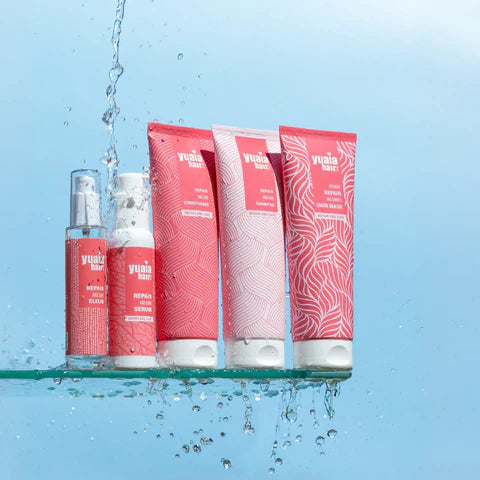
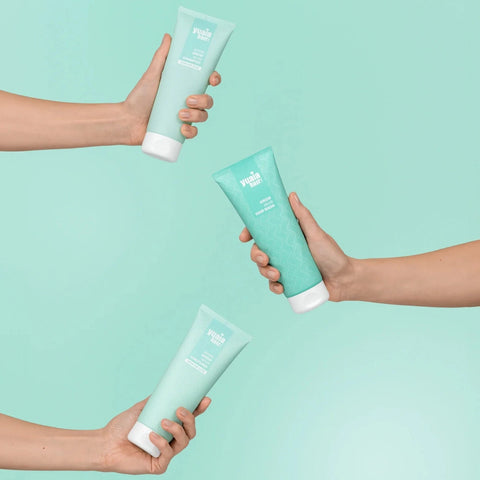
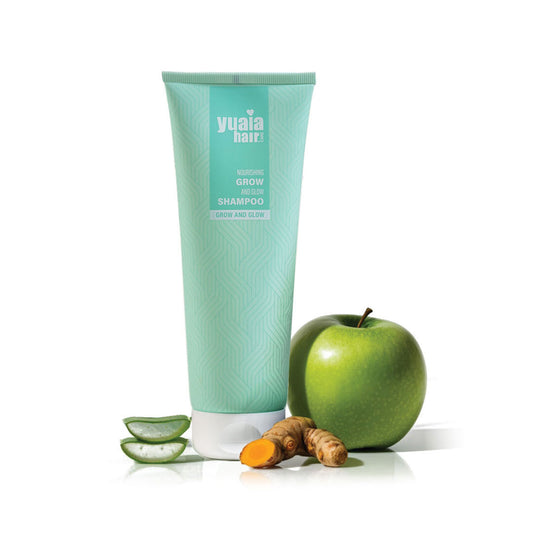
- Sulfate and silicone-free products: Using sulfate and silicone-free products, like our Grow and Glow shampoo, can help prevent residue buildup. These products are designed to cleanse the scalp without leaving behind unwanted chemicals.
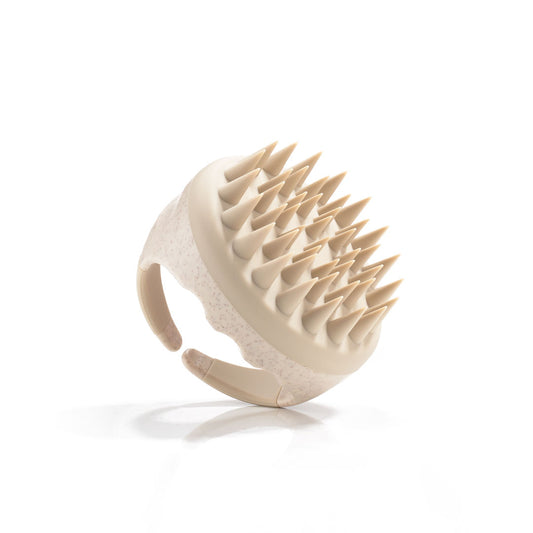
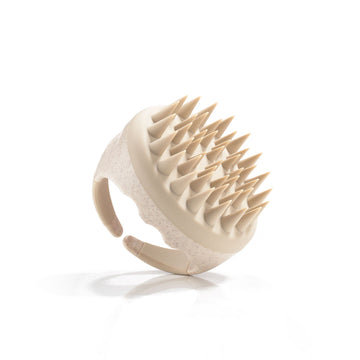
- Regular exfoliation routine: Incorporate exfoliation into your hair care routine 1-2 times a week. This practice helps remove dead skin cells and excess oil, keeping your scalp fresh and clean.
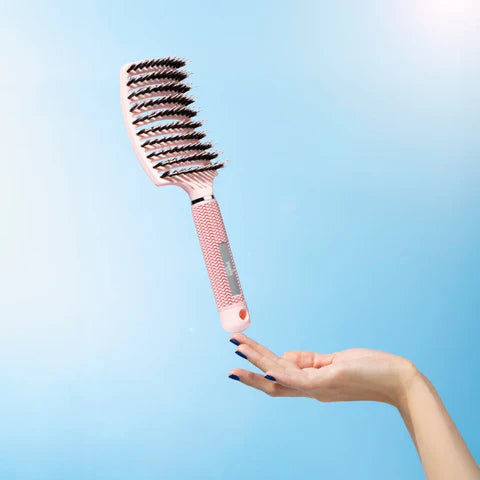
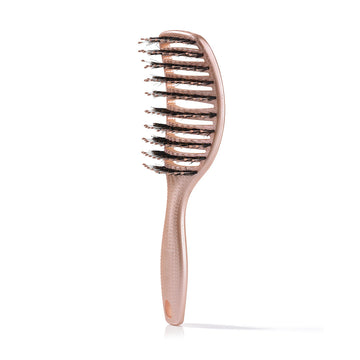
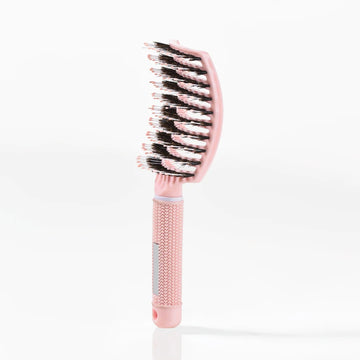
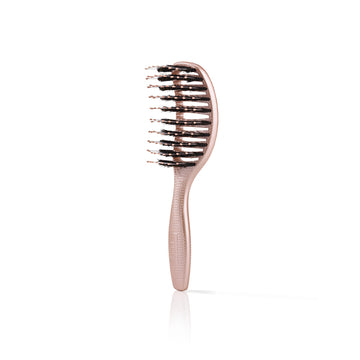
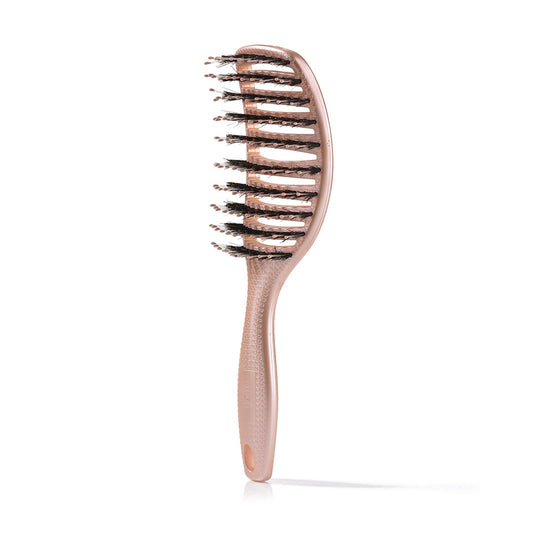
- Proper brushing techniques: Use a boar bristle brush to distribute natural oils evenly across your scalp. Our Curvy Brush is ideal for this, as it helps minimize buildup and promotes healthy hair growth.
By integrating these DIY remedies and preventive measures into your routine, you can effectively manage scalp buildup and maintain a healthy, vibrant head of hair.
Additional considerations for natural scalp care
While DIY remedies offer effective solutions for removing buildup, there are additional considerations to enhance your natural scalp care routine. Paying attention to your washing frequency, the type of water you use, and even your choice of pillowcase can all play a role in maintaining a healthy scalp.
Washing frequency
The frequency of washing your hair can impact scalp health. Over-washing can strip the scalp of its natural oils, leading to dryness and irritation, while infrequent washing might contribute to buildup. It's important to find a balance that suits your hair type and lifestyle. For example, those with oily hair may need to wash more frequently, while those with dry hair can wash less often to retain moisture.
Water quality
The quality of water you use can also affect your scalp. Hard water, which is high in minerals, can contribute to product residue and scalp buildup. Consider using a water softener or a shower filter to reduce mineral content, making it easier to rinse out products and maintain a clean scalp.
Bamboo pillowcases
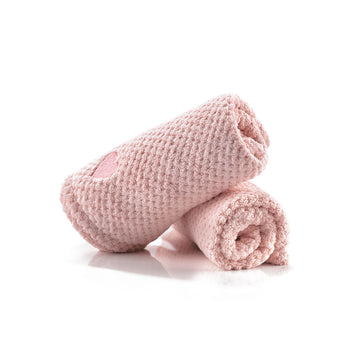
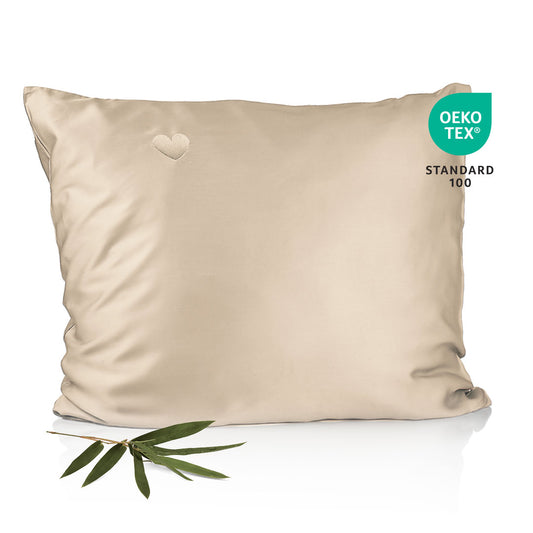
Switching to a bamboo pillowcase can benefit your scalp and hair. Bamboo is gentle on hair, reducing friction that can lead to breakage and frizz. It also absorbs less moisture than cotton, helping to maintain the natural oils on your scalp and hair.
Frequently asked questions
How often should you detox your scalp?
The frequency of scalp detoxification depends on your hair type and lifestyle. Generally, detoxing once a month is sufficient, but those with oily hair or frequent product use may benefit from detoxing every two weeks.
Can natural remedies work for all hair types?
Yes, natural remedies can be adapted for different hair types. For example, those with oily hair might benefit from more frequent use of baking soda, while those with dry hair should focus on moisturizing treatments like tea tree oil diluted in a nourishing carrier oil.
What are the signs of scalp buildup?
Common signs of scalp buildup include itchiness, flakes, a greasy feeling, and dull-looking hair. If you notice these symptoms, it may be time for a scalp detox.
Are there any risks with DIY scalp treatments?
DIY scalp treatments are generally safe, but it's important to avoid over-exfoliation and ensure proper dilution of potent ingredients like essential oils to prevent irritation.
How to incorporate a natural hair care routine?
Integrating natural remedies into your hair care routine can be simple. Start by using natural cleansers like apple cider vinegar rinses and baking soda pastes, and choose sulfate and silicone-free products to maintain a healthy scalp. Regular exfoliation and proper brushing techniques can also support scalp health.