 Livraison en 2-4 jours
 100 000+ clients satisfaits
 Garantie de satisfaction








Sealing oils for hair: Enhance moisture retention and shine

par Nanna Bundgaard | 03. February 2026 | Temps de lecture: 6 minutes
En savoir plus sur l'auteurIn the quest for luscious, vibrant hair, sealing oils have emerged as a transformative addition to hair care routines. These oils are particularly beneficial for individuals grappling with moisture retention and lackluster locks. By creating a protective barrier, sealing oils help maintain hydration, making them an essential component for those seeking to enhance shine and combat dryness.
What challenges do sealing oils address?
Many people face common hair issues such as dryness, frizz, and a lack of shine. These problems can be exacerbated by environmental stressors and inadequate hair care practices. Sealing oils offer a solution by locking in moisture, thus preventing the hair from becoming dry and brittle. This is especially important for those with curly or textured hair, which naturally tends to be drier and more prone to frizz.
Why are sealing oils important in hair care?
Sealing oils play a critical role in hair care routines by serving as a final step after moisturizing treatments. Unlike penetrating oils, which are absorbed into the hair shaft to provide internal nourishment, sealing oils remain on the surface. This creates a barrier that locks in moisture and protects the hair from external elements. For individuals with high-porosity hair, which loses moisture quickly, sealing oils are particularly beneficial.
- Enhanced moisture retention: Sealing oils help maintain the moisture levels in your hair, preventing it from becoming dry and brittle.
- Improved shine: By smoothing the hair cuticle, these oils enhance the natural shine of your hair.
- Reduced frizz: Sealing oils help tame frizz by keeping moisture locked in and external humidity out.
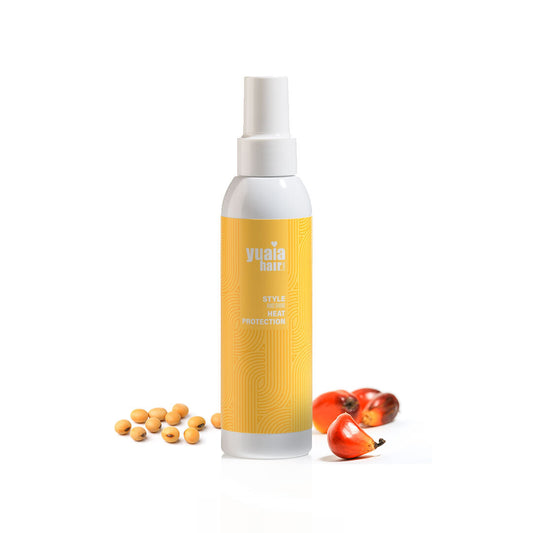
Incorporating sealing oils into your hair care routine can make a significant difference in the overall health and appearance of your hair. For those who frequently style their hair with heat, it’s also important to use a heat protectant spray to prevent damage and maintain your hair's integrity.
Benefits of sealing oils for hair
Sealing oils offer a multitude of benefits that enhance hair health, making them a valuable addition to any hair care routine. These oils are particularly effective in improving shine and smoothness, providing a glossy finish that many seek. By smoothing the hair cuticle, sealing oils reduce frizz and create a sleek appearance.
One of the primary advantages of sealing oils is their ability to protect hair from environmental stressors. These oils form a barrier that shields hair from harmful UV rays, pollution, and humidity, all of which can contribute to dryness and damage. This protective layer is especially beneficial for those living in urban environments or areas with high humidity.
Furthermore, sealing oils enhance manageability and reduce breakage. By adding a layer of protection, these oils help strengthen hair, making it less prone to breakage during styling. This results in easier styling and healthier hair over time.
Choosing the right sealing oil for your hair type
Selecting the appropriate sealing oil involves understanding your hair's porosity. High porosity hair, which absorbs moisture quickly but loses it just as fast, benefits from heavier oils like castor oil. These oils provide the necessary weight to lock in moisture effectively.
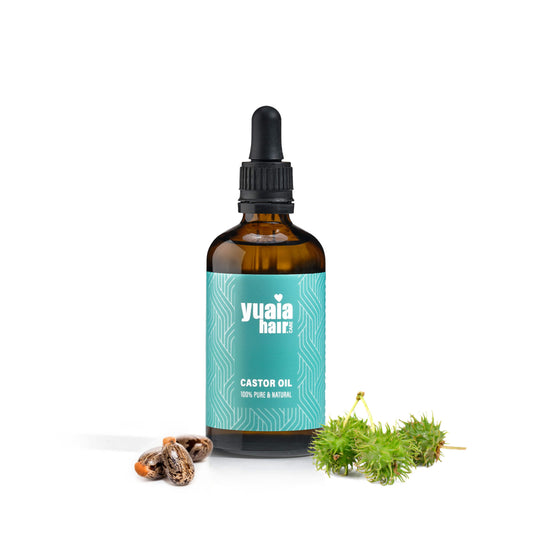
In contrast, low porosity hair, which has a tighter cuticle layer, requires lighter oils to avoid buildup. Jojoba oil is an excellent choice for this hair type, as it mimics the natural oils produced by the scalp and is easily absorbed without weighing the hair down.
Popular sealing oils include:
- Castor Oil: Known for its thick consistency, it is ideal for very dry or damaged hair due to its moisture-locking properties.
- Jojoba Oil: A versatile oil suitable for most hair types, it closely resembles the natural oils of the scalp.
- Grapeseed Oil: Lightweight and non-greasy, perfect for fine or low-porosity hair.
Application tips for maximum benefit
To maximize the benefits of sealing oils, apply them to damp hair after moisturizing treatments. This timing ensures that the moisture is effectively locked in. Focus on the ends of the hair, which are often the driest and most prone to damage.
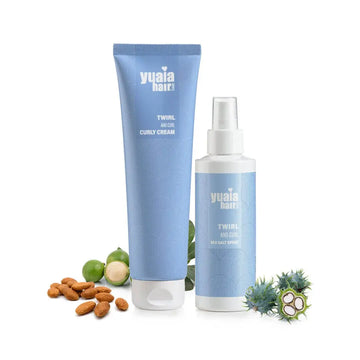
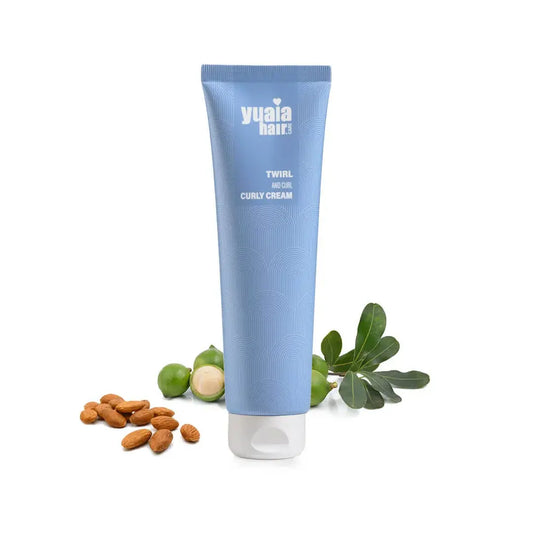
Incorporating sealing oils into your routine can be seamless. For those with curly hair, using a product like our Twirl and Curl curly cream can enhance curl definition while maintaining moisture. This cream, when used in conjunction with sealing oils, provides a comprehensive approach to curl care.
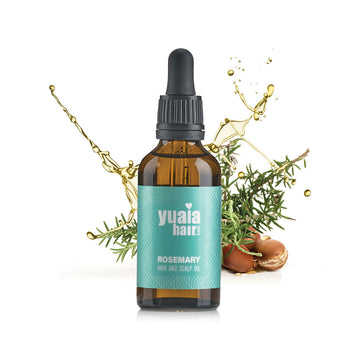
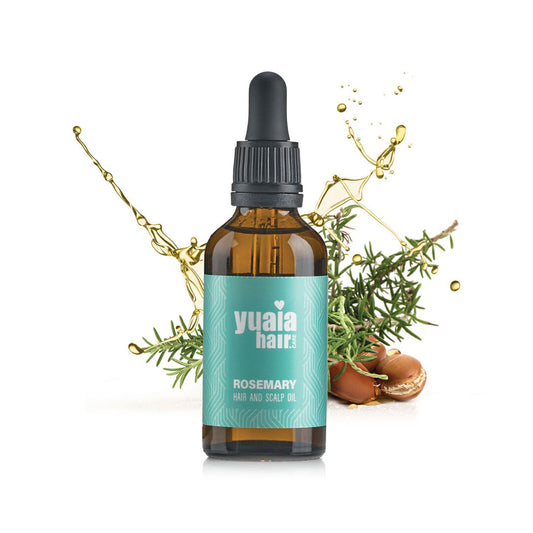
Additionally, consider the use of a rosemary hair oil for its nourishing properties. This oil can be used to provide an extra layer of protection and shine, making it a valuable addition to any hair care regimen.
By understanding the unique needs of your hair and selecting the right sealing oils, you can significantly enhance your hair's moisture retention, shine, and overall health.
Get a 10% discount code sent to you
Receive the best tips and tricks for your hair from Lotte and Nanna 🥰
Seasonal considerations for sealing oils
As the seasons change, so do the needs of your hair. Adjusting your sealing oil routine can help maintain optimal moisture levels and protect against seasonal challenges. During colder months, the air tends to be drier, which can lead to increased moisture loss from your hair. This is where sealing oils become particularly beneficial. They form a barrier that helps lock in moisture, preventing the harsh winter air from drying out your hair.
To combat the effects of winter, consider using heavier oils like castor oil, which are more effective at sealing in moisture. These oils provide an additional layer of protection against the elements, ensuring your hair remains hydrated and healthy. On the other hand, during warmer months, lighter oils such as jojoba or grapeseed may be more suitable, as they won't weigh your hair down while still providing the necessary moisture retention.
Frequently asked questions
Can sealing oils cause buildup?
Sealing oils can cause buildup if used excessively, especially on low-porosity hair that doesn't absorb oils as readily. To prevent this, apply a small amount and focus on the ends of your hair. Regularly cleansing your hair with a gentle shampoo can also help manage buildup.
Are sealing oils suitable for all hair types?
While sealing oils are beneficial for most hair types, they are particularly effective for high-porosity and curly hair, which tend to lose moisture quickly. However, those with fine or low-porosity hair should opt for lighter oils to avoid weighing down their hair.
How do sealing oils affect scalp health?
When applied correctly, sealing oils can benefit scalp health by locking in moisture. However, they should not be applied directly to the scalp, as this can lead to clogged pores and buildup. Focus on applying oils to the hair shaft and ends for best results.
Recevez un code de réduction de 10 % par courrier
Recevez les meilleurs conseils et astuces pour vos cheveux de la part de Lotte et Nanna 🥰


