 Livraison en 2-4 jours
 100 000+ clients satisfaits
 Garantie de satisfaction








Common culprits: overwashing and product chemistry
One of the most common mistakes people make is overwashing their hair. While it may seem counterintuitive, washing your hair too frequently can actually lead to more oil production. This is because frequent washing strips the scalp of its natural oils, prompting it to produce more sebum to compensate. This cycle can result in hair that appears greasy just a day after washing. To break this cycle, consider reducing the frequency of washes and opting for gentler cleansing options.
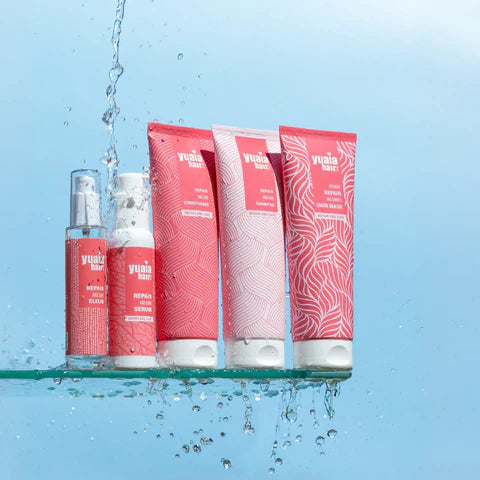
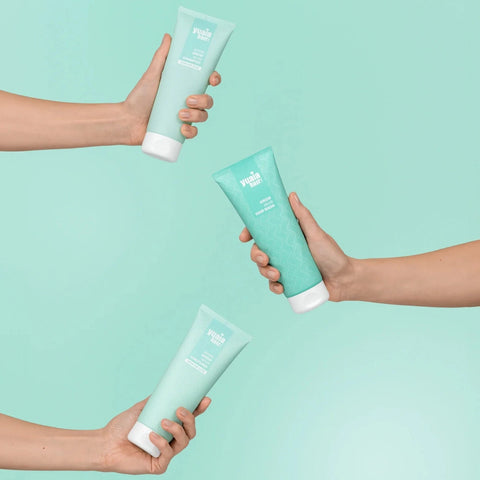
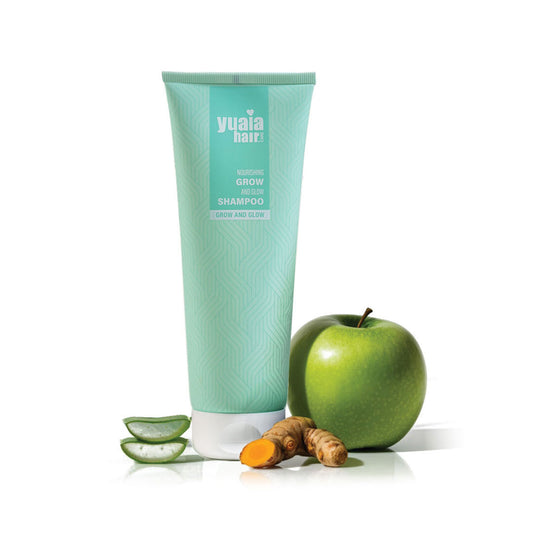
Our Grow and Glow Shampoo is a sulfate-free option that gently cleanses without stripping essential oils, helping to maintain a healthy balance.
Product selection and hair type considerations
Another factor contributing to greasy hair is the type of products used. Heavy conditioners and silicone-based products can weigh hair down, leading to buildup and a greasy appearance. This is particularly problematic for those with fine or straight hair, as these hair types are more prone to oiliness. Choosing lightweight, silicone-free formulations can help maintain volume and prevent the greasy buildup that heavier products often cause.
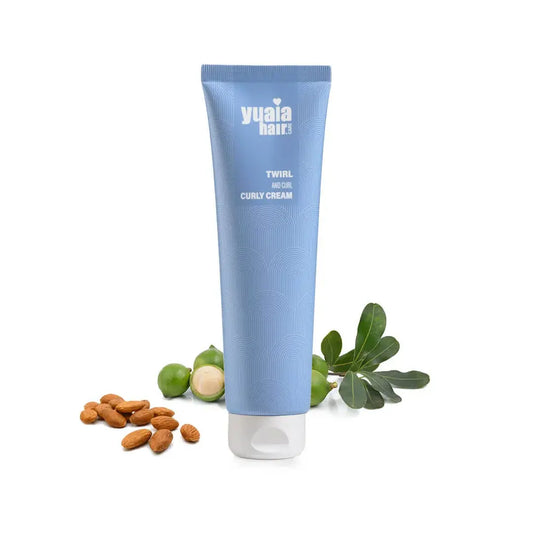
For those with curly hair, finding the right product can be even more crucial. Curly hair tends to require more moisture, but using products that are too heavy can lead to increased oiliness. The Twirl and Curl curly cream is designed to enhance curls without weighing them down, offering a balanced approach to maintaining healthy, non-greasy curls.
Hormonal and lifestyle influences
Hormonal fluctuations can also play a significant role in the production of sebum. Changes in hormone levels, such as those experienced during puberty, menstruation, or pregnancy, can lead to increased oil production, resulting in greasier hair. Additionally, lifestyle factors such as stress, sleep patterns, and diet can influence scalp health and oiliness. While a healthy diet supports hair health, managing stress and ensuring adequate sleep are also important in maintaining a balanced scalp environment.
Environmental and behavioral factors
External factors such as environmental changes and personal habits can further exacerbate greasiness. Frequent touching of the hair, using dirty pillowcases, and exposure to pollution or humidity can all contribute to an oily appearance. Simple adjustments, such as minimizing hair touching, regularly changing pillowcases, and protecting hair from environmental pollutants, can help mitigate these effects.
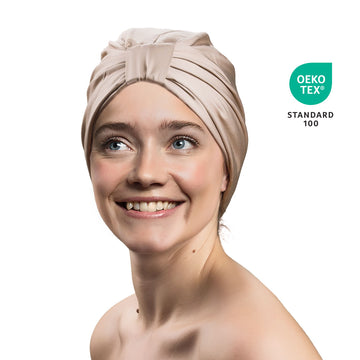
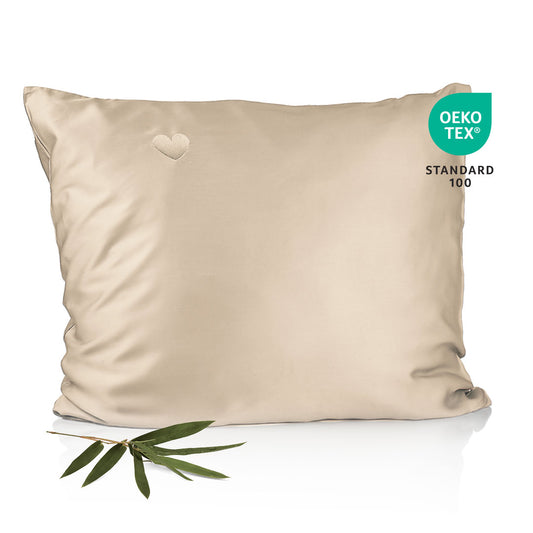
Using a bamboo pillowcase can be a beneficial change. Bamboo pillowcases are not only gentle on the hair but also help reduce oil transfer, keeping your hair feeling fresher for longer.
Effective hair care routine adjustments
To tackle greasy hair, it's important to make some adjustments to your hair care routine. Start by spacing out your washes to allow your scalp to regulate its natural oil production. Using a gentle, sulfate-free shampoo can help maintain this balance without stripping essential oils. At Yuaia Haircare, we offer a Grow and Glow Shampoo that is perfect for those looking to manage oiliness without harsh chemicals.
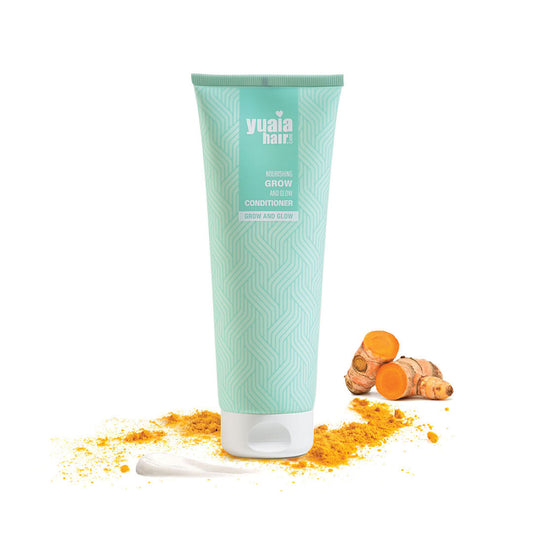
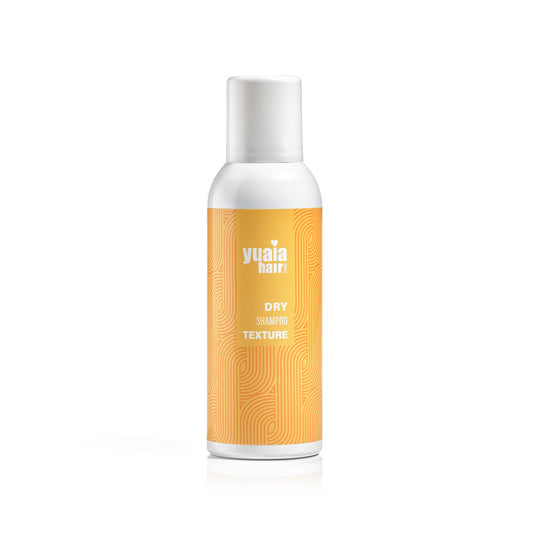
In addition, consider the use of lightweight conditioners and avoid heavy, silicone-based products that can weigh your hair down. For those with fine or straight hair, selecting products that enhance volume without adding unnecessary weight is key. If your hair tends to get greasy quickly, try using dry shampoo between washes to absorb excess oil and keep your hair looking fresh.
Frequently asked questions
Why does my hair get greasy so quickly?
Hair becomes greasy quickly due to an overproduction of sebum, the natural oil produced by the scalp. This can be triggered by factors such as overwashing, using heavy hair products, hormonal changes, and environmental influences.
How often should I wash my hair to prevent greasiness?
The ideal washing frequency varies depending on your hair type. Generally, washing every 2-3 days is recommended for most hair types. However, those with very oily hair might need to wash more frequently, while others may benefit from washing less often.
What role does diet play in hair oiliness?
While diet is important for overall health, the direct impact of diet on hair oiliness is less significant compared to other factors like product choice and washing frequency. Maintaining a balanced diet supports overall hair health, but it's not the primary factor in managing oiliness.


