 Livraison en 2-4 jours
 100 000+ clients satisfaits
 Garantie de satisfaction






Why is my hair curly when wet but frizzy when dry? Discover the causes and solutions

par Nanna Bundgaard | 15. December 2025 | Temps de lecture: 6 minutes
En savoir plus sur l'auteurFor many curly hair enthusiasts, the transformation from beautifully defined curls when wet to frizzy, undefined strands when dry is a common and frustrating experience. You step out of the shower with your curls looking vibrant and full of life, only to watch them lose their shape and turn frizzy as they dry. This transformation is a widespread issue among those with curly or wavy hair, and understanding the underlying causes can help in finding effective solutions.
Why does curly hair turn frizzy when dry?
The transition from curly to frizzy hair as it dries is largely due to moisture loss and dehydration. When hair is wet, it holds its shape because the water weighs it down. As the hair dries, moisture evaporates, causing the hair to shrink and become frizzy. This is especially true for porous hair, which is more susceptible to losing moisture quickly. The phenomenon known as hygral fatigue, where the hair shaft swells and contracts repeatedly, can also weaken the hair, leading to brittleness and frizz.
Understanding porosity imbalance
Hair porosity plays a significant role in how your curls behave when dry. High porosity hair absorbs water rapidly but loses it just as quickly, resulting in frizz and dryness. On the other hand, low porosity hair resists moisture, leading to a stringy appearance even when wet. Both conditions contribute to poor curl retention and increased frizz.
Product and pH imbalances
The products you use can also impact how your hair transitions from wet to dry. Shampoos and products that raise the hair's pH level can make it more prone to frizz. Additionally, an imbalance between protein and moisture in your hair care routine can lead to either stiff or limp hair. Finding the right balance is key to maintaining defined curls.
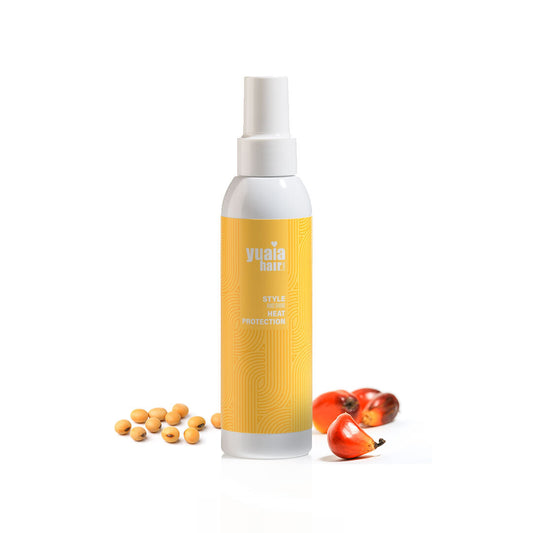
For those looking to protect their hair from heat damage, using a heat protectant spray can be beneficial. It helps shield your hair from the temporary effects of heat styling, which can exacerbate frizz issues.
Environmental and lifestyle factors affecting frizz
While moisture loss and porosity imbalances are significant contributors to frizz, environmental and lifestyle factors also play a crucial role. Understanding these influences can help you adapt your routine to minimize frizz and maintain defined curls.
Impact of humidity and dry air
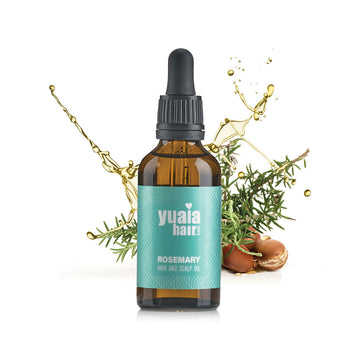
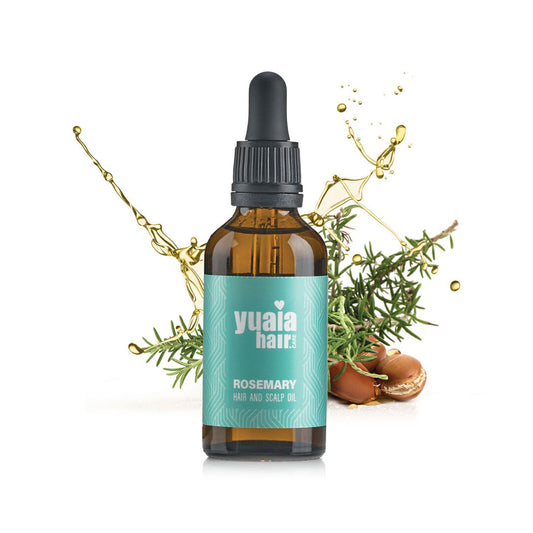
Humidity is a well-known enemy of curly hair. When the air is humid, hair tends to absorb moisture from the environment, causing the hair shaft to swell and leading to frizz. Conversely, dry air can strip hair of its natural moisture, leaving it brittle and prone to frizz. It's essential to adjust your hair care routine according to the weather conditions. Using products that help seal in moisture, such as a rosemary hair oil, can provide a protective barrier against environmental moisture fluctuations.
Styling habits affecting frizz
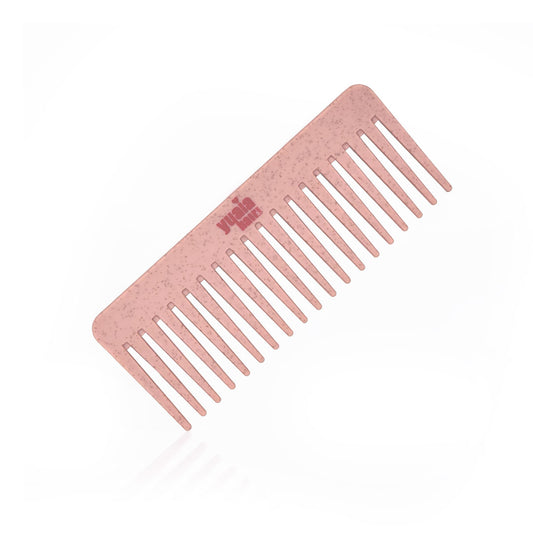
Styling habits can significantly impact how your curls behave once dry. Brushing wet hair, for instance, can disrupt the curl pattern and lead to frizziness. Instead, gently detangle wet hair using a wide-toothed comb to maintain curl definition. Additionally, the use of heat styling tools can temporarily alter the hair's bonds, which might revert to a frizzy state once the hair is exposed to moisture again.
Effective solutions for maintaining defined curls
To maintain defined curls and reduce frizz, it's important to incorporate specific strategies into your hair care routine that cater to your hair's unique needs.
Moisture retention techniques
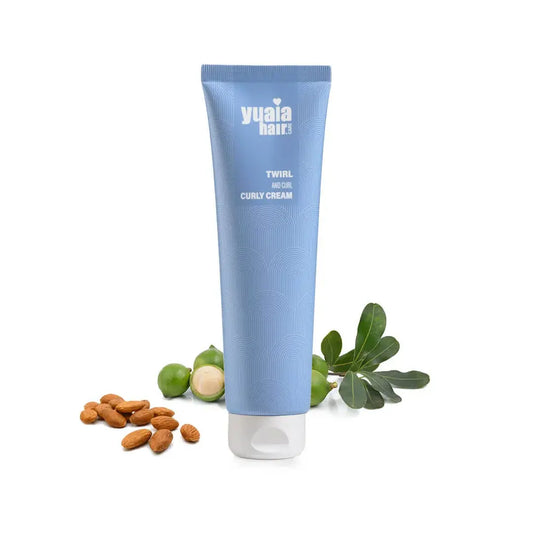
Retaining moisture in your hair is fundamental to preventing frizz. Opt for sulfate-free shampoos and conditioners that gently cleanse without stripping away natural oils. Our Twirl and Curl curly cream is designed to enhance curl definition while reducing frizz, providing a lightweight hold that keeps curls bouncy and vibrant.
Porosity-specific care
Understanding your hair's porosity can guide you in selecting the right products. For high porosity hair, use conditioners that help seal the cuticle, preventing moisture loss. On the other hand, low porosity hair benefits from lightweight, hydrating products that don't weigh it down.
By addressing both environmental and styling factors, as well as tailoring your routine to your hair's porosity, you can transform your curls from frizzy to fabulous, ensuring they remain defined and healthy.
Obtenez un code de réduction de 10% qui vous est envoyé
Recevez les meilleurs conseils et astuces pour vos cheveux de Lotte et Nanna 🥰
Additional insights on curly hair management
Understanding the nuances of curly hair care is essential for maintaining those beautiful curls from wet to dry. While moisture retention and porosity-specific care are critical, there are other factors and techniques that contribute to achieving the desired look.
Choosing the right drying techniques
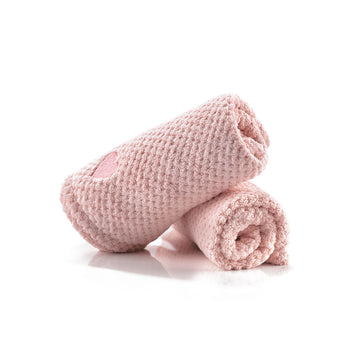
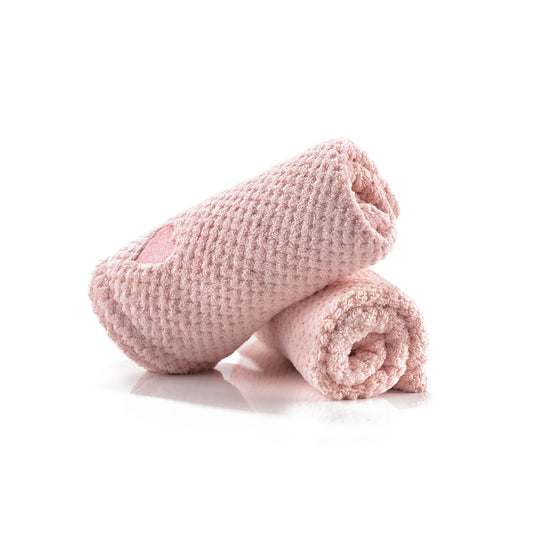
The way you dry your hair can significantly affect its texture and health. Air drying is often recommended for curly hair as it minimizes frizz and maintains natural curl patterns. However, if time is of the essence, using a diffuser attachment on a low heat setting can help preserve curls while reducing frizz. For added protection, wrapping your hair in a microfiber towel can gently absorb excess water without disrupting your curls.
Protecting curls at night
Maintaining your curls overnight can be challenging, but using a bamboo pillowcase can help reduce friction and prevent frizz. Additionally, consider loosely tying your hair in a pineapple style on top of your head to preserve curl shape and volume.
Frequently asked questions
Why does my hair look great wet but not when dry?
When hair is wet, the water adds weight and definition, making curls appear more defined and less frizzy. As hair dries, moisture evaporates, causing curls to lose their shape and become frizzy due to the lack of weight and hydration.
How can I test my hair's porosity?
An easy way to test hair porosity is the float test. Take a strand of clean hair and place it in a bowl of water. If it sinks quickly, your hair is likely high porosity. If it floats, you have low porosity hair. Hair that hovers in the middle is considered normal porosity.
What products should I avoid to prevent frizz?
To minimize frizz, avoid products containing sulfates and alcohols, as they can strip hair of its natural oils and moisture. Look for products with hydrating ingredients and those specifically made for curly hair to maintain moisture balance and curl definition.
Can brushing my hair cause frizz?
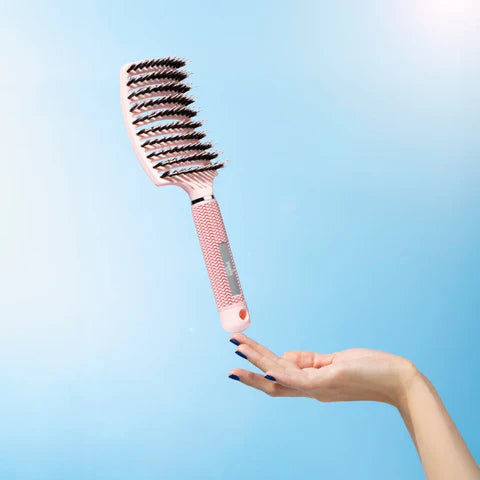
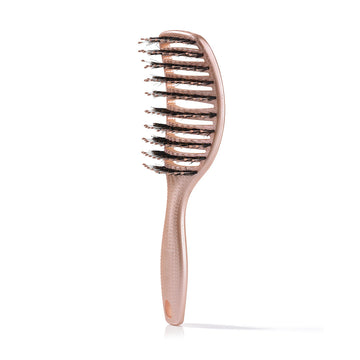
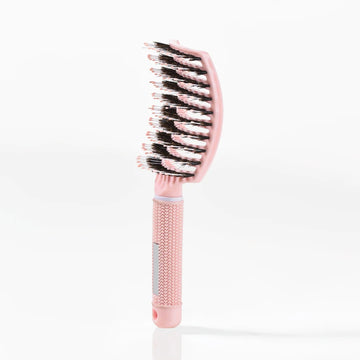
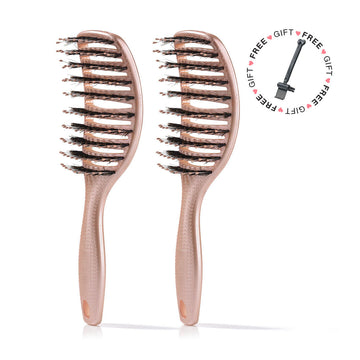
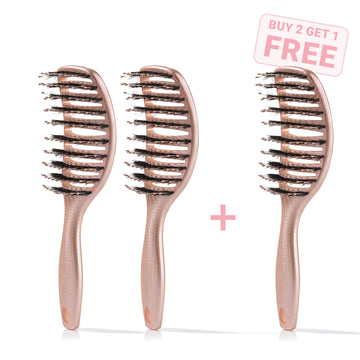
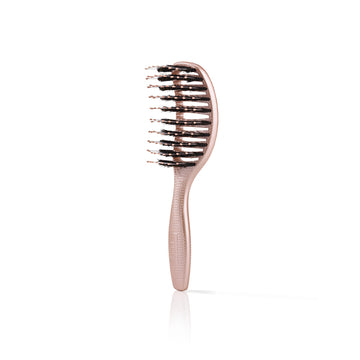
Yes, brushing curly hair when dry can disrupt the curl pattern, leading to frizz. It's best to detangle hair when it's wet using a gentle tool like a Curvy Brush to maintain curl integrity and reduce frizz.
Recevez un code de réduction de 10 % par courrier
Recevez les meilleurs conseils et astuces pour vos cheveux de la part de Lotte et Nanna 🥰


