 Consegna in 2-4 giorni
 Oltre 100.000 clienti soddisfatti
 Garanzia di soddisfazione








Can heat-damaged hair be repaired naturally?
Understanding the reality of repairing heat-damaged hair is crucial for setting the right expectations. While heat damage can cause permanent changes to the hair's structure, natural methods can significantly improve its appearance and overall health. The key lies in focusing on enhancing moisture, strength, and shine through consistent care.
It's important to distinguish between improving the condition and reversing the damage. Natural treatments can help restore moisture and elasticity, reduce frizz, and make the hair look more vibrant. However, they cannot completely reverse the structural changes caused by heat. By incorporating a thoughtful routine, you can achieve healthier-looking hair without drastic measures.
Step-by-step natural repair routine
Step 1: Cease heat usage and transition to gentle cleansing
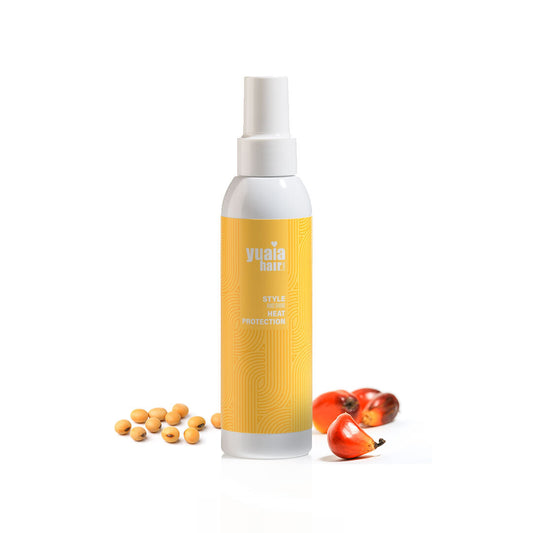
Begin by minimizing the use of heat styling tools. When styling is necessary, always apply a heat protectant spray to shield your hair from further damage. Switching to a sulfate-free shampoo ensures that your hair is cleansed gently without stripping away essential oils, which helps maintain moisture balance.
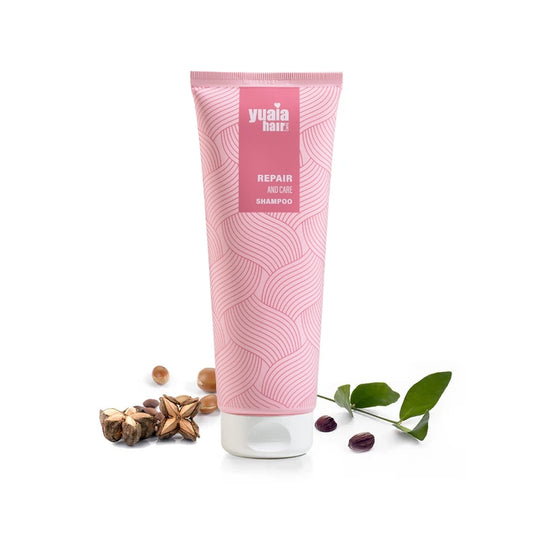
Step 2: Weekly deep moisture treatments
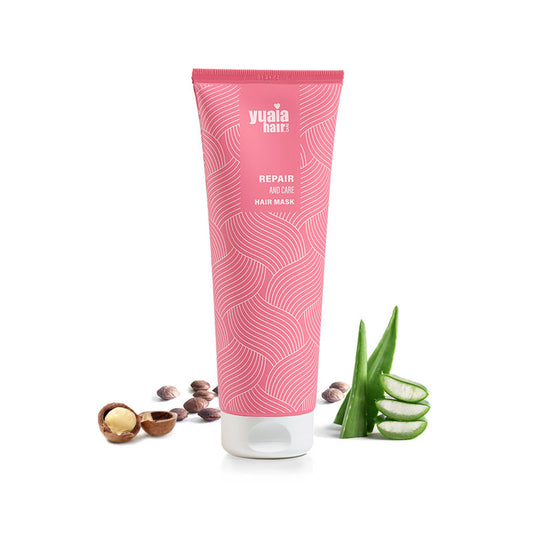
Incorporating weekly deep moisture treatments is vital for replenishing hydration in heat-damaged hair. Look for masks rich in ingredients like shea butter, aloe vera, and coconut oil. These components help lock in moisture and nourish the hair. You can also create a simple DIY mask using aloe vera and honey for an added hydration boost.
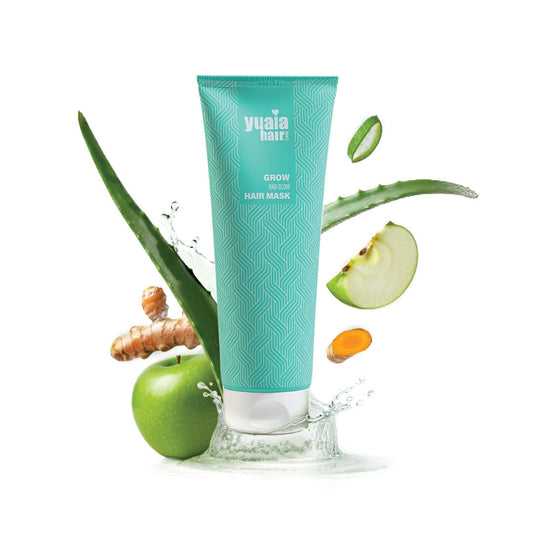
Step 3: Incorporate protein treatments carefully
Protein treatments are beneficial for restoring strength, especially in straight and fine hair. However, it's essential to use them sparingly to avoid protein overload, which can make hair brittle. Opt for treatments that balance protein and moisture to support hair repair effectively.
Step 4: Natural oil treatments
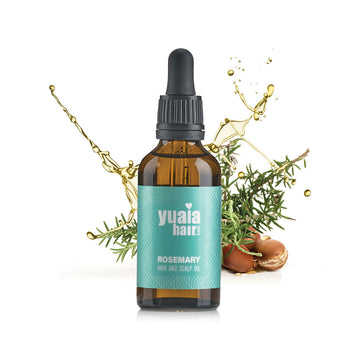
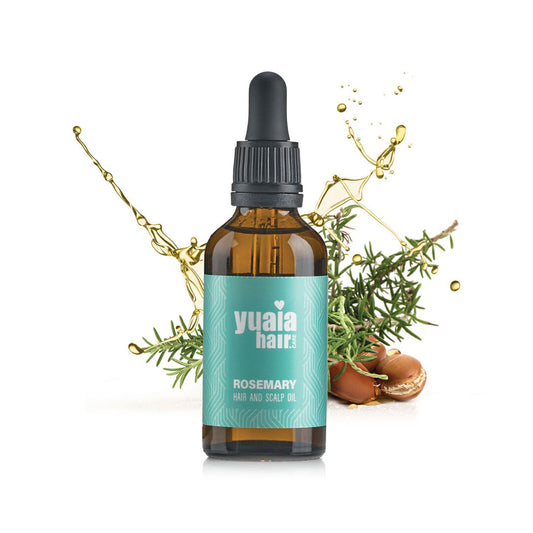
Natural oils play a significant role in nourishing and strengthening heat-damaged hair. Oils like jojoba, argan, and rosemary are excellent choices. For a rejuvenating hot oil treatment, warm the oil slightly, apply it to your hair, cover with a shower cap, and leave it on for about 30 minutes before washing it out. Our rosemary hair oil is perfect for this purpose, providing nourishment and promoting scalp health.
Step 5: Protective styling for curls and coils
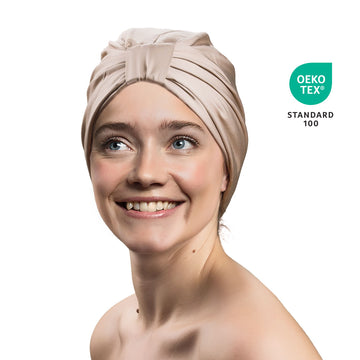
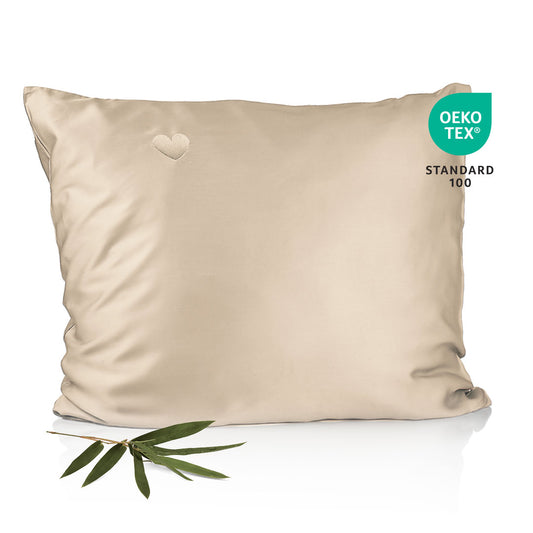
Protective styles like braids, twists, and buns help minimize manipulation and protect hair from further damage. These styles reduce stress on the hair and allow it to recover. For overnight protection, consider using a silk scarf or a bamboo pillowcase to reduce friction and retain moisture.
Step 6: Night-time routine for continued repair
Establishing a night-time routine supports ongoing repair. Using a light leave-in treatment and opting for protective styles at night can help maintain moisture and prevent breakage. A satin pillowcase is an excellent addition to your routine, as it reduces friction and helps keep your hair smooth.
Best natural ingredients for heat-damaged hair
When it comes to repairing heat-damaged hair naturally, certain ingredients stand out for their restorative properties. Aloe vera is renowned for its hydrating and soothing abilities, making it perfect for replenishing moisture. Shea butter provides deep nourishment, helping to lock in moisture and improve elasticity. Honey is a natural humectant, attracting moisture to the hair, while rosemary oil enhances scalp health and promotes stronger hair growth. These ingredients, when used regularly, can significantly enhance the appearance and feel of your hair.
How long does it take to see a difference?
Patience is key when repairing heat-damaged hair naturally. While you may notice some improvements in texture and moisture after just a few treatments, achieving more significant results can take time. Typically, mild damage may show visible improvement after a few weeks of consistent care, whereas more severe damage might require a couple of months. The key is to maintain a regular routine and remain consistent with your natural repair methods.
When to consider a trim
Even with the best natural care, there are times when a trim becomes necessary. Regular trims help remove split ends, which can travel up the hair shaft and cause further damage if left unchecked. If you notice your hair is not responding well to treatments or appears frayed and uneven, it might be time for a micro-trim. This approach allows you to maintain length while removing the most damaged parts, promoting healthier growth.
Sample 4-week natural repair plan
Embarking on a structured repair plan can help you stay on track and measure your progress. Here's a sample 4-week plan:
- Week 1: Focus on gentle cleansing and deep moisture treatments. Use a sulfate-free shampoo and a rich hair mask once a week.
- Week 2: Introduce natural oil treatments and protective styling. Alternate between hot oil treatments and protective styles like braids or buns.
- Week 3: Add a light protein treatment to your routine. Ensure you balance it with moisture-rich products to avoid protein overload.
- Week 4: Evaluate your hair's progress and consider a micro-trim if necessary. Continue with your established routine, adjusting as needed based on your hair's response.
Frequently asked questions
Can heat-damaged hair be fully repaired?
While natural methods can significantly improve the appearance and health of heat-damaged hair, complete reversal of the damage is not always possible. The focus should be on enhancing moisture, strength, and shine.
Are natural oils effective for all hair types?
Yes, natural oils like jojoba, argan, and rosemary oil can benefit all hair types. However, the frequency and method of application may vary depending on your hair's texture and needs.
How often should I apply a deep moisture treatment?
For best results, incorporate a deep moisture treatment into your routine once a week. This frequency helps maintain hydration without weighing the hair down.


