 Consegna in 2-4 giorni
 Oltre 100.000 clienti soddisfatti
 Garanzia di soddisfazione














Thinning hair at temples female: How to tackle it naturally and effectively

presso Nanna Bundgaard | 18. March 2026 | Tempo di lettura: 5 minuti
Leggi di più sull'autoreHair thinning at the temples is a common concern among women, often causing emotional distress and a strong desire for natural solutions. This issue can impact self-esteem and confidence, as the temples are a visible part of the hairline. Understanding the underlying causes and exploring effective ways to address this condition naturally can help women regain their confidence.
Why does temple hair thinning happen?
Several factors contribute to hair thinning at the temples in women. One primary cause is female pattern hair loss (FPHL), a genetic condition that can lead to thinning hair, although it is less common at the temples. This condition results from follicle shrinkage, which can be linked to androgen sensitivity.
Another common cause is traction alopecia, which results from wearing tight hairstyles like ponytails, buns, or braids. These styles create tension on the hair follicles, leading to hair loss, especially at the temples. Recognizing the signs, such as scalp tenderness and breakage, is important for prevention.
Hormonal changes also play a significant role in hair thinning. Conditions such as menopause, polycystic ovary syndrome (PCOS), and thyroid issues can disrupt the hormonal balance, affecting hair growth. Stress is another factor that can lead to hair loss, specifically through a condition known as telogen effluvium. This stress-induced hair loss often shows as thinning at the temples.
While specific nutrients aren't the focus here, maintaining a healthy diet is important for overall hair health. Nutritional deficiencies can exacerbate hair thinning, making it essential to support the body with a balanced diet.
Natural solutions for temple hair thinning
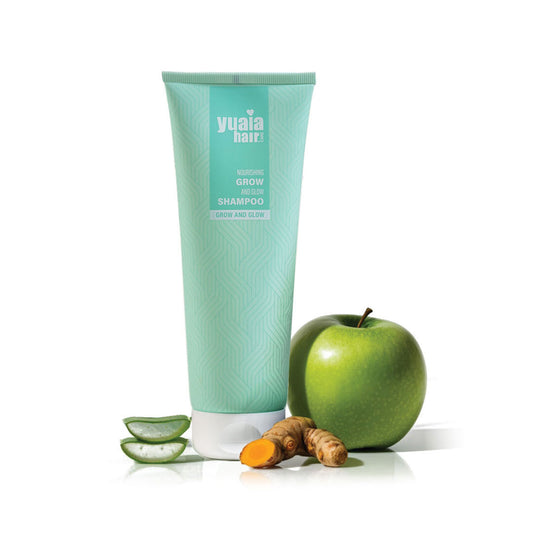
When addressing hair thinning naturally, it's important to focus on gentle and effective methods. Adopting a gentle hair care routine is beneficial. Using sulfate-free and silicone-free products can help maintain scalp health and support hair growth. Our Grow and Glow shampoo is an excellent choice for those experiencing thinning hair.
Adjusting hairstyles can also make a difference. Opting for looser styles can alleviate tension on the hair follicles, reducing the risk of traction alopecia. Additionally, managing stress through mindfulness practices or yoga can help prevent stress-related hair loss.

Natural methods to combat temple thinning
Addressing thinning hair at the temples naturally involves adopting a holistic approach that prioritizes gentle care and lifestyle adjustments. One effective method is to establish a hair care routine that uses sulfate-free and silicone-free products, which help maintain a healthy scalp environment conducive to hair growth. In this context, our Grow and Glow shampoo is formulated to support those experiencing thinning hair by gently cleansing without stripping essential oils.
Hairstyle adjustments for healthy hair
Reevaluating your choice of hairstyles can significantly impact the health of your hair, particularly at the temples. Tight hairstyles like high ponytails, buns, or braids exert tension on the hair follicles, potentially leading to traction alopecia. Opting for looser styles reduces stress on the hairline, allowing the follicles to recover and promoting healthier hair growth over time.
Stress management techniques
Stress is a known trigger for hair loss, especially through a condition called telogen effluvium, which often presents as thinning hair at the temples. Integrating stress management practices into your daily routine can mitigate this effect. Techniques such as mindfulness meditation, yoga, or even simple breathing exercises can help reduce stress levels, thereby supporting overall hair health.
Enhancing scalp health and circulation
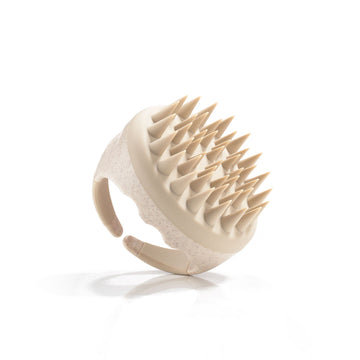
Improving scalp health and circulation is another natural method to combat temple thinning. Regular scalp massages can stimulate blood flow, providing the hair follicles with essential nutrients and promoting growth. Additionally, incorporating natural oils into your routine can nourish the scalp and hair. Our rosemary hair oil is an excellent choice for those looking to enhance scalp health, offering nourishment and hydration that supports a thriving hair environment.

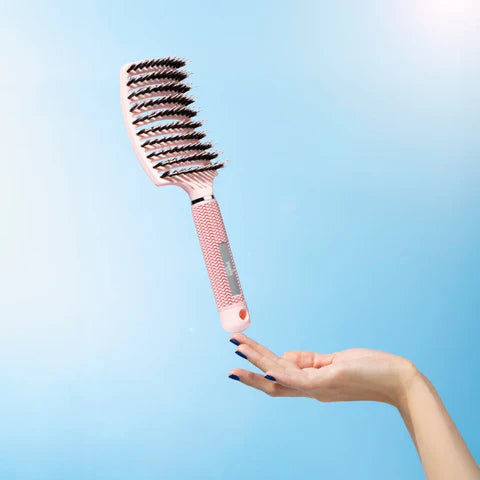
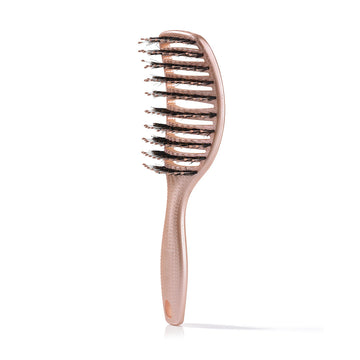
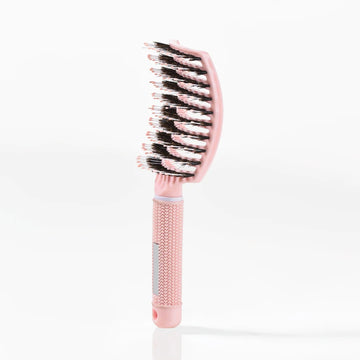
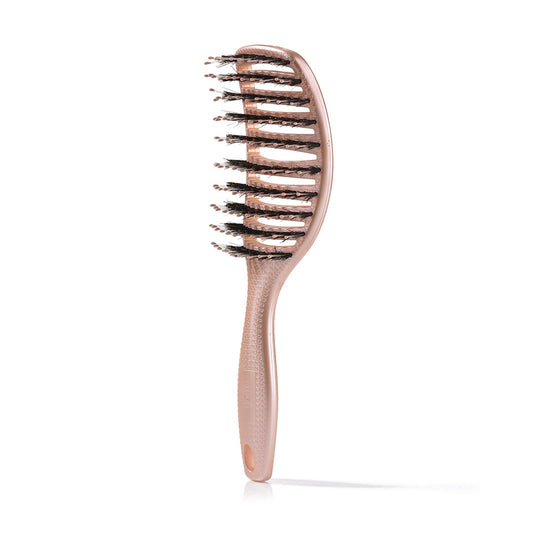
Brushing techniques also play a role in maintaining hair health. Using a boar bristle brush, such as our Curvy Brush, can gently detangle hair while distributing natural oils from the scalp along the hair shaft, promoting shine and reducing breakage.
Nutritional support for hair health
While specific nutrients are not the focus here, maintaining a balanced diet rich in essential nutrients is crucial for supporting hair growth naturally. A diet that includes a variety of vitamins and minerals can help ensure that your body has what it needs to maintain normal hair health.
Get a 10% discount code sent to you
Receive the best tips and tricks for your hair from Lotte and Nanna 🥰
Additional strategies for temple hair thinning
Beyond adopting a gentle hair care routine and making hairstyle adjustments, there are other strategies that can support hair health at the temples. Consistent use of natural oils and treatments can provide the nourishment needed for hair to thrive. Coconut oil, for example, is known for its moisturizing properties, which can help maintain a healthy scalp and promote hair growth. Similarly, argan oil is rich in antioxidants and vitamins that can benefit hair health.
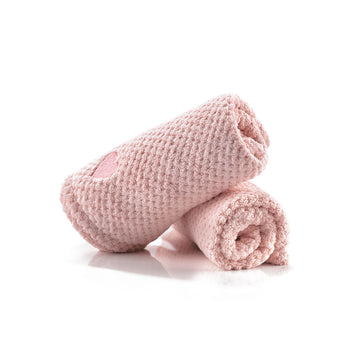
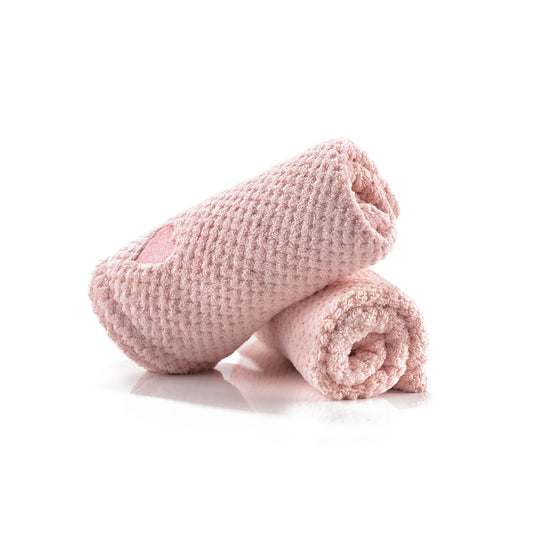
Another effective approach is to pay attention to the materials you use in your daily hair care routine. For example, switching to a microfiber towel for drying your hair can minimize friction and reduce the risk of breakage, which is especially important for delicate temple hair.
Frequently asked questions
Can temple hair thinning be reversed naturally?
While results can vary, many women experience positive changes by consistently using natural hair care methods and making lifestyle adjustments. This includes adopting a gentle hair care routine, managing stress, and avoiding tight hairstyles that can cause traction alopecia.
How long does it take to see improvement?
Improvements in hair health and growth can take time, often several months, to become noticeable. Patience and consistency with natural methods are key to achieving the best results.
Are there specific hairstyles to avoid?
Yes, it's advisable to avoid hairstyles that place excessive tension on the hair follicles, such as tight ponytails, buns, and braids. Opting for looser styles can help reduce the risk of traction alopecia and promote healthier hair growth at the temples.
Ricevi un codice di sconto del 10%
Ricevi i migliori consigli e trucchi per i tuoi capelli da Lotte e Nanna 🥰


