Consegna in 2-4 giorni
 Oltre 100.000 clienti soddisfatti
 Garanzia di soddisfazione




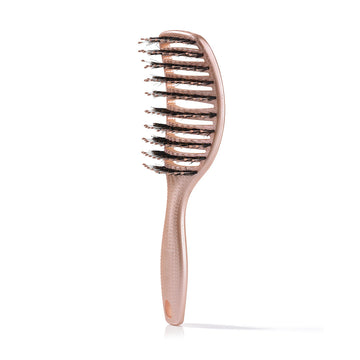
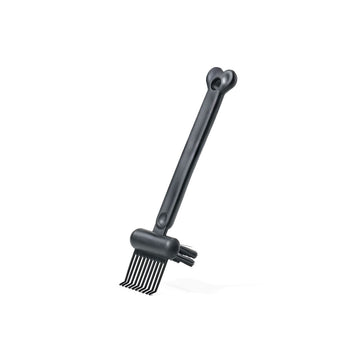
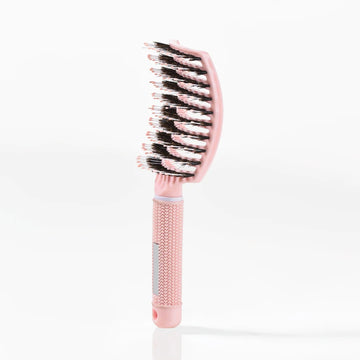

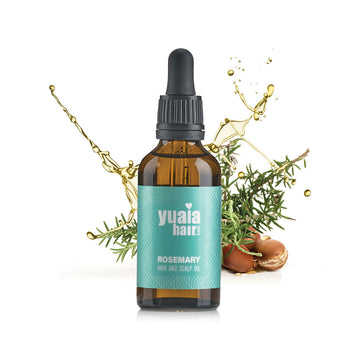





Scalp and hair texture: a closer look
The texture of both the scalp and hair can reveal much about oil buildup. An oily scalp often exhibits visible sebum flakes, which are tiny particles of oil mixed with dead skin cells. These flakes can mix with dirt particles, creating a noticeable layer on the scalp that contributes to a greasy appearance. Furthermore, yellow-white sebum plugs may form, leading to clogged follicles that are visible upon close inspection.
When touching the hair, it may feel greasy and sticky, lacking the fresh, clean sensation that comes after a proper wash. This greasy texture can result in hair appearing limp and unstyled, as the excess oil weighs it down, making it difficult to achieve any volume or bounce.
Common scenarios depicted in imagery
Visual representations of oil buildup often showcase everyday situations where greasy hair becomes apparent. For instance, unwashed hair post-shampooing can quickly return to a greasy state, especially if the shampoo used does not effectively manage oil. This is particularly common when using shampoos that contain sulfates, which can strip the hair of natural oils, prompting the scalp to overproduce sebum as a compensatory mechanism.
Another relatable scenario is inspecting greasy roots in mirrors, a moment many experience when they notice their hair clinging together and appearing flat. This is often highlighted in images, capturing the frustration of trying to style hair that simply won't cooperate due to excess oil.
In addition to these scenarios, minimal self-care contexts, such as skipping regular hair washing or using inappropriate products, can exacerbate oil buildup. These habits are often reflected in imagery that emphasizes the need for a consistent hair care routine to manage oil effectively.
How to manage and prevent oil buildup
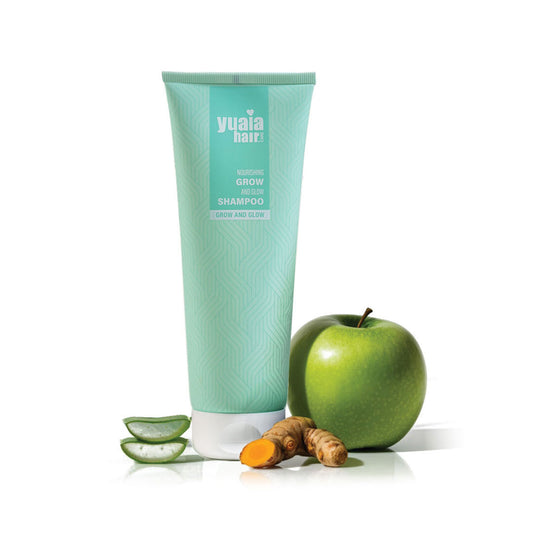
To manage and prevent oil buildup, regular washing with suitable products is essential. Opting for sulfate-free shampoos, such as our Grow and Glow shampoo, can help maintain a healthy balance of natural oils without triggering excess production. This shampoo is specifically formulated to cleanse without stripping, making it ideal for those with oily hair types.

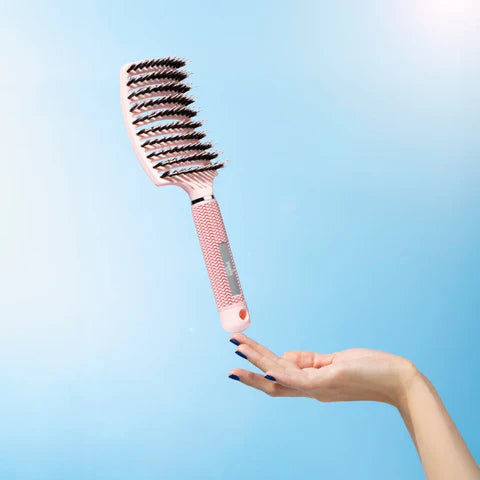
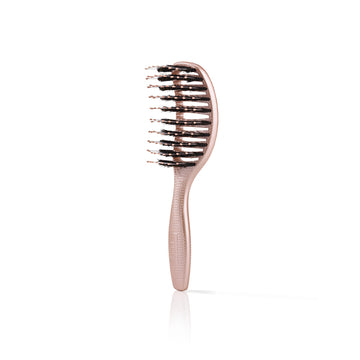
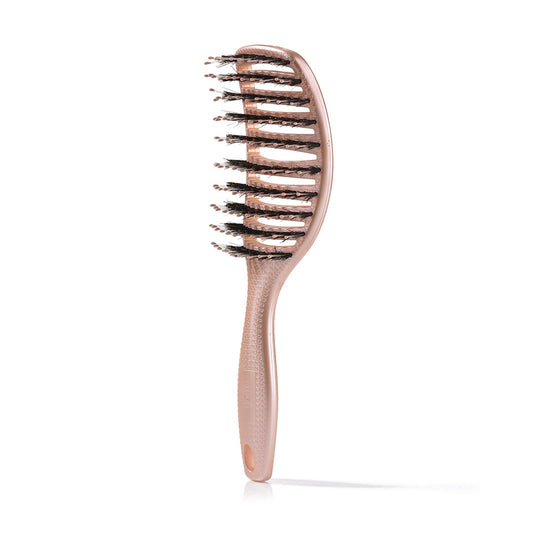
Proper brushing techniques are also crucial in distributing natural oils evenly throughout the hair. Using a brush like our Curvy Brush can aid in this process, promoting a healthier appearance by preventing oil from accumulating at the roots.
Incorporating these practices into your hair care routine can significantly reduce the visual signs of oil buildup, ensuring your hair looks and feels its best.
Practical tips for maintaining healthy hair
Maintaining a consistent hair care routine is key to minimizing oil buildup and keeping your hair looking fresh and healthy. Here are some practical tips to help you manage oily hair effectively:
- Use dry shampoo: A quick fix for greasy hair between washes, dry shampoo can absorb excess oil and add volume to your hair. It's a convenient solution for those busy days when washing isn't an option.
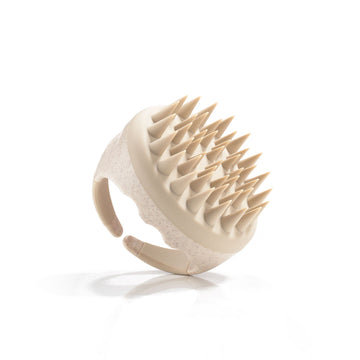
- Regular scalp exfoliation: Exfoliating your scalp helps remove dead skin cells and sebum buildup, promoting a cleaner and healthier scalp environment. This can be done using specialized scalp scrubs or gentle exfoliating brushes.
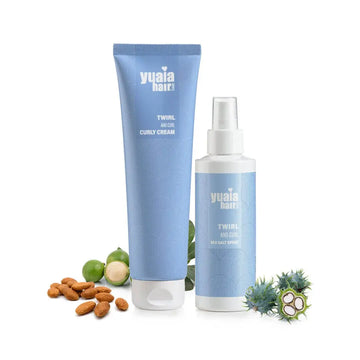
- Choose the right products: Opt for hair care products specifically made for oily hair. At Yuaia Haircare, we offer a range of products that cater to different hair types, ensuring you find the right match for your needs.
- Avoid over-washing: While it may be tempting to wash your hair frequently to combat oiliness, over-washing can strip the hair of its natural oils, prompting the scalp to produce even more oil. Aim for a balanced washing routine that suits your hair type.
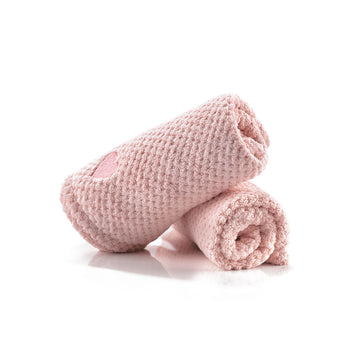
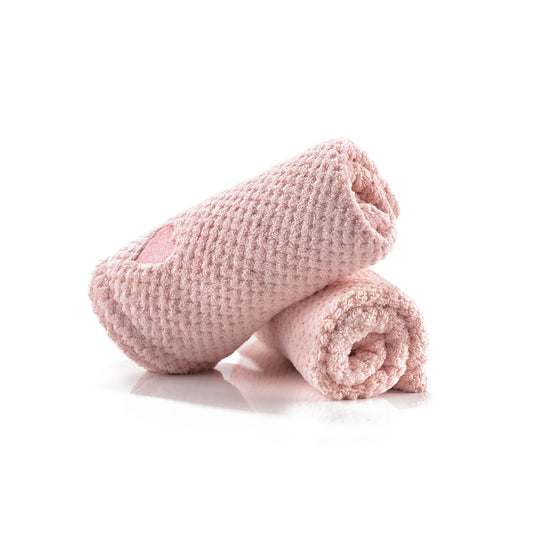
- Use a microfiber towel: Dry your hair with a microfiber towel to reduce friction and prevent frizz. This gentle drying method helps maintain the hair's natural texture and shine.
Frequently asked questions
Is shiny hair always a sign of oil buildup?
Not necessarily. While shiny hair can be an indicator of oil buildup, it can also result from healthy, well-moisturized hair. It's important to assess other factors, such as texture and styling challenges, to determine if oil buildup is the cause.
Can oil buildup lead to hair loss or other scalp issues?
Yes, excessive oil buildup can clog hair follicles, potentially leading to scalp issues such as dandruff or hair thinning. Maintaining a clean scalp through regular washing and exfoliation can help prevent these problems.
How often should you wash your hair to prevent oil buildup?
The frequency of hair washing depends on your hair type and lifestyle. Generally, washing your hair every 2-3 days is sufficient for most people. However, if you have extremely oily hair, you might need to wash it more frequently, using products suitable for your hair type.