 Consegna in 2-4 giorni
 Oltre 100.000 clienti soddisfatti
 Garanzia di soddisfazione










Overwashing and its impact on scalp health
One of the most common reasons why your hair may feel dirty after washing is due to overwashing. While it might seem counterintuitive, washing your hair too frequently can strip your scalp of its natural oils. This leads to an overproduction of sebum as your scalp attempts to compensate for the loss, resulting in greasy-feeling hair shortly after washing. Finding the right balance between keeping hair clean and preserving these essential oils is crucial. To avoid overwashing, consider washing your hair every two to three days, allowing your scalp to maintain its natural oil balance.
The role of product buildup
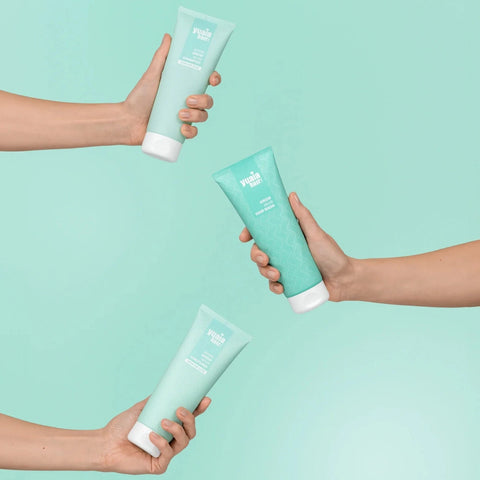
Another factor contributing to hair feeling dirty is product buildup. Residues from styling products, conditioners, or even incomplete rinsing can accumulate on the hair, trapping oil and dirt. This buildup can make hair appear greasy and dull. To combat this, ensure thorough rinsing during each wash and consider using a clarifying shampoo periodically. Opt for products that are designed to minimize buildup, such as our sulfate-free Grow and Glow shampoo, which effectively cleanses without leaving residue.

Choosing the right shampoo and conditioner
The choice of shampoo and conditioner plays a significant role in how your hair feels post-wash. Moisturizing formulas, especially those containing sulfates and silicones, can weigh down hair, making it feel greasy. It's essential to select products that suit your hair type and needs. For those with fine or oily hair, lightweight, sulfate-free shampoos can help maintain a clean feel. Our Grow and Glow shampoo is an excellent choice, offering a fresh and clean finish without the heaviness of traditional formulas.

Techniques for effective washing and rinsing
Proper washing and rinsing techniques are vital to ensuring your hair feels clean after washing. Begin by wetting your hair thoroughly before applying shampoo. Use your fingertips to massage the scalp gently, focusing on the roots where oil tends to accumulate. Rinse with lukewarm water to avoid stripping natural oils. Ensure all product is washed out by rinsing for a full minute or two. This simple yet effective routine can make a significant difference in how your hair feels post-wash.
Health and environmental factors
External factors such as hard water and environmental conditions can also influence how your hair feels after washing. Hard water contains minerals that can deposit on the hair, leading to a greasy or unclean feel. Consider using a water softener or a clarifying treatment to remove these deposits. Additionally, conditions like seborrheic dermatitis can cause excess oil production, impacting hair cleanliness. If you suspect a health condition is affecting your scalp, consulting a dermatologist may provide further insights.
Understanding hair type and brushing habits
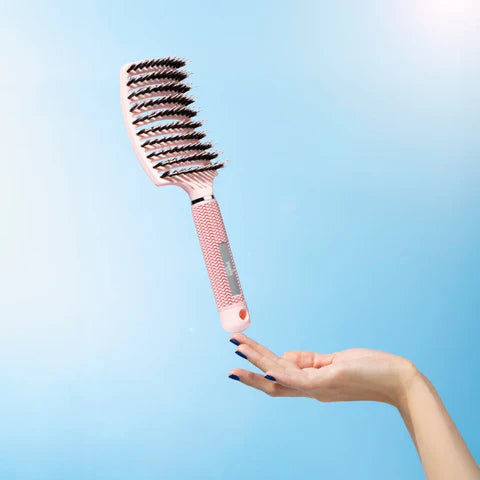
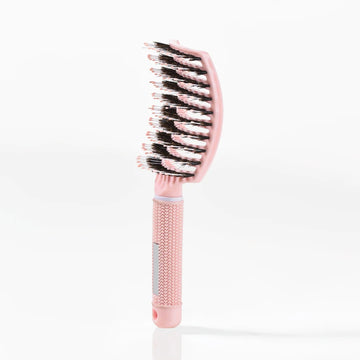
Your hair type and brushing habits can affect how quickly your hair appears oily. Fine or straight hair tends to show oil more rapidly than other types. Additionally, using clean brushes is essential to prevent redistributing oil and dirt back onto your hair. Our Curvy Brush with boar bristles can help distribute natural oils evenly, reducing the appearance of greasiness.

Preventive measures for between washes
Maintaining clean hair between washes is essential to avoid that greasy feeling. One effective method is the careful use of dry shampoo, which can absorb excess oil without the need for water. However, it's important to use it sparingly to prevent buildup. Additionally, ensure that your hair tools, such as brushes and towels, are clean before use. Dirty tools can transfer oil and dirt back onto your hair, undermining your washing efforts. A clean microfiber towel can be particularly beneficial as it absorbs moisture efficiently without roughing up the hair cuticle.

Tailoring hair care to your specific needs
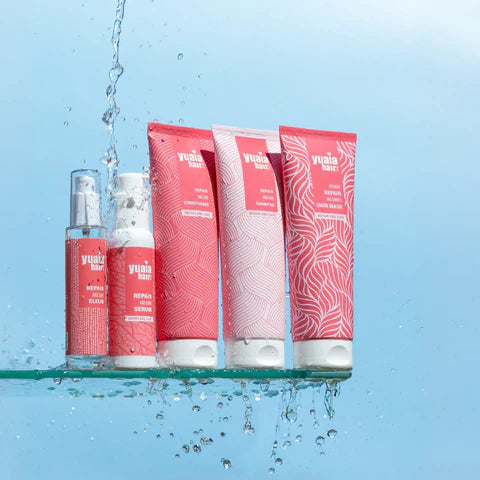
Every hair type has unique needs, and understanding yours can help tailor your hair care routine effectively. For those with dry or damaged hair, using products that provide extra nourishment can be beneficial. At Yuaia Haircare, we offer a range of products made to address various hair concerns. For example, our Rosemary oil can provide the necessary moisture and protection for healthier hair. By assessing your hair type and selecting suitable products, you can enhance your hair's appearance and feel.

Frequently asked questions
Why does my hair feel greasy after using conditioner?
Applying conditioner too close to the roots can lead to a greasy feeling. It's best to focus the conditioner on the ends of your hair, where it is most needed, to avoid weighing down the roots.
How can I tell if my shampoo is causing buildup?
Signs of shampoo buildup include a dull appearance, lack of volume, and a greasy feel even after washing. Switching to a sulfate-free shampoo can help minimize residue and keep your hair feeling fresh.
What can I do about hard water affecting my hair?
Hard water can deposit minerals on your hair, making it feel unclean. Using a water softener or applying a clarifying treatment occasionally can help remove these deposits and restore your hair's natural shine.


