 Consegna in 2-4 giorni
 Oltre 100.000 clienti soddisfatti
 Garanzia di soddisfazione









What causes hair to feel rubbery?
Rubbery hair often results from a disruption in the delicate balance between moisture and protein within the hair. This imbalance can manifest in various ways, leading to a texture that feels gummy or overly elastic. Understanding the specific causes can help in determining the best course of action to restore hair health.
Excess moisture (Hygral Fatigue)
Hygral fatigue occurs when hair absorbs too much water, leading to swelling and a mushy texture. This is often due to over-conditioning, frequent washing, or prolonged exposure to water, such as swimming. The repeated cycle of swelling and drying can weaken the hair structure, making it feel rubbery. To mitigate this, consider adjusting your hair washing routine and using products that help maintain the right moisture balance.
Protein deficiency and structural damage
Hair treatments like bleaching, dyeing, and chemical relaxers can strip hair of keratin, the protein that provides strength and structure. Without adequate protein, hair becomes weak and overly flexible, resulting in a rubbery feel. Incorporating a protein treatment into your haircare routine can help rebuild the hair's structure and restore its resilience.
Heat styling damage
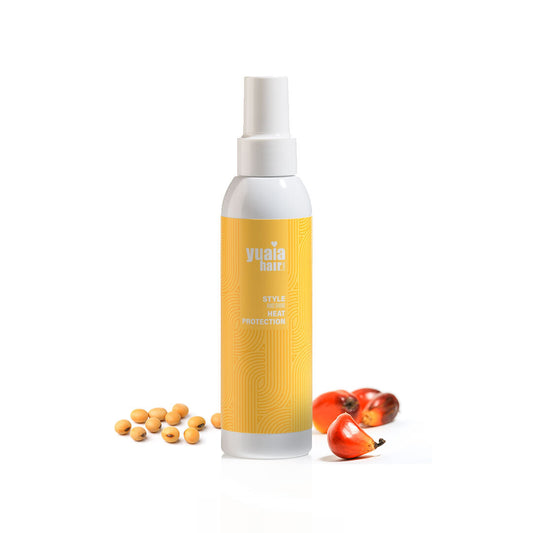
Excessive use of high-heat styling tools like straighteners and curling irons can denature the proteins in your hair, leading to a rubbery texture. These tools can cause significant damage over time, so it's important to use a heat protectant spray to shield your hair from thermal damage.
Chemical over-processing
Repeated chemical treatments, such as perming or coloring, can weaken the hair’s disulfide bonds, resulting in a gummy texture. Allowing time between treatments and using restorative products can help maintain the integrity of your hair.
How can you test for hair elasticity?
Testing your hair's elasticity can provide insights into its protein and moisture balance. Here's a simple way to perform an elasticity test:
- Take a small section of wet hair and gently stretch it.
- Observe how the hair reacts. If it stretches significantly and does not return to its original shape, it indicates a moisture-protein imbalance.
- Hair that snaps easily may need more moisture, while hair that stretches excessively without snapping back may require more protein.
Understanding the results of this test can guide you in selecting the appropriate treatments to restore balance to your hair.
Solutions for restoring hair health
Restoring your hair's natural elasticity and strength involves balancing protein and moisture. Here are some strategies:
- Balancing protein and moisture: Use a combination of protein treatments and moisturizing products to address any imbalance. Adjust these treatments based on your hair's response to the elasticity test.
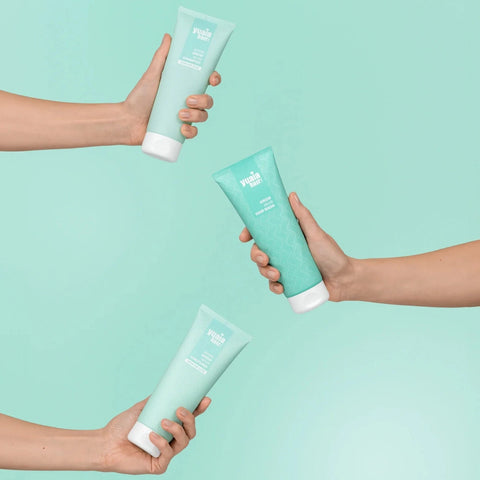
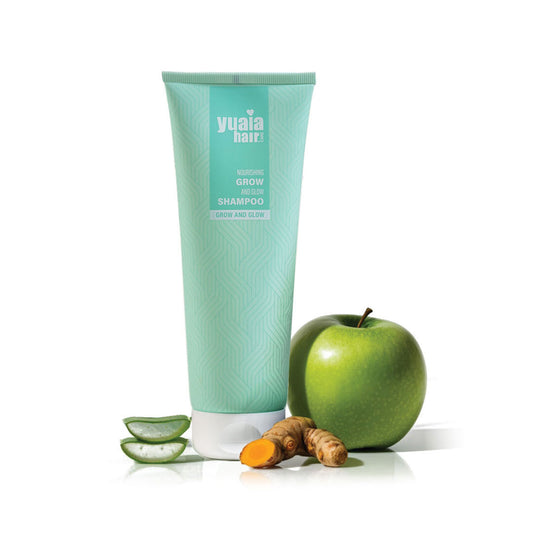
- Sulfate-free, silicone-free haircare: Opt for gentle shampoos and conditioners that avoid harsh chemicals. Our Grow and Glow shampoo is an excellent choice for maintaining healthy hair without the buildup associated with sulfates and silicones.
- Reducing heat and chemical exposure: Minimize the use of heat styling tools and chemical treatments to prevent further damage and allow your hair to recover.
By understanding the causes and implementing these solutions, you can restore your hair’s natural elasticity and strength, ensuring it feels healthy and vibrant once again.
Natural remedies for rubbery hair
When dealing with rubbery hair, natural remedies can be a gentle yet effective way to restore hair health. Natural oils like coconut and argan oil can help nourish and strengthen the hair shaft, providing essential nutrients that fortify the hair from within. These oils can be used as a pre-wash treatment or a leave-in conditioner, depending on your hair's needs.
DIY protein masks can also be beneficial. Ingredients like eggs and yogurt are rich in proteins and can help rebuild the hair's structure, enhancing its strength and elasticity. Regular use of these natural treatments can gradually improve the texture and feel of your hair.
Washing frequency and avoiding hygral fatigue
To prevent hygral fatigue, it's important to tailor your washing routine to your hair type. For those with dry or curly hair, washing once or twice a week may suffice, while those with oily hair might need to wash more frequently. The key is to avoid over-washing, which can strip hair of its natural oils and lead to excessive moisture absorption.
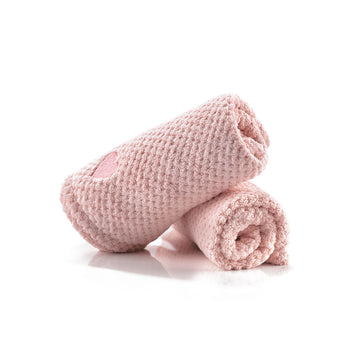
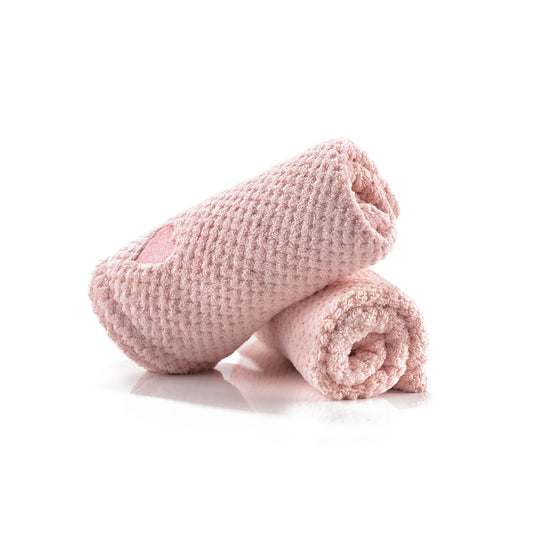
Using a microfiber towel can help reduce the amount of water your hair absorbs after washing, minimizing the risk of hygral fatigue. At Yuaia Haircare, we offer a microfiber towel that is gentle on the hair and aids in quickly removing excess moisture.
Protecting hair from environmental stress
Environmental factors such as sun exposure and pollution can exacerbate the rubbery texture of hair. To shield your hair from these stressors, consider wearing a hat or using a leave-in conditioner with UV protection when spending time outdoors. Additionally, rinsing your hair with cool water after exposure to pollutants can help remove residues that may weaken the hair structure.
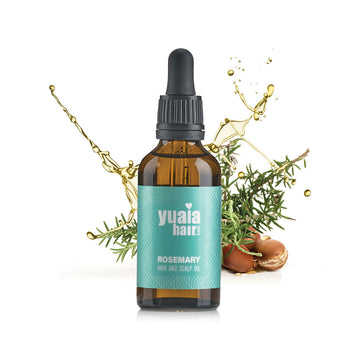
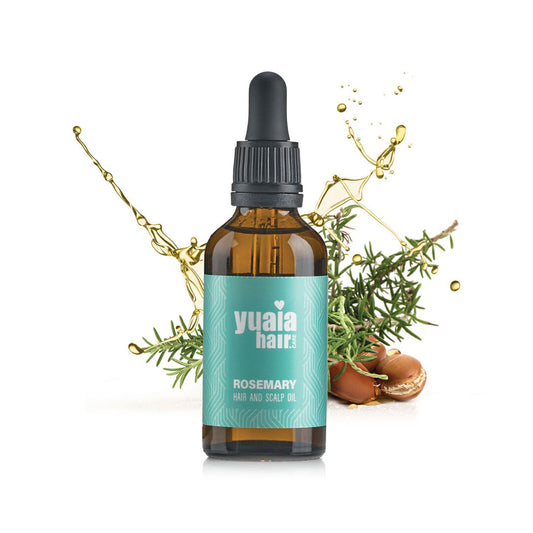
For added protection, using a nourishing oil like our rosemary hair oil can help create a barrier against environmental damage, keeping your hair healthy and resilient.
Frequently asked questions
Can brushing help improve hair texture?
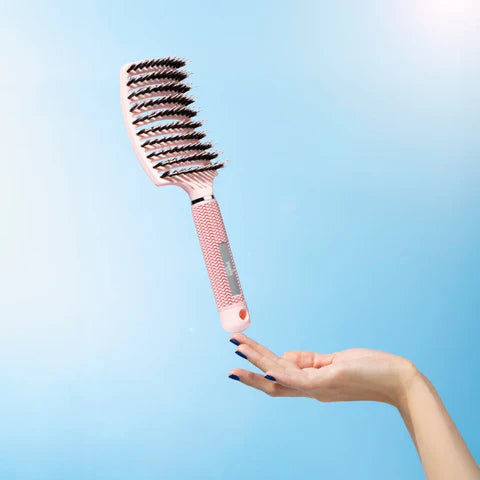
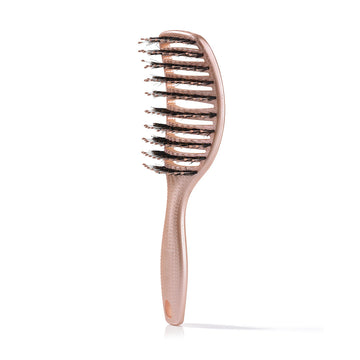
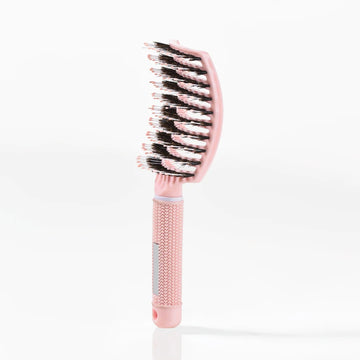
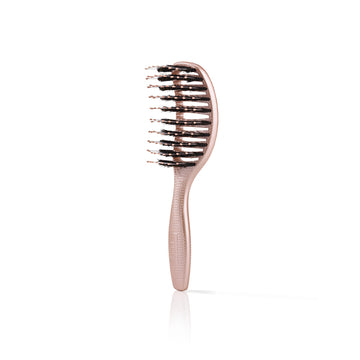
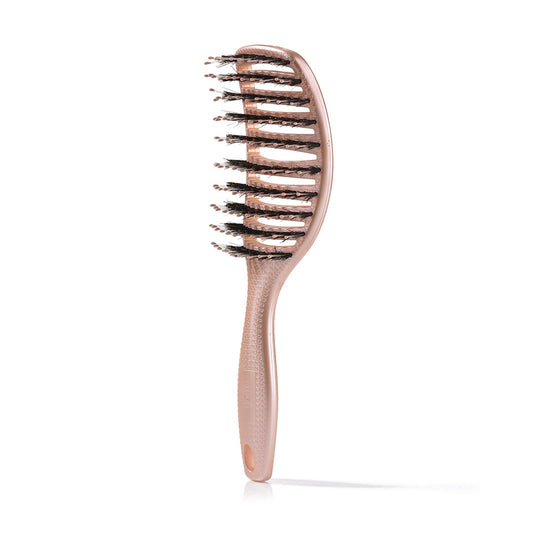
Yes, regular brushing with a boar bristle brush can help distribute natural oils throughout the hair, improving its texture and shine. Our Curvy Brush is ideal for this purpose, as it gently detangles while enhancing the hair's natural luster.
What are the signs of protein overload?
Protein overload can make hair feel stiff or brittle. If your hair lacks flexibility and breaks easily, it may indicate too much protein. Counteract this by incorporating more moisture-rich products into your routine to restore balance.
How can you protect hair from environmental stress?
Protecting hair from environmental stress involves using products with UV protection, wearing protective headgear, and rinsing hair with cool water after exposure to pollutants. These practices help maintain the hair's integrity and prevent it from feeling rubbery.


