 Consegna in 2-4 giorni
 Oltre 100.000 clienti soddisfatti
 Garanzia di soddisfazione










Lifestyle and environmental influences
While sebum overproduction is a primary cause of greasy hair, lifestyle and environmental factors can exacerbate the issue. Understanding these influences can help you make informed choices to manage greasiness effectively.
Diet and stress
Your diet and stress levels can significantly impact your hair's oiliness. Consuming a high-sugar diet can trigger increased sebum production, while dehydration can lead to an overactive sebaceous gland as your body tries to compensate for the lack of moisture. Stress also plays a role, as it can disrupt hormonal balance, leading to oily hair. While you can't control every aspect, maintaining a healthy diet and managing stress can support overall hair health.
Touching and styling habits
Frequent touching of your hair can transfer oils from your hands to your scalp, making your hair appear greasier. Similarly, wearing hats or using certain styling accessories can trap heat and moisture, encouraging oil production. To minimize these effects, try to keep your hands away from your hair and opt for breathable headwear.
Pollution and seasonal changes
Environmental factors like pollution can contribute to greasy hair by depositing dirt and particles on your scalp, which mix with sebum to create a greasy appearance. Seasonal changes, such as increased humidity in summer, can also enhance oiliness. Protecting your hair from environmental stressors and adapting your hair care routine to the seasons can help manage greasiness.
Routine tweaks for balance
Adjusting your hair care routine can help balance oil production and reduce greasiness. Here are some practical tweaks:
Adjusting washing frequency
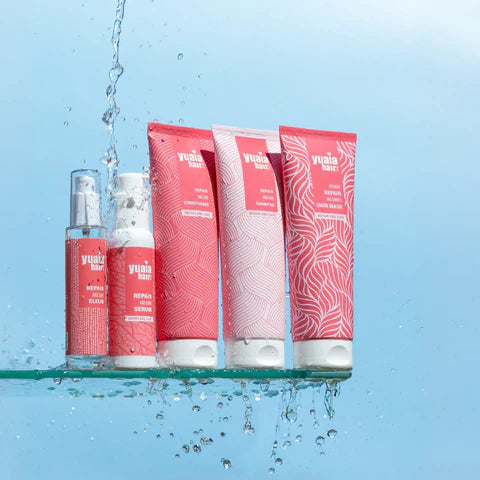
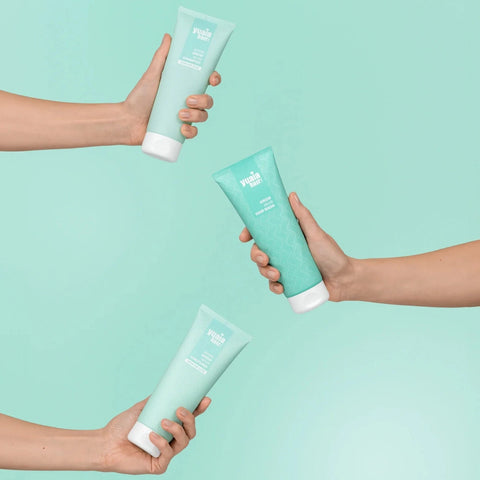
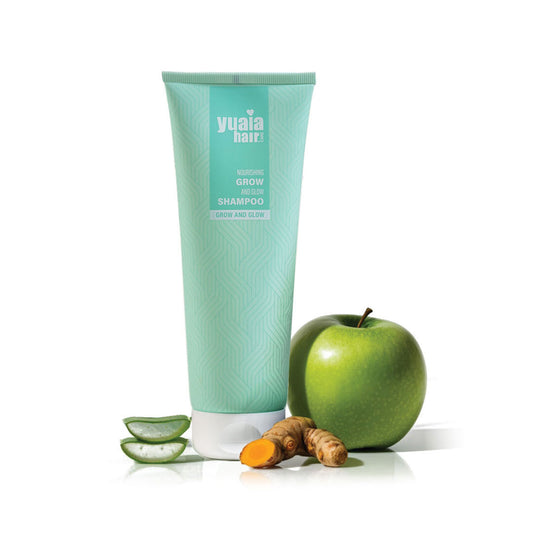
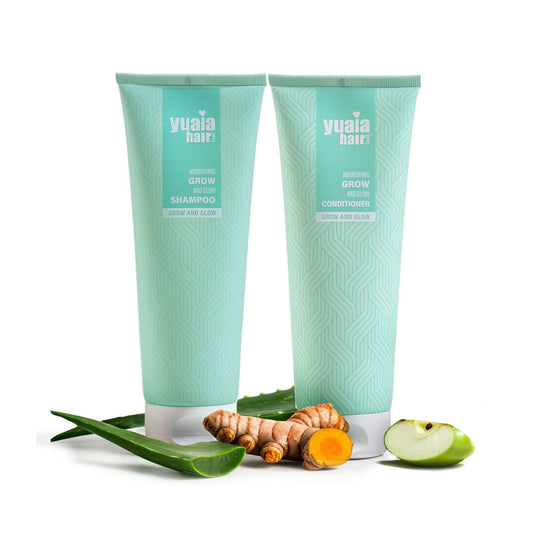
Finding the right washing frequency is essential for maintaining a healthy scalp oil balance. Washing your hair every 2-3 days with a sulfate-free shampoo can help prevent the overproduction of sebum. Our Grow and Glow shampoo is an excellent choice for gentle cleansing without stripping natural oils.
Clarifying and lightweight products
Using clarifying products occasionally can help remove buildup that contributes to greasy hair. However, it's important not to overuse them, as this can lead to dryness and increased oil production. Opt for lightweight conditioners that won't weigh your hair down. This balance can help maintain a clean, fresh look between washes.
Dry shampoo as a solution
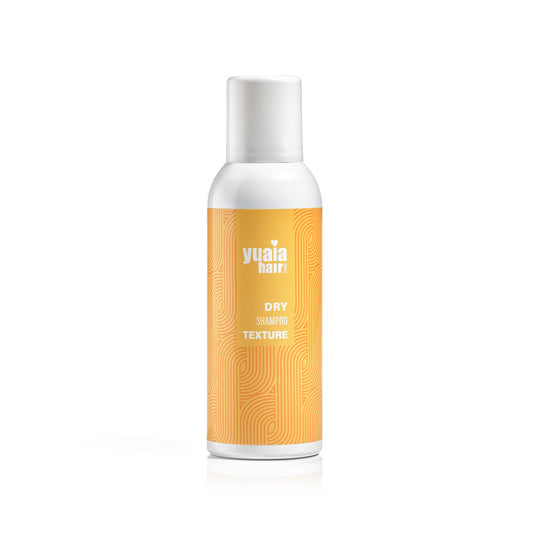
For those days when washing isn't feasible, dry shampoo can be a lifesaver. It absorbs excess oil and adds volume, making your hair look fresh and clean. Consider our dry shampoo as a quick fix to manage greasiness between washes.
Quick tips for grease-free hair
When dealing with hair that becomes greasy quickly, implementing a few quick tips can make a significant difference. These strategies can help manage oiliness and keep your hair looking fresh and clean.
Brushing techniques
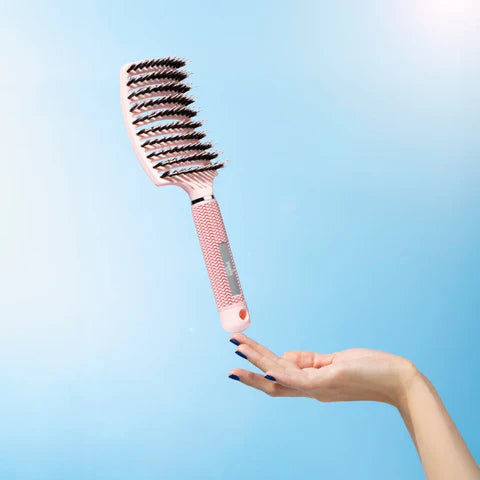
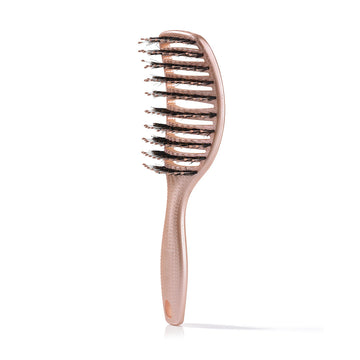
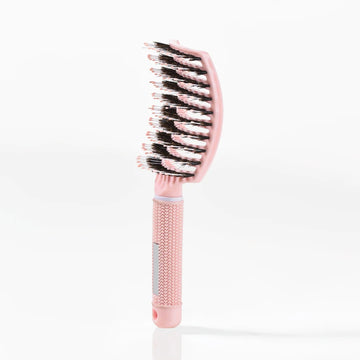
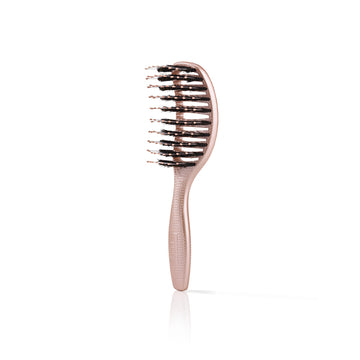
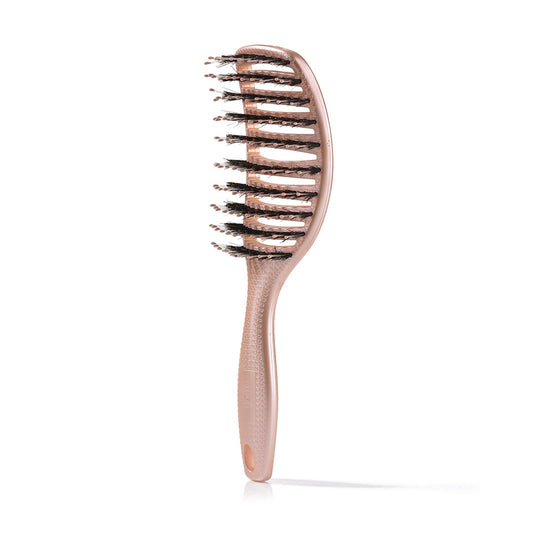
Proper brushing techniques can help distribute natural oils from your scalp down the length of your hair, reducing the concentration of grease at the roots. Using a brush with natural bristles, like our Curvy Brush, can be particularly effective. This not only helps in spreading oils evenly but also adds a healthy shine to your hair.
Mindful styling habits
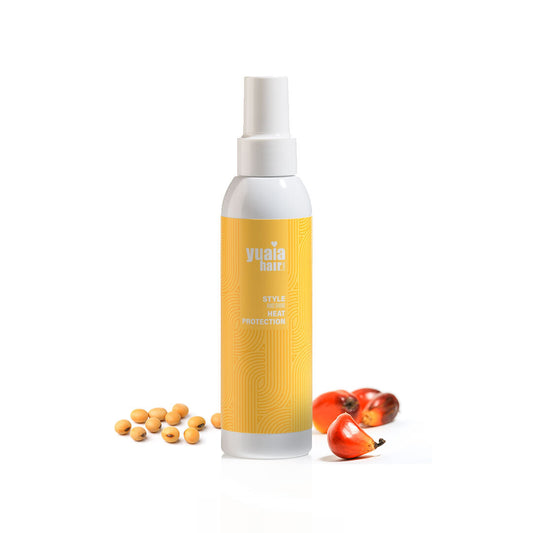
Limiting the use of heavy styling products can help prevent buildup that contributes to greasy hair. Opt for lightweight styling options that won't weigh your hair down. Also, consider using a heat protectant like our Style and Shine Heat Protection when using heat styling tools to prevent damage while keeping your hair looking sleek.
Environmental considerations
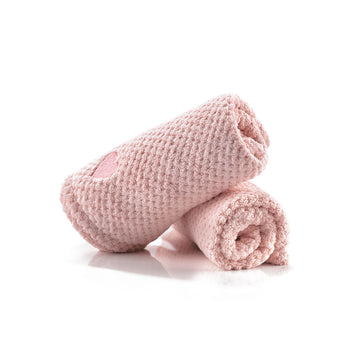
Environmental factors like pollution and humidity can exacerbate greasiness. Protecting your hair by wearing a hat or using protective hairstyles can minimize exposure to these elements. Additionally, using a bamboo pillowcase can help reduce oil transfer during sleep, keeping your hair fresher for longer.
Frequently asked questions
Why does my hair get greasy so quickly even if I don't touch it?
Even if you avoid touching your hair, natural oil production continues, and environmental factors such as humidity and pollution can contribute to a greasy appearance. Regularly cleaning your hairbrush and pillowcase can also help reduce external oil buildup.
Can diet really affect how greasy my hair gets?
Yes, certain foods and hydration levels can influence sebum production. Maintaining a balanced diet and staying well-hydrated can support a healthier scalp environment, potentially reducing the rate at which your hair becomes greasy.
Is it bad to wash my hair every day?
Washing your hair every day can strip it of natural oils, prompting your scalp to produce more sebum to compensate. It's generally better to find a balanced routine that suits your hair type, such as washing every 2-3 days with a gentle, sulfate-free shampoo.


