 2-4 dagen levering
 100.000+ tevreden klanten
 Tevredenheidsgarantie









How to use scalp oil for hair growth: Tips for healthier hair

bij Nanna Bundgaard | 29. January 2026 | Leestijd: 6 notulen
Lees meer over de auteurIn recent years, there has been a noticeable shift towards embracing natural hair care solutions, with scalp oils gaining popularity for their potential to promote hair health. As more people seek alternatives to chemical-laden products, scalp oils have emerged as a promising option for those looking to support their hair growth journey naturally.
What are the common hair growth challenges?
Achieving optimal hair growth can be challenging for many, often due to factors like genetics, stress, and environmental influences. One of the key aspects of promoting healthy hair growth is maintaining a well-nourished and balanced scalp. A healthy scalp is the foundation for strong hair, as it provides the necessary nutrients and environment for hair follicles to thrive.
How can scalp oil benefit hair growth?
Scalp oil serves as an important ally in creating a conducive environment for hair growth. While it may not directly stimulate hair growth, its benefits lie in its ability to improve scalp health. By moisturizing and nourishing the scalp, oils can help reduce dryness, flakiness, and inflammation, creating an optimal setting for hair follicles to function effectively.
- Moisturization: Scalp oils help maintain the scalp's natural moisture balance, preventing dryness and itchiness.
- Nourishment: Rich in essential fatty acids and vitamins, scalp oils provide vital nutrients that support scalp health.
- Improved Circulation: When combined with massage techniques, scalp oils can enhance blood flow to the hair follicles, promoting a healthier scalp environment.
For those interested in incorporating scalp oil into their hair care routine, it's important to choose the right oil for their specific hair type and needs. Popular choices include rosemary oil, known for its ability to support scalp health, and castor oil, which is praised for its moisturizing properties. Selecting a natural, sulfate-free blend can further enhance the benefits, ensuring that the scalp receives gentle and effective care.
What is scalp oil and how does it work?
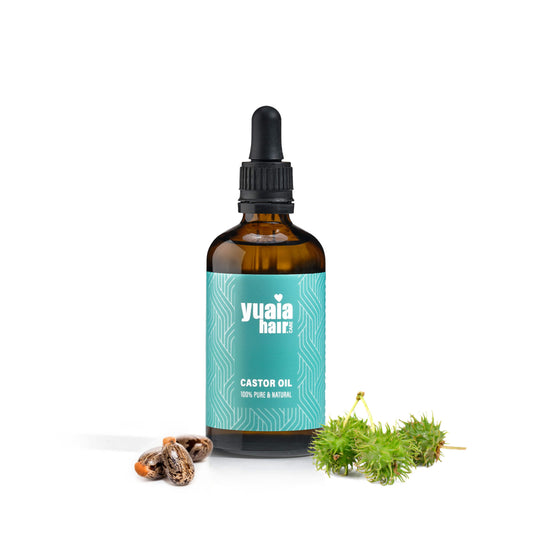
Scalp oil is a blend of natural oils specifically formulated to enhance scalp health and indirectly support hair growth. These oils often include nourishing ingredients like rosemary, castor, and peppermint, each offering unique benefits. For instance, rosemary oil is known for its potential to support scalp health by improving circulation, while castor oil is celebrated for its moisturizing properties that help lock in hydration, reducing dryness and flakiness.
The primary function of scalp oil is to create a healthy environment for hair growth by moisturizing the scalp and reducing inflammation. This is achieved through the application of oils that penetrate the scalp, delivering essential nutrients directly to the hair follicles. Improved scalp health can lead to stronger hair and reduced breakage, indirectly promoting a fuller appearance over time.
Choosing the right scalp oil for your hair type
Selecting the right scalp oil depends on your hair type and specific needs. Here are some popular oils and their benefits:
- Rosemary Oil: Known for its ability to enhance circulation and support scalp health.
- Castor Oil: Offers deep moisturization, making it ideal for dry, thick, or curly hair.
- Peppermint Oil: Provides a refreshing sensation and may help in soothing irritated scalps.
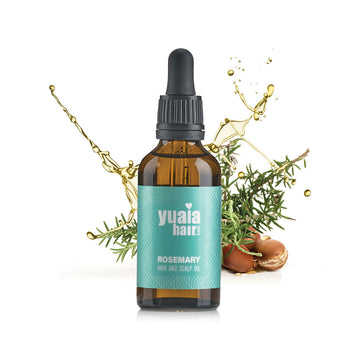
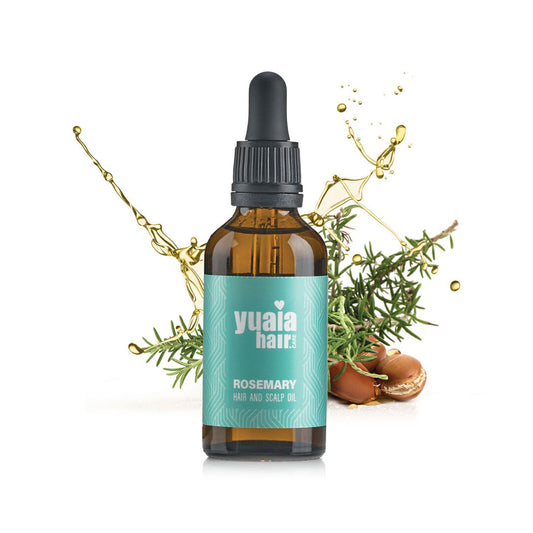
When choosing a scalp oil, consider natural, sulfate-free blends to ensure gentle care for your scalp. Our rosemary hair oil is an excellent choice for those looking to support scalp health with a natural approach.
Application techniques for maximum effectiveness
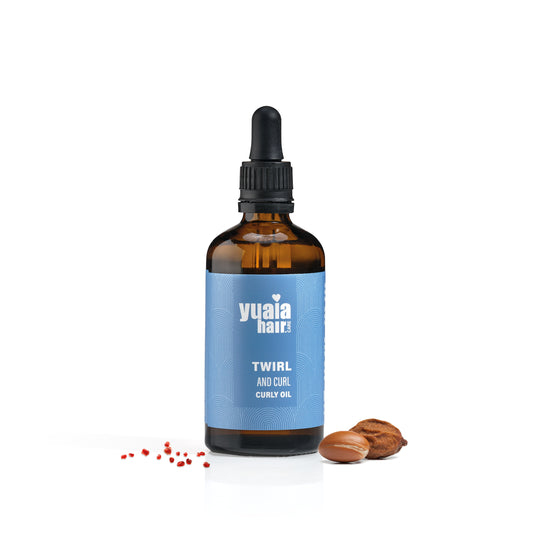
To maximize the benefits of scalp oil, proper application techniques are essential. Start by applying the oil directly to the scalp, focusing on areas that need extra attention. Use your fingertips to massage the oil in circular motions for 5-10 minutes. This massage not only helps the oil penetrate deeper but also enhances blood flow to the hair follicles, promoting a healthier scalp environment.
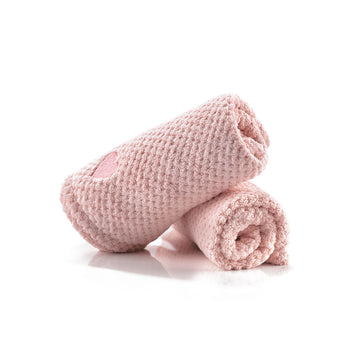
For optimal results, consider using scalp oil as an overnight treatment. After applying and massaging the oil, cover your hair with a shower cap or towel and leave it on overnight. This allows the oil to work its magic while you sleep. Alternatively, if you prefer a shorter treatment, leave the oil on for 1-2 hours before rinsing it out thoroughly with a gentle shampoo.
The frequency of application depends on your hair type and specific needs. For straight or fine hair, applying scalp oil once or twice a week is sufficient. For curly or coily hair, more frequent application, around three to four times a week, may be beneficial. Consistent use is key to seeing visible improvements in scalp health and hair condition.
Get a 10% discount code sent to you
Receive the best tips and tricks for your hair from Lotte and Nanna 🥰
Enhancing your scalp oil routine
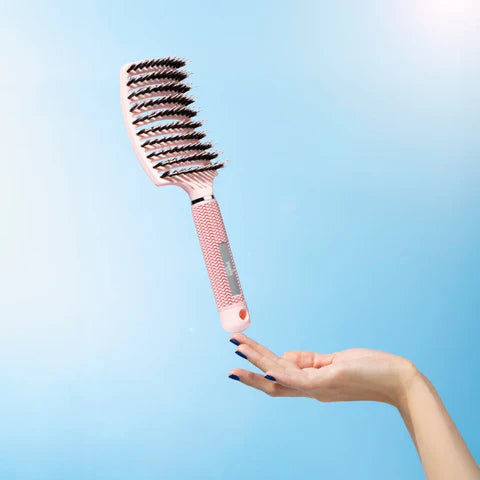
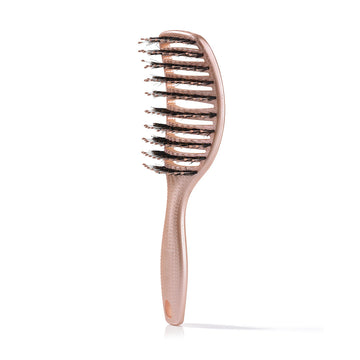
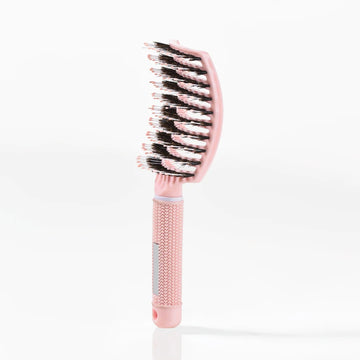
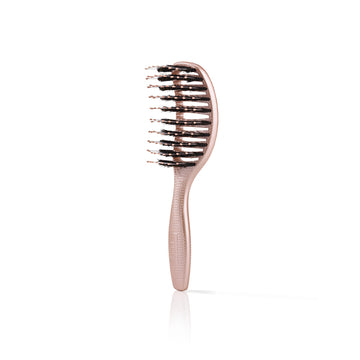
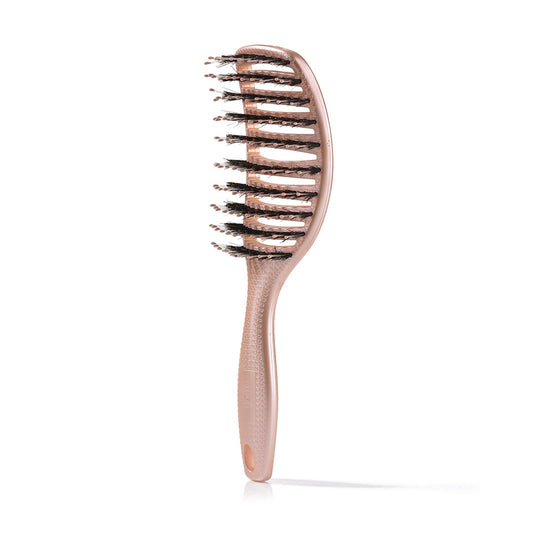
To further enhance the benefits of using scalp oil, consider integrating complementary practices into your hair care routine. Using a boar bristle brush, like our Curvy Brush, can help distribute the oils evenly from the scalp to the ends of your hair. This not only ensures that every strand benefits from the nourishing properties of the oil but also helps in detangling and reducing breakage.
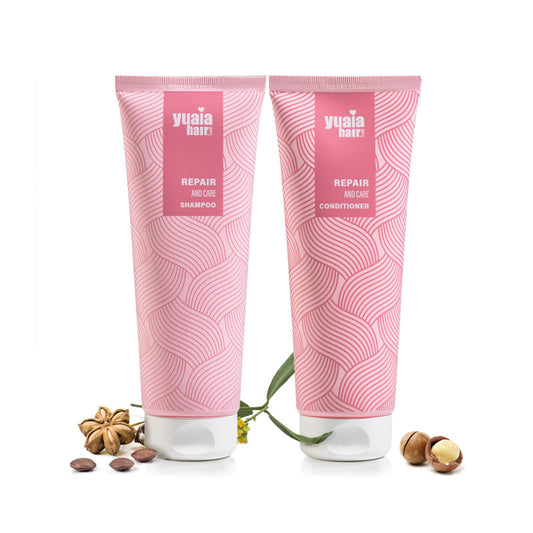
Incorporating a balanced hair care regimen is equally important. Using sulfate-free shampoos and conditioners can maintain the natural oils in your scalp, preventing dryness and irritation. This approach complements the use of scalp oils by ensuring that your scalp remains healthy and well-nourished.
Creating a personalized scalp oil routine
Personalizing your scalp oil routine can lead to more effective results. Start by identifying your hair's specific needs, such as dryness, dandruff, or thinning. Tailor your oil choice and application frequency accordingly. For instance, if you have a dry scalp, you might want to use a deeply moisturizing oil like castor oil more frequently.
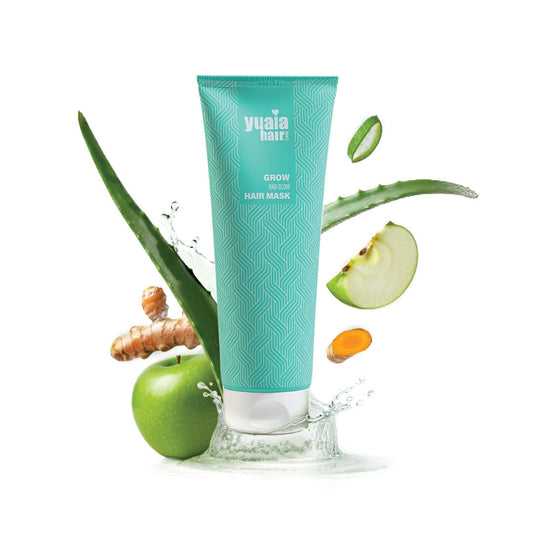
Keeping a hair care journal can be a helpful way to track your progress and make necessary adjustments. Note any changes in your hair's texture, volume, or overall health, and adjust your routine to address any specific concerns that arise over time.
Frequently asked questions
How often should I use scalp oil for hair growth?
The frequency of using scalp oil depends on your hair type and specific needs. For straight or fine hair, once or twice a week is usually sufficient. Curly or coily hair types may benefit from applying scalp oil three to four times a week. Consistency is key to achieving noticeable results.
Can scalp oil replace other hair growth treatments?
Scalp oil should be viewed as part of a holistic approach to hair care. While it plays a significant role in maintaining a healthy scalp environment, it is best used in conjunction with other treatments and practices tailored to your hair's unique needs.
What are the signs of scalp oil working effectively?
Signs that scalp oil is working effectively include improved scalp health, such as reduced dryness and flakiness, as well as enhanced hair condition. You may also notice increased shine, reduced breakage, and a fuller appearance over time.
Ontvang een 10% kortingscode
Ontvang de beste tips en trucs voor je haar van Lotte en Nanna 🥰


