 2-4 dagen levering
 100.000+ tevreden klanten
 Tevredenheidsgarantie












Understanding sebum overproduction
At the heart of rapid grease buildup is often sebum overproduction. Sebum is an oily substance naturally produced by sebaceous glands on the scalp. While it plays a vital role in maintaining scalp health by providing essential moisture, an excess can lead to greasy hair just a day after washing. When these glands become overactive, they produce more sebum than needed, resulting in hair that quickly appears limp and oily.
The effects of overwashing
One of the most common misconceptions is that washing hair frequently will keep it clean and oil-free. However, overwashing can actually strip the hair of its natural oils, prompting the scalp to produce even more sebum to compensate for the loss. This creates a cycle where the more you wash, the greasier your hair becomes. To break this cycle, consider reducing the frequency of your washes and opting for a sulfate-free shampoo that gently cleanses without stripping essential oils.
Habits that contribute to greasy hair
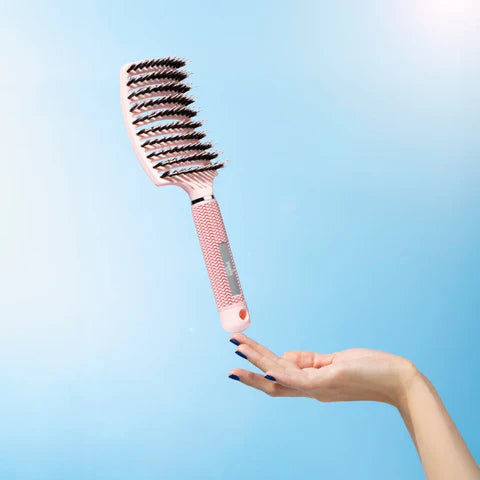
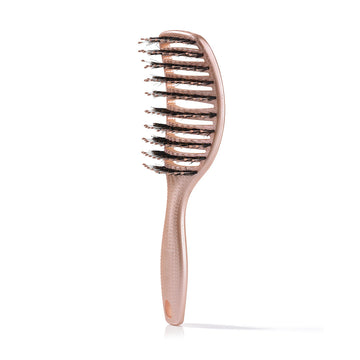
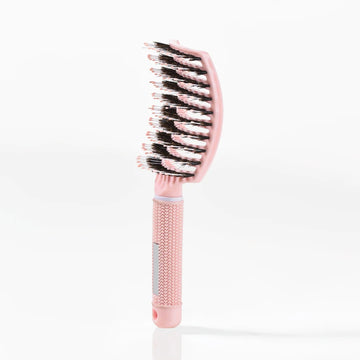
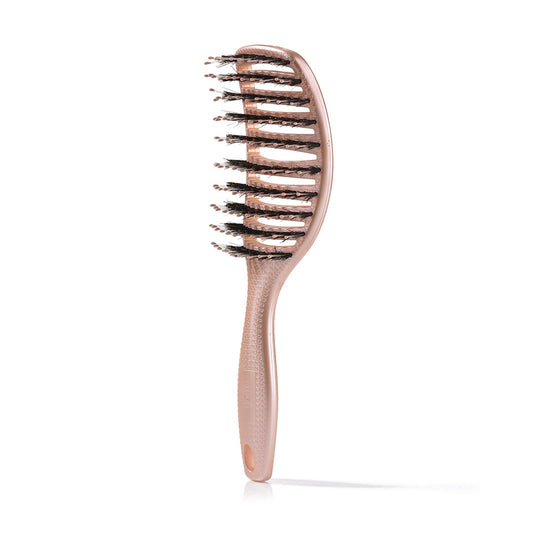
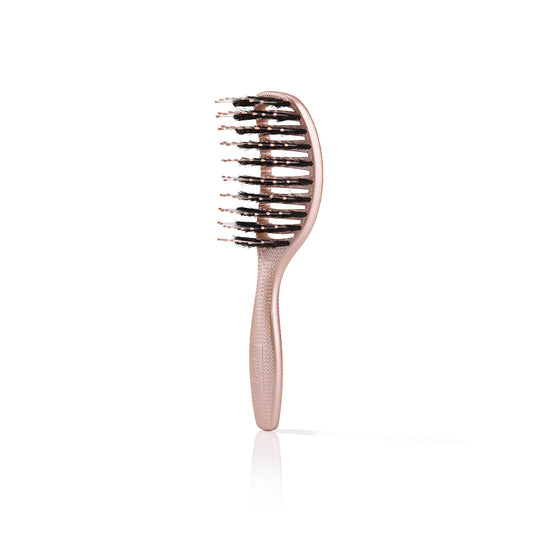
Daily habits can significantly impact how quickly your hair becomes greasy. Constantly touching your hair or brushing it too often can spread oils from the scalp down the hair, making it look greasy. It's important to be mindful of how often you touch or brush your hair. Using a brush designed to distribute oils evenly, like our Curvy Brush, can help manage oil distribution more effectively.
Product buildup and imbalance
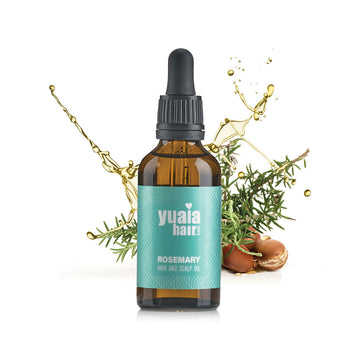
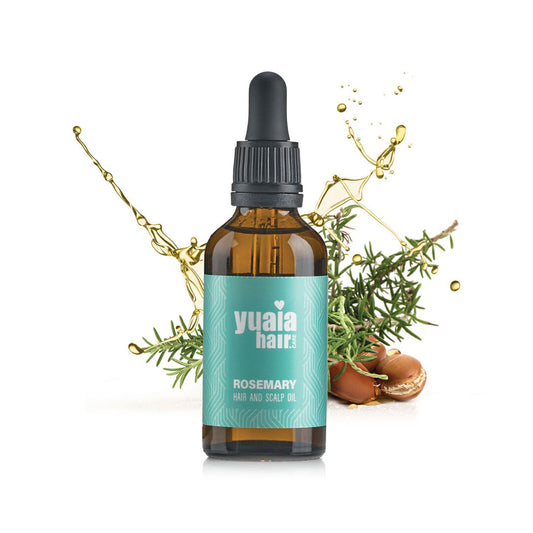
The products you use can also contribute to greasy hair. Heavy conditioners and styling products can leave behind residue, weighing down the hair and making it appear oily. Opt for lightweight, sulfate-free shampoos to help maintain a balanced oil level. Our rosemary hair oil offers a natural way to nourish your hair without adding to the buildup, promoting a healthy scalp environment.
The role of biological factors
Biological factors, such as hormones and hair type, play a significant role in sebum production. Hormonal changes during puberty, pregnancy, or menopause can lead to increased oiliness. Additionally, people with fine or thin hair may notice grease more quickly, as oil travels faster along the hair. Understanding your specific hair type and its needs can help you tailor your hair care routine to manage oil production effectively.
Environmental influences
External factors like diet, stress, and environmental conditions can also contribute to greasy hair. While maintaining a balanced diet is beneficial for overall hair health, stress management can help regulate oil production. Environmental factors, such as humidity and pollution, can exacerbate oiliness, making it important to protect your hair from these elements when possible.
Additional content and FAQs: Practical solutions and common queries
Effective routine adjustments for grease control
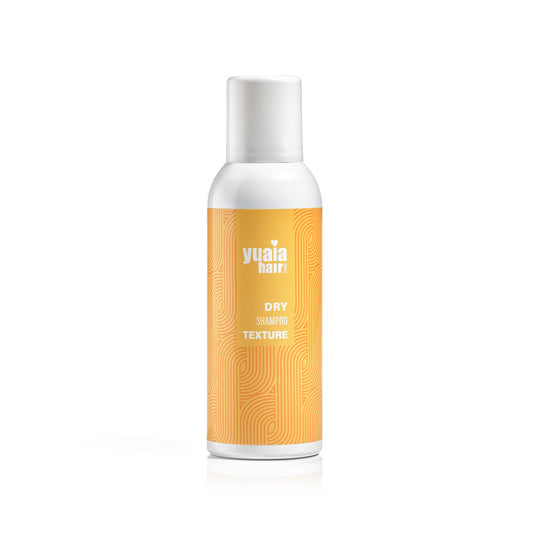
To effectively manage greasy hair, consider making some adjustments to your hair care routine. One effective strategy is to space out your washes, allowing your scalp to regulate its natural oil production without overcompensating. Additionally, using dry shampoo can be a quick fix to absorb excess oil and refresh your hair between washes.
Another helpful tip is to be mindful of how often you touch your hair throughout the day. Each time you run your fingers through your hair, you transfer oils from your hands to your hair, which can contribute to greasiness. Similarly, choosing the right brush can make a difference. A brush with boar bristles, like our Curvy Brush, can help distribute oils more evenly from the scalp down the hair shaft, reducing the appearance of greasy roots.
FAQs: Addressing common concerns about greasy hair
Why does my hair get greasy overnight?
Overnight, your scalp continues to produce oils, which can accumulate and transfer to your hair. Additionally, contact with your pillow can spread these oils, leading to greasy hair by morning.
How can I prevent my hair from getting greasy so quickly?
To prevent your hair from becoming greasy quickly, try to avoid touching it frequently and choose hair products that suit your hair type. Opt for lightweight, sulfate-free shampoos to maintain a healthy oil balance without stripping essential moisture.
Does brushing help or worsen greasy hair?
Brushing can both help and worsen greasy hair, depending on the technique and tools used. While brushing can distribute oils along the hair shaft, over-brushing can stimulate the scalp to produce more oil. Using a boar bristle brush can help manage oil distribution effectively.
Emphasizing the benefits of sulfate-free hair care
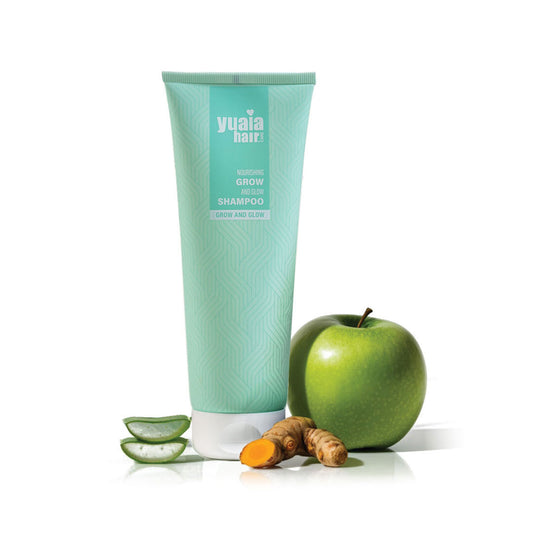
Sulfate-free hair care products, such as our Grow and Glow Shampoo, offer a gentle cleansing experience that helps maintain oil balance. By avoiding harsh sulfates, you can prevent the stripping of natural oils, allowing your scalp to regulate sebum production more effectively. Consider incorporating sulfate-free options into your routine for a natural reset that combats daily grease.


