 Dostawa 2-5 dni
 Ponad 100 000 zadowolonych klientów
 Gwarancja satysfakcji










Proper application techniques
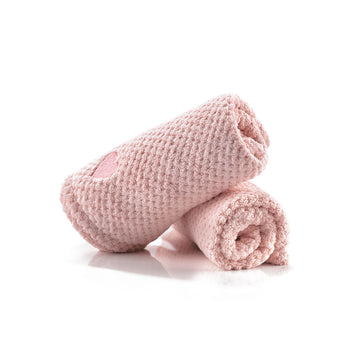
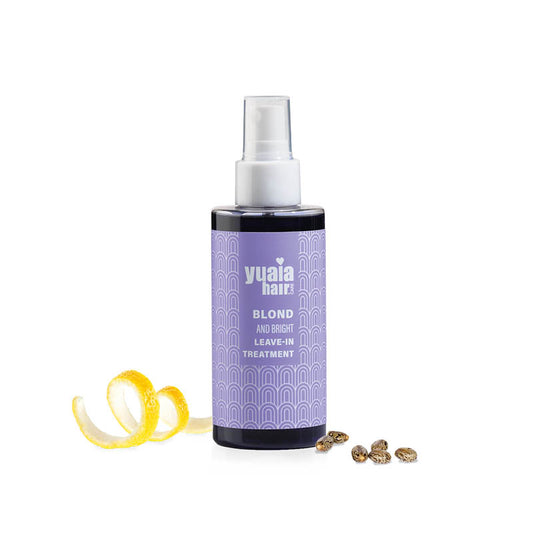
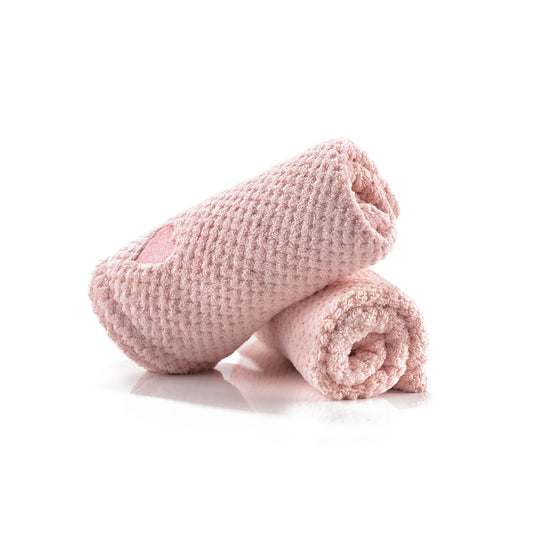
Applying leave-in conditioner correctly is key to maximizing its benefits. Start by gently towel-drying your hair with a microfiber towel to reduce friction and potential damage. This prepares your hair for optimal absorption of the product.
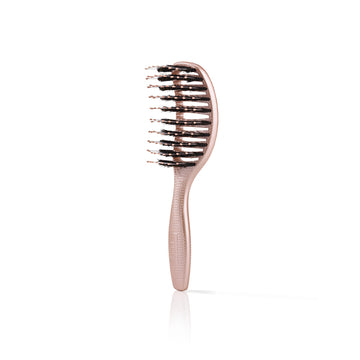
Once your hair is damp, apply a small amount of leave-in conditioner, focusing on the mid-lengths to ends where moisture is most needed. This targeted application helps avoid weighing down the roots. Use a wide-toothed comb to evenly distribute the product, ensuring that each section of hair receives the nourishment it needs. This step also aids in detangling, minimizing breakage and promoting smoothness.
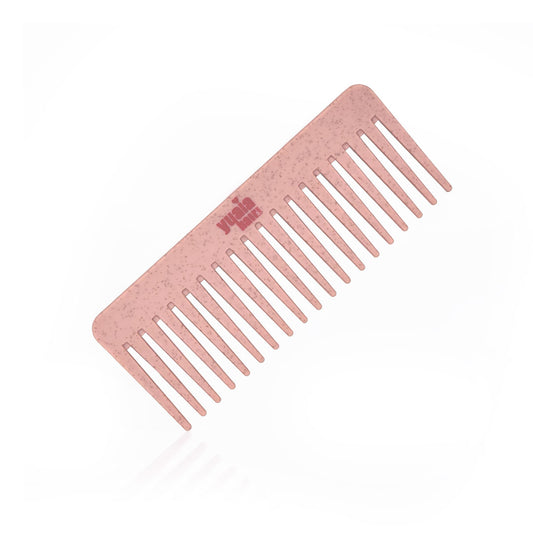
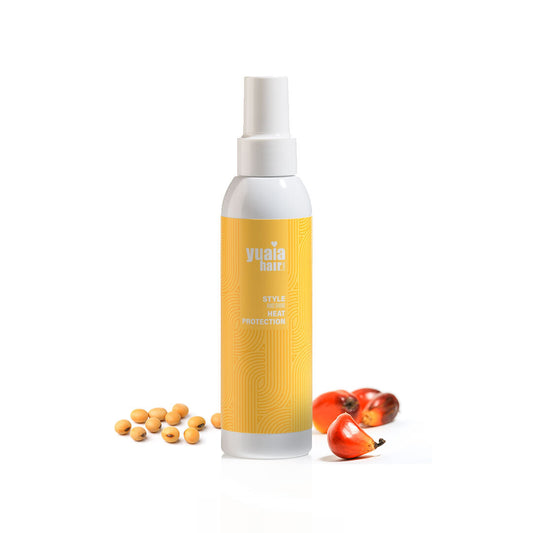
Remember, leave-in conditioners are not meant to be rinsed out. They are designed to remain in the hair, providing continuous hydration and protection throughout the day. For those who frequently style with heat, consider adding a heat protectant spray to your routine for additional defense against thermal damage.
Tailoring leave-in conditioner use to hair type
Understanding your hair type is essential when using leave-in conditioners. For those with low-porosity hair, lightweight formulas are ideal to prevent the hair from becoming limp or greasy. High-porosity hair, which tends to absorb moisture quickly, benefits from the LOC method—layering a leave-in conditioner, followed by oil and cream to lock in hydration.
If your hair is dry or damaged, more frequent use of leave-in conditioner can help restore moisture and improve overall hair health. However, it's important to adjust the amount used based on your hair's thickness and texture. Fine hair requires less product to avoid greasiness, while thicker hair may need a bit more to ensure adequate coverage.
Incorporating a leave-in conditioner into your haircare regimen tailored to your specific hair type can enhance your hair's appearance and health, making it an invaluable step in achieving your desired look.
Myths and clarifications
There's a common misconception that leave-in conditioners can replace rinse-out conditioners entirely. While leave-in conditioners offer many benefits, they do not substitute the foundational moisture and conditioning provided by rinse-out products. It's best to use both types of conditioners in tandem, starting with a rinse-out conditioner to neutralize shampoo ions and prepare the hair for the leave-in treatment.
Another myth is that leave-in conditioners should be washed out. This misunderstanding can lead to missing out on the full range of benefits these products offer. Leave-in conditioners are specifically designed to remain in the hair, providing ongoing moisture, protection, and frizz control without the need for rinsing.
Enhancing your haircare routine
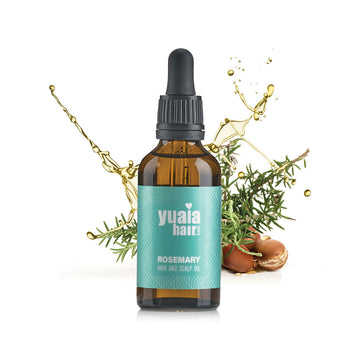
Integrating leave-in conditioners into your haircare routine can significantly boost hair health and appearance. These versatile products work best when paired with other nourishing treatments. For example, using a rosemary hair oil can further enhance moisture retention and scalp health. Additionally, choosing the right shampoo and conditioner, like sulfate-free options, helps prepare your hair for the benefits of leave-in treatments.
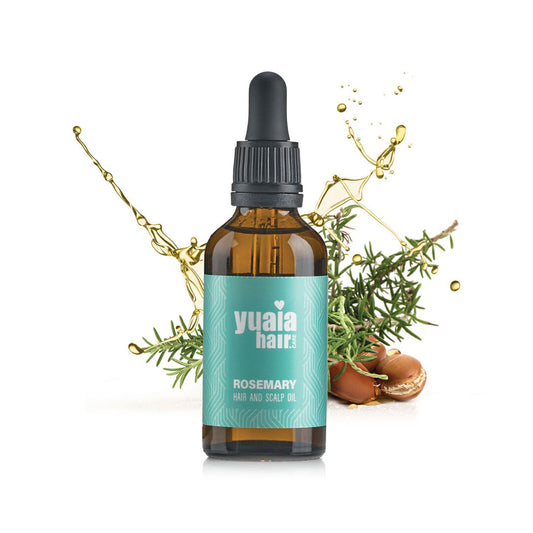
For those who often use heat styling tools, a heat protectant spray is essential to prevent damage. This added layer of protection ensures your hair remains healthy and resilient, complementing the benefits of leave-in conditioners.
FAQs: Common questions about leave-in conditioners
How often should I use leave-in conditioner?
The frequency of use depends on your hair type and condition. Typically, leave-in conditioners can be used after every wash for dry or damaged hair. For fine hair, using it 2-3 times a week may be sufficient to avoid greasiness.
Can I use leave-in conditioner on dry hair?
Yes, leave-in conditioners can be applied to dry hair to refresh and manage frizz between washes. However, for optimal absorption, it is best applied to damp hair.
Do I need to use a rinse-out conditioner with a leave-in conditioner?
Yes, while leave-in conditioners provide ongoing benefits, they do not replace the foundational moisture provided by rinse-out conditioners. Using both ensures your hair receives comprehensive care.


