 Dostawa 2-5 dni
 Ponad 100 000 zadowolonych klientów
 Gwarancja satysfakcji







Does hot water damage your hair? Uncover the truth behind heat and hair health

przez Nanna Bundgaard | 14. January 2026 | Czas czytania: 5 protokół
Przeczytaj więcej o autorzeHot showers are a daily indulgence for many, offering a moment of relaxation and warmth. However, a pressing question lingers: Does hot water damage your hair? This concern is rooted in the potential for dryness and damage, sparking widespread debate and misconceptions.
What are the effects of hot water on hair?
Hot water is known to dissolve the natural oils, or sebum, that protect and moisturize the hair. This can lead to dryness, making hair more susceptible to breakage. For those with oily scalps, this oil stripping can trigger a cycle of overproduction, leading to more frequent washing.
How does heat impact hair structure?
Heat affects the hair cuticles by opening them up, which exposes the hair cortex. This can lead to protein loss and reduced moisture retention, affecting the hair's elasticity and shine. Over time, this structural impact can leave hair looking dull and feeling brittle.
Does hot water affect scalp health?
Beyond the hair strands, hot water can irritate the scalp, causing redness, itching, and potential pH imbalance. While there's no direct link to hair loss from typical showers, these irritations can weaken the hair shafts, making them more prone to breakage.
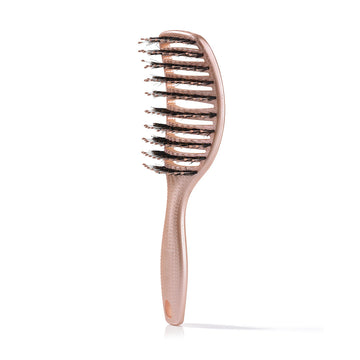
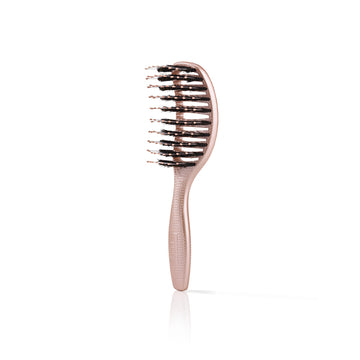
For those concerned about the effects of hot water, adjusting the shower temperature and adopting a haircare routine that supports the hair's natural balance can be beneficial. Consider using a sulfate-free shampoo to gently cleanse without stripping essential oils, and explore the benefits of a boar bristle brush for minimizing damage when detangling.
Debunking myths: Hair loss and hot water
One of the most persistent myths surrounding hot water and hair is the idea that it directly causes hair loss. It's important to distinguish between hair breakage and root-level hair loss. Hot water primarily affects the hair shaft, weakening it and making it more prone to breakage. This can give the appearance of hair loss, but it does not affect the hair follicles directly.
While hot water can weaken hair over time, it does not cause the hair to fall out from the root. The notion that hot showers lead to baldness is a misconception. Instead, the damage is more about the brittleness and increased shedding of weakened hair. This is a stark contrast to the intense heat from styling tools, which can directly burn and damage the hair if not used carefully.
Best practices for protecting hair from heat damage
To protect your hair from the potential damage caused by hot water, consider adjusting your shower habits. Using lukewarm water instead of hot can significantly reduce the risk of stripping away natural oils and opening up hair cuticles excessively. This simple change helps maintain moisture and reduces the likelihood of breakage.
Furthermore, incorporating a cold rinse at the end of your shower can be beneficial. Cold water helps seal the hair cuticles, which can enhance shine and improve moisture retention. This technique is particularly useful for those looking to maintain a healthy, glossy appearance.
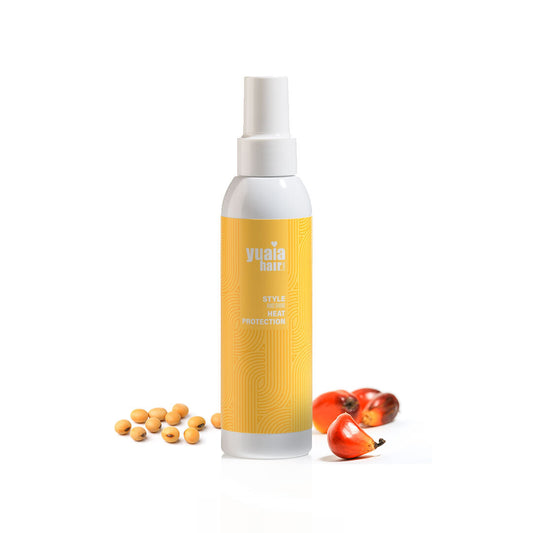
For those who frequently expose their hair to heat, whether from water or styling tools, using a heat protectant spray is advisable. This product forms a protective barrier around the hair, minimizing the damaging effects of heat and helping to preserve its integrity.
Gentle haircare solutions
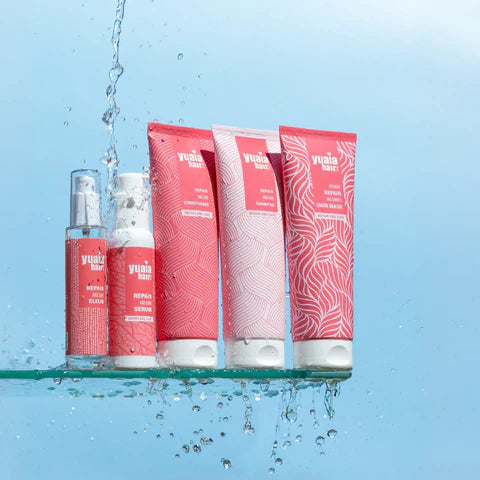
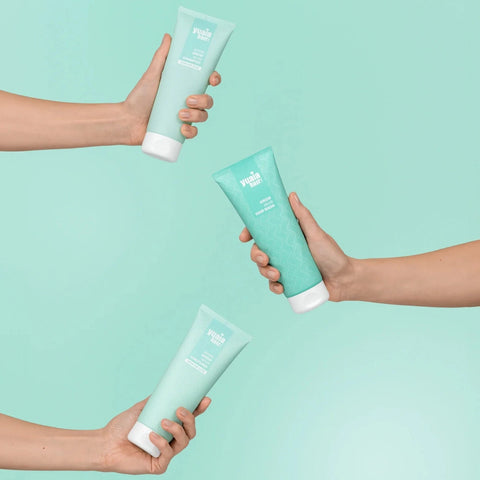
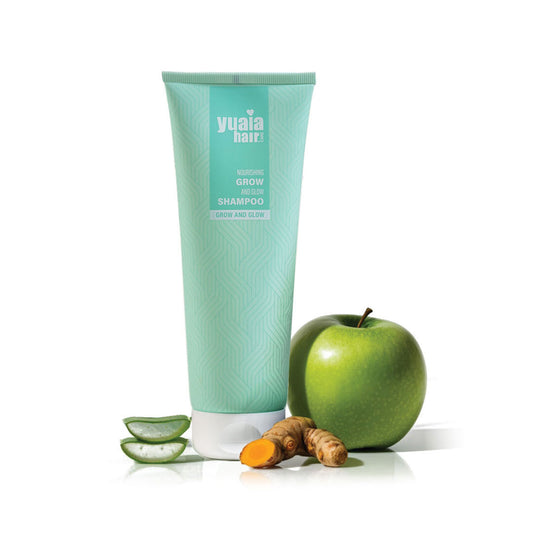
Incorporating gentle haircare products into your routine can also play a significant role in mitigating heat damage. Our sulfate-free shampoos, such as the Grow and Glow shampoo, offer a restorative option for heat-stressed hair. These formulations cleanse without stripping essential oils, helping to maintain a healthy sebum balance.
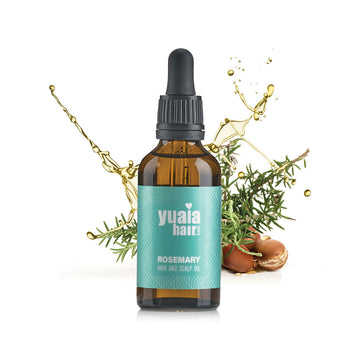
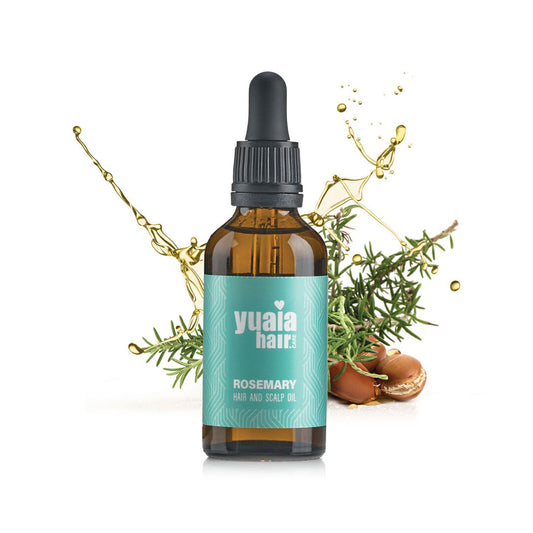
Additionally, using a rosemary hair oil can provide nourishing benefits. This oil is designed to support hair health by adding moisture and enhancing shine, making it an excellent choice for those looking to repair and protect their hair from heat-related damage.
Get a 10% discount code sent to you
Receive the best tips and tricks for your hair from Lotte and Nanna 🥰
Additional considerations for hair health
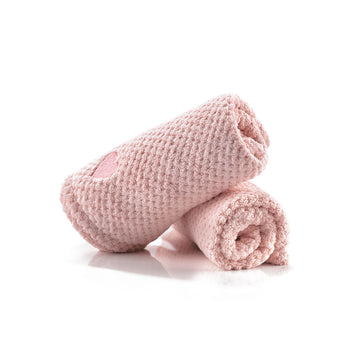
While adjusting water temperature and using protective products are important steps in maintaining healthy hair, there are other factors to consider. The type of towel you use, for instance, can make a significant difference. Opting for a microfiber towel to gently dry your hair can reduce friction and minimize damage compared to traditional towels. This helps maintain the integrity of your hair cuticles, reducing the risk of breakage and frizz.
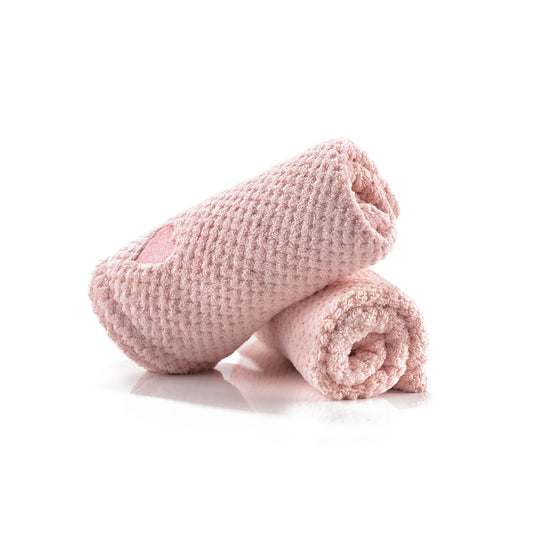
Ręcznik mikrofibry na włosy
Super-Absorbent Microfibre skraca czas suszenia i skraca puszenie i pęknięcie.45,00 zł 92,00 zł
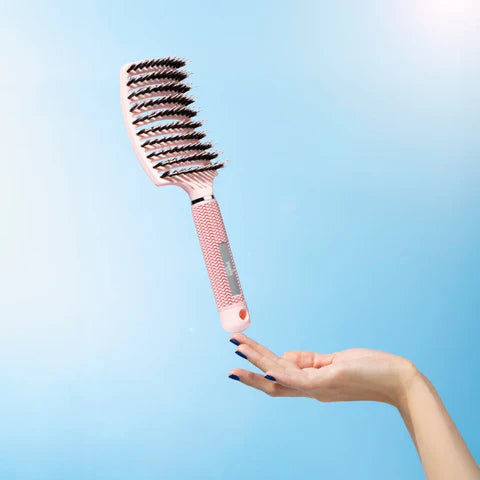
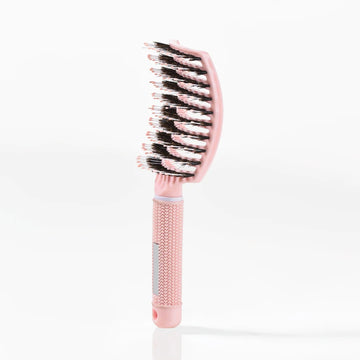
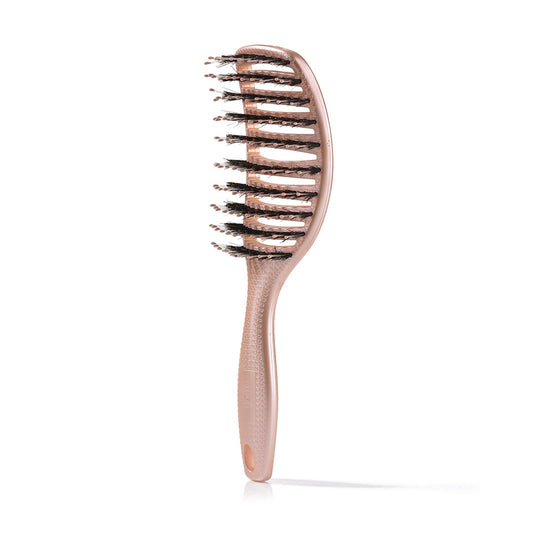
Another aspect to consider is how you detangle your hair. Using a gentle brush, like our Curvy Brush, can aid in minimizing damage. The boar bristles are effective for distributing natural oils from the scalp throughout your hair, promoting shine and reducing breakage.
Frequently asked questions
Does hot water cause hair thinning?
Hot water can lead to hair breakage, making it appear thinner, but it does not directly cause hair thinning at the root level. The damage is more about weakening the hair shaft rather than affecting the follicles.
How can I prevent damage if I love hot showers?
If you enjoy hot showers, try alternating with cooler water or ending with a cold rinse. Additionally, using protective hair products, such as our rosemary hair oil, can help mitigate some of the damage by adding moisture and enhancing shine.
Is there a difference between hot water and styling tool damage?
Yes, there is a difference. Hot water primarily affects the hair shaft by opening cuticles and dissolving natural oils, leading to dryness and breakage. In contrast, styling tools apply direct heat, which can cause more immediate and severe damage to the hair, such as burning and protein denaturation.
Uzyskaj wysłany do Ciebie 10% kodu rabatowego
Otrzymuj najlepsze wskazówki i porady dotyczące włosów od Lotte i Nanna 🥰


