2-5 Tage Lieferung
 Trusted Shop Garantie
 Zufriedenheitsgarantie












Benefits for hair health
When it comes to enhancing hair health, both castor oil and coconut oil offer unique benefits that cater to different needs. Understanding these can help you choose the right oil for your hair type and goals.
Hair growth and thickness
Castor Oil: Many users claim that castor oil can stimulate hair follicles, potentially leading to thicker hair. This belief is largely anecdotal, but the oil's high content of ricinoleic acid is thought to improve circulation to the scalp, which may support healthier hair growth over time.
Coconut Oil: While coconut oil doesn't directly stimulate hair growth, it is highly effective at reducing breakage and protecting against protein loss. Its ability to penetrate the hair shaft helps to fortify hair, making it an excellent choice for those looking to prevent damage and maintain length.
Moisturizing capabilities
Castor Oil: Known for its deep hydration properties, castor oil is particularly beneficial for those with dry scalps. Its thick, viscous nature helps to seal in moisture, making it a great option for combating dryness and flakiness.
Coconut Oil: Coconut oil is celebrated for its ability to penetrate the hair shaft, providing lightweight moisture that leaves hair shiny and smooth. Its antifungal properties can also help manage dandruff, making it a versatile choice for maintaining scalp health.
Application and suitability by hair type
Choosing between castor oil and coconut oil often depends on your hair type and how you prefer to apply these oils.
Castor oil usage
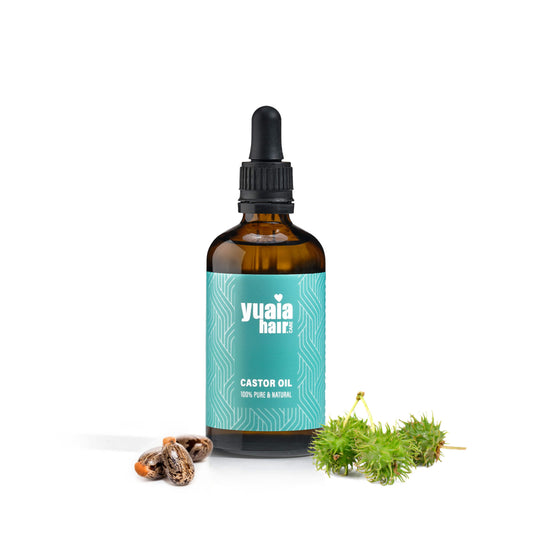
Castor oil's thick texture can make it challenging to rinse out, so it's often recommended to dilute it with a lighter carrier oil. Applying it directly to the scalp or using it as a pre-shampoo treatment can maximize its benefits without leaving a greasy residue. It's particularly beneficial for dry, frizzy, or dandruff-prone hair.
Coconut oil usage
Thanks to its lightweight nature, coconut oil is easily absorbed and leaves no residue, making it suitable for frequent application, especially on hair ends. It's ideal for normal to oily hair types, providing excellent breakage prevention and shine enhancement.
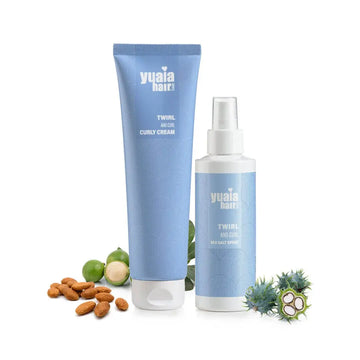
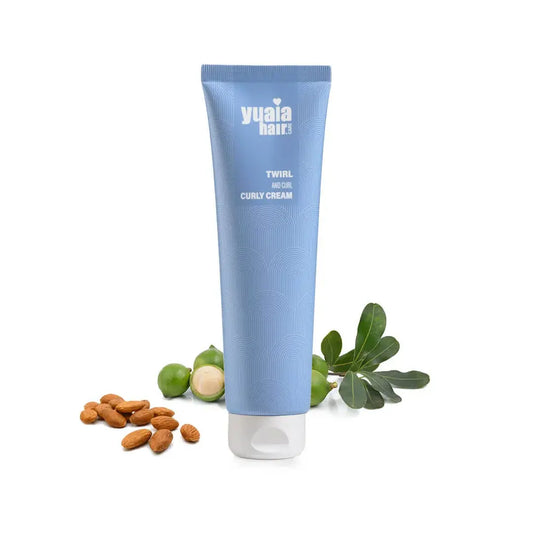
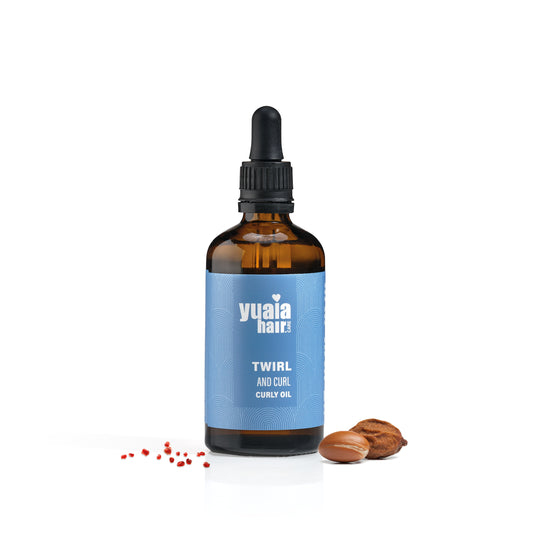
For those with curly hair, our Twirl and Curl curly cream can be a beneficial addition to your hair care routine, helping to define curls while maintaining moisture.
Hair type recommendations
- Castor Oil: Best suited for individuals with dry, frizzy, or dandruff-prone hair due to its intense moisturizing and scalp-soothing properties.
- Coconut Oil: Ideal for those with normal to oily hair types, focusing on breakage prevention and maintaining hair shine.
Practical tips for use
When using natural oils like castor oil and coconut oil, it's important to understand how to maximize their benefits through proper application and frequency. Here are some practical tips to help you get the most out of each oil.
Mixing and diluting oils
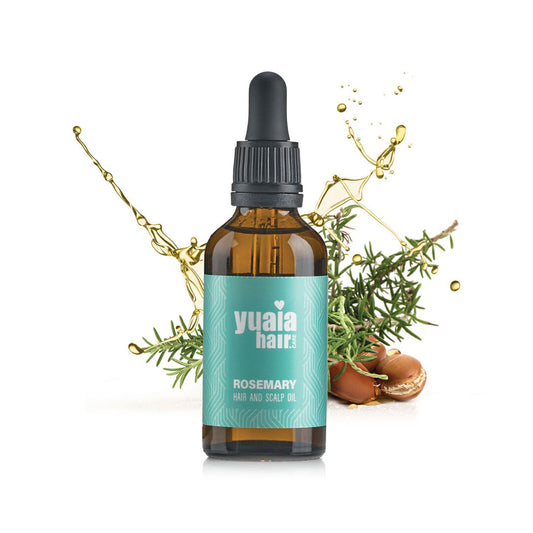
For those who find castor oil too thick, diluting it with a lighter oil such as jojoba or almond oil can make application easier and enhance its benefits. This mixture can be applied directly to the scalp to help with hydration and scalp health. Coconut oil, on the other hand, can be mixed with essential oils like rosemary to add a pleasant scent and boost its conditioning properties.
Frequency of use
The frequency of application depends on your hair type and condition. For dry or frizzy hair, using castor oil once or twice a week can help maintain moisture and reduce flakiness. Coconut oil can be used more frequently, such as two to three times a week, especially if you have oily or normal hair types. Its lightweight nature makes it ideal for regular use without weighing down the hair.
Frequently asked questions
Can both oils be used together?
Yes, combining castor oil and coconut oil can provide a balanced approach to hair care. The thicker castor oil can offer deep hydration and scalp benefits, while coconut oil can enhance shine and prevent breakage. Mixing them in equal parts can create a nourishing treatment suitable for various hair types.
Is there scientific evidence supporting these oils?
Scientific research supports the effectiveness of coconut oil in reducing protein loss and breakage. Studies have shown that it can decrease hair breakage by up to 41.8%. Castor oil, while lacking extensive scientific backing for hair growth, is widely used for its moisturizing and anti-inflammatory properties, which can contribute to overall hair health.
How do these oils compare to commercial hair products?
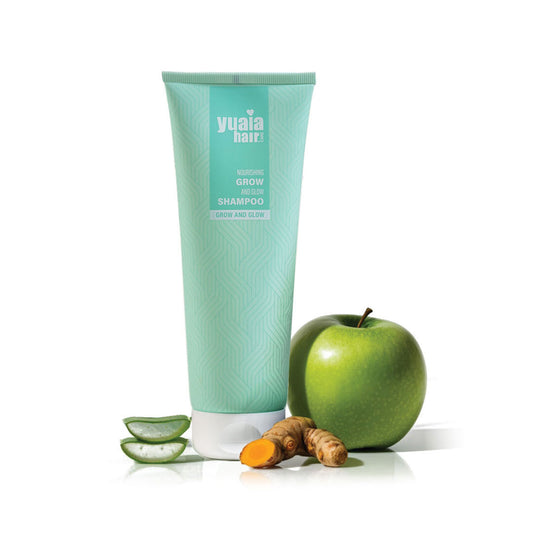
Natural oils like castor and coconut offer a chemical-free alternative to many commercial hair products. While commercial products may provide immediate results, natural oils contribute to long-term hair health without the risk of harmful additives. For those seeking similar benefits without the weight of oils, our Grow and Glow Shampoo offers a sulfate-free option that nourishes the hair while maintaining its natural strength and shine.