 2-5 Tage Lieferung
 Trusted Shop Garantie
 Zufriedenheitsgarantie









Factors affecting drying time
Hair thickness and length
Thicker and longer hair can significantly prolong drying time due to its ability to retain more water. The increased surface area of longer hair means that water clings more effectively, making it seem like the drying process is never-ending. This is especially true for those with waist-length hair, which can take over two hours to air dry fully.
Hair texture and density
Curly or coily hair textures are particularly prone to trapping moisture within their bends, leading to longer drying times compared to straight hair, where water can easily flow off. Additionally, dense hair, characterized by a higher number of hairs per scalp area, can slow down airflow, further extending the drying period.
Hair porosity
Hair porosity plays a crucial role in drying time. Low porosity hair, with its tightly packed cuticles, tends to dry slower because it repels moisture, making it difficult for water to evaporate quickly. A simple home test to determine hair porosity involves placing a hair in a glass of water; if it floats, you likely have low porosity hair.
Environmental factors
Humidity and temperature are significant environmental factors that influence drying time. High humidity levels slow down evaporation, making hair take longer to dry. Conversely, dry, warm air can speed up the process. Optimizing your drying conditions based on the weather, such as using a fan or standing near an open window, can help manage these effects.
Natural solutions for faster drying
Optimizing hair care routine
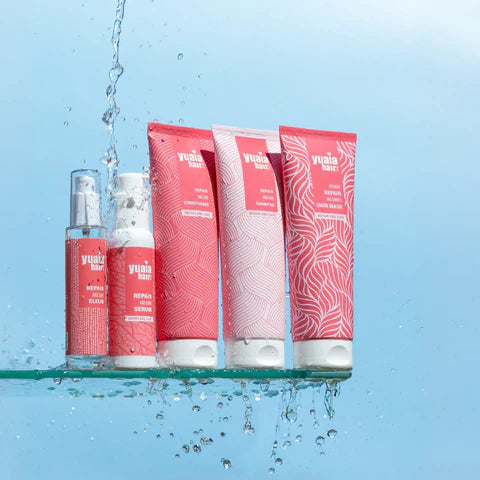
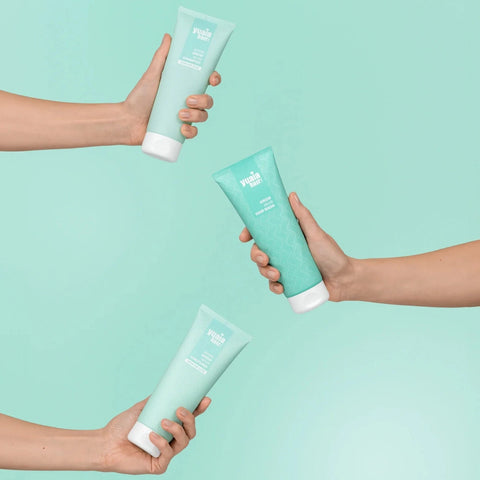
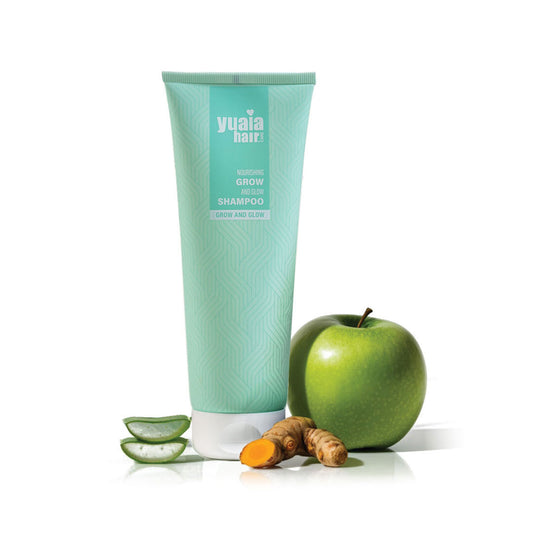
To enhance drying efficiency, consider using sulfate-free, silicone-free shampoos and conditioners that prevent buildup, which can weigh hair down and extend drying time. For instance, our Grow and Glow shampoo is ideal for fine or greasy hair, ensuring a clean, lightweight feel that promotes quicker drying.
Effective drying techniques
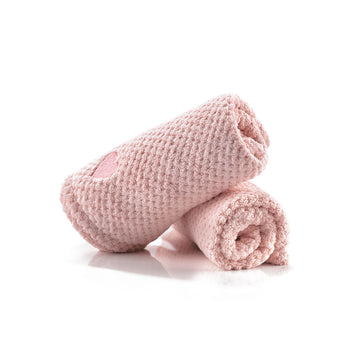
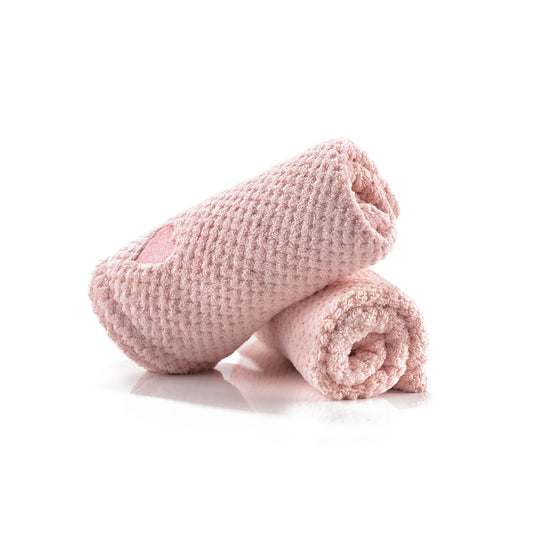
When drying your hair, blotting with a microfiber towel instead of rubbing can reduce frizz and speed up drying. This gentle technique helps remove excess water without causing damage. Additionally, air-drying with strategic airflow, such as standing near a fan or an open window, can significantly reduce drying time.
Product recommendations
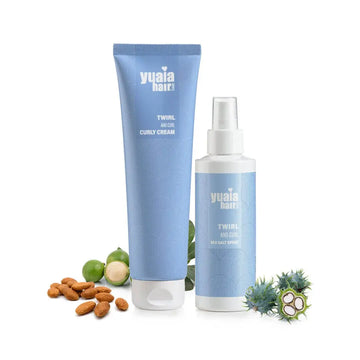
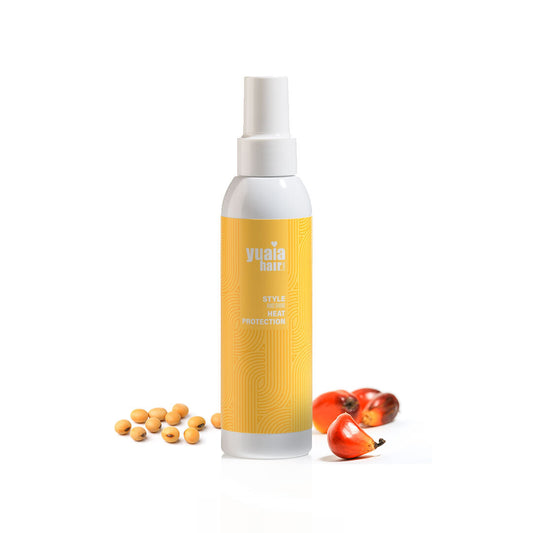
Lightweight styling products can enhance drying without adding unnecessary weight to your hair. If blow-drying is necessary, using a heat protectant spray can minimize damage while improving drying efficiency. This spray not only protects against heat but also helps in achieving a faster drying process.
Additional tips for managing drying time
Brushing and detangling
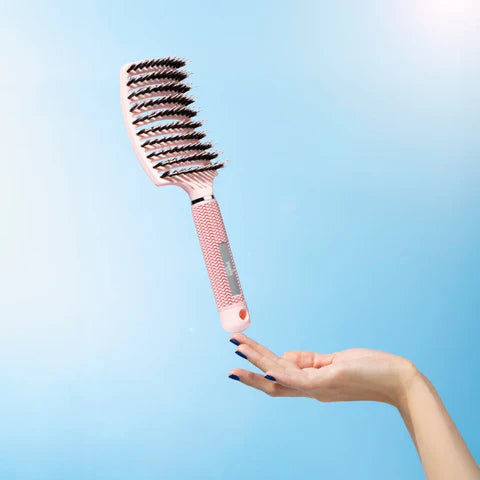
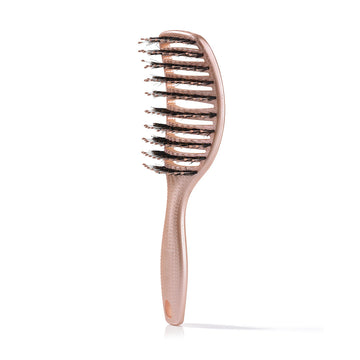
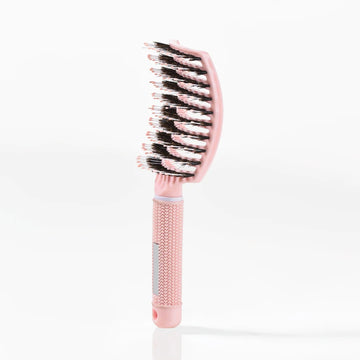
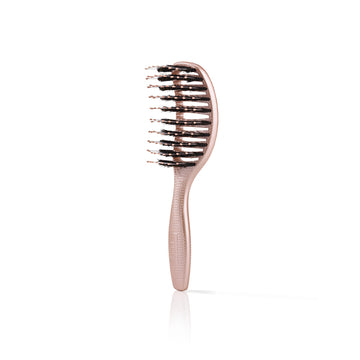
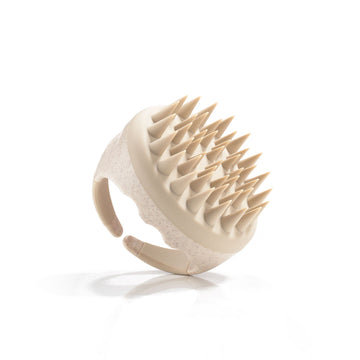
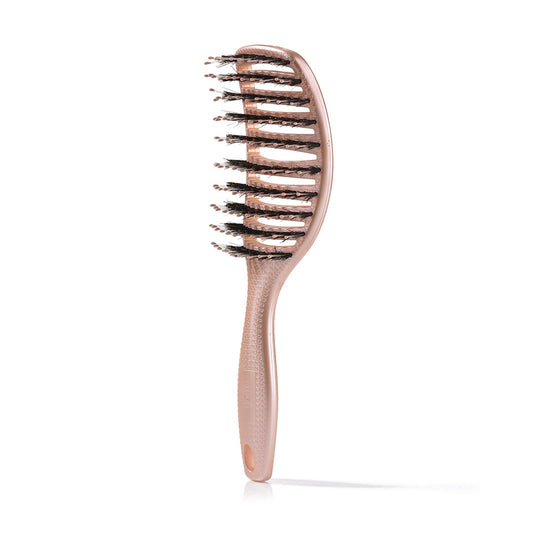
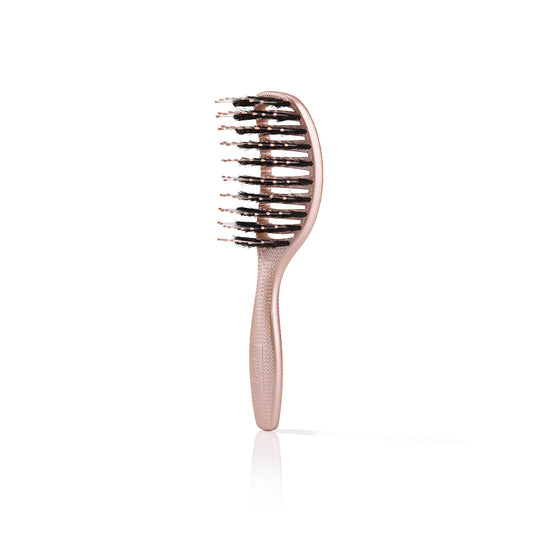
Using the right brush can significantly aid in faster drying by evenly distributing moisture throughout the hair and reducing tangles. A brush like our Curvy Brush can help in achieving these results. Its design allows for smooth detangling without causing breakage, which can speed up the drying process.
Adapting to environmental conditions
Adjusting your hair care routine based on the season and humidity levels can make a noticeable difference in drying time. During humid months, consider spending more time in air-conditioned environments or using a dehumidifier to help evaporate moisture more quickly. In contrast, during drier months, you might find that air-drying is more efficient.
Avoiding heavy products
To prevent your hair from taking longer to dry, it's important to be cautious with the use of heavy conditioners or oils. These products can weigh hair down and trap moisture, prolonging the drying time. Opt for lightweight alternatives that provide nourishment without the added weight.
Frequently asked questions
What are the best practices for air-drying hair?
To air-dry hair effectively, start by gently blotting excess water with a microfiber towel. Use lightweight products that won't weigh your hair down. Allow your hair to dry in a well-ventilated area, and consider using a fan to increase airflow.
How can I determine my hair's porosity?
To test your hair's porosity, place a clean strand of hair in a glass of water. If it floats, your hair has low porosity. If it sinks, your hair is high porosity. Understanding your hair's porosity can help tailor your hair care routine for better drying results.
Does using a blow dryer always mean faster drying?
While blow dryers can speed up drying, the specifications of the dryer, such as airflow speed, play a significant role. Using a dryer with the right balance of heat and airflow can reduce drying time without causing damage to your hair.


