 2-5 day delivery
 25.000+ satisfied customers
 Satisfaction Guarantee










Cold showers vs. hot showers: A comparative look
When it comes to hair care, the temperature of your shower can make a significant difference. Cold showers and hot showers have distinct impacts on your hair's cuticles and overall health. Understanding these differences can help you make informed decisions about your hair care routine.
Cuticles and shine
Cold water is known for its ability to seal hair cuticles, which are the outer layers of hair. When these cuticles are closed, they lock in moisture, resulting in smoother and shinier hair. This sealing effect reduces frizz and brittleness, giving your hair a healthier appearance. In contrast, hot water opens the cuticles, which can lead to damage, dullness, and increased frizz.
Hydration and oil retention
Cold showers are gentle on your scalp's natural oils, preserving them and preventing the dryness often caused by hot water. This retention of natural oils helps maintain your hair's hydration, reducing the risk of itchiness and dandruff. Hot showers, on the other hand, can strip away these oils, leading to dry and brittle hair.
Scalp health and comfort
Cold showers can improve scalp health by enhancing circulation. The initial constriction of blood vessels caused by cold water is followed by increased blood flow once you warm up again. This process may aid in nutrient delivery to the scalp, although it doesn't directly promote hair growth. However, comfort is an important consideration; while cold showers can be invigorating, they may not be ideal in colder climates where a warm shower feels more comfortable.
Practical tips for incorporating cold showers into your hair care routine
Cold rinse technique
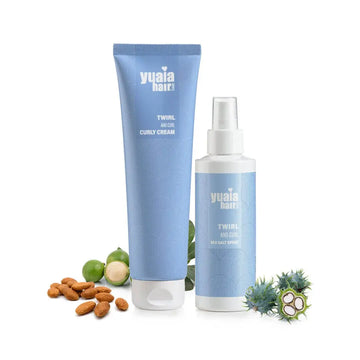
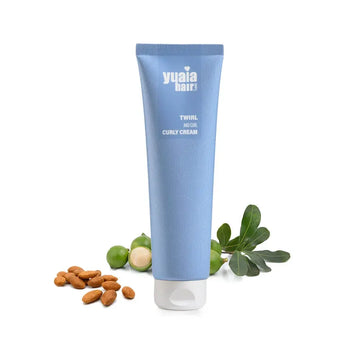
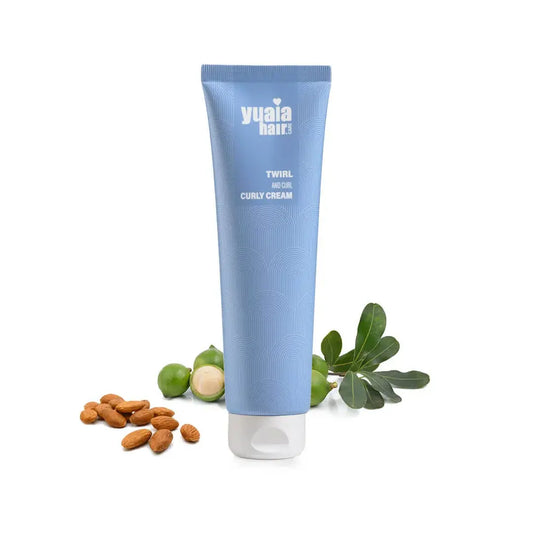
Incorporating a cold rinse into your hair washing routine can be simple and effective. After washing your hair with your regular shampoo and conditioner, switch to cold water for the final rinse. This helps to seal the cuticles, locking in moisture and enhancing shine. For those with curly hair, using our Twirl and Curl curly cream after a cold rinse can further define curls and reduce frizz.
Enhancing conditioner efficacy
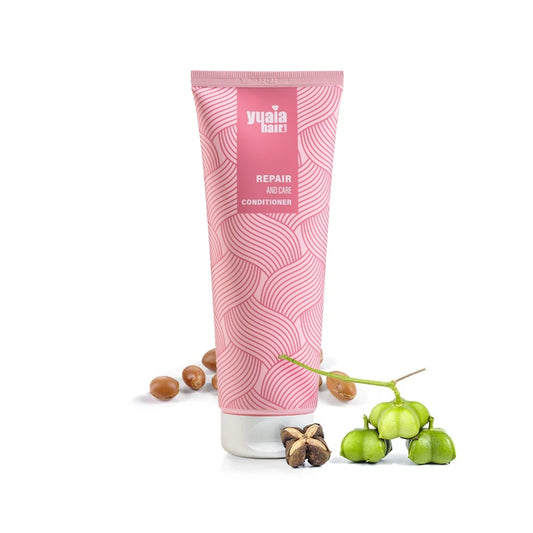
A final cold rinse can also enhance the performance of your conditioner. By closing the cuticles, a cold rinse helps to lock in the moisture and nutrients provided by the conditioner, leaving your hair feeling softer and more manageable.
Frequency and balance
While cold showers offer numerous benefits, it's important to find a balance that works for you. Incorporate cold rinses a few times a week to start, gradually increasing frequency as you become more accustomed to the temperature. Remember, a healthy diet supports hair health, so consider this as part of your overall hair care strategy.
For those who want to protect their hair while sleeping, consider using a bamboo pillowcase. This can help reduce friction and maintain your hair's natural oils overnight, complementing the effects of your cold shower routine.

Common questions about cold showers and hair health
Do cold showers help with hair growth?
While cold showers can improve scalp circulation, which might aid in nutrient delivery, there is no direct evidence linking them to increased hair growth. The benefits of cold showers are more related to enhancing the overall health and appearance of hair by sealing cuticles and preserving natural oils.
Can cold showers make hair greasy?
Cold showers themselves do not make hair greasy. However, if your hair already tends to be oily, a cold shower might not remove excess oil as effectively as a warmer rinse. To avoid a greasy feeling, ensure you are using a suitable shampoo that cleanses without stripping away essential oils. Our Rosemary oil can help balance oil production while nourishing the scalp.

Integrating cold showers with sulfate-free hair care
For those looking to maximize the benefits of cold showers, pairing them with sulfate-free hair care products can be an excellent strategy. Sulfate-free shampoos and conditioners help preserve the natural oils of the scalp, enhancing the effects of cold showers. This combination can lead to healthier, more hydrated hair.

Addressing misconceptions and limitations
It's important to note that the benefits of cold showers are mostly temporary and require consistent hair care practices to maintain. While cold showers can enhance shine and moisture retention, they may also reduce hair volume or leave it feeling flat if overused. For those with fine or curly hair, it's essential to balance cold showers with products that support your specific hair type.
Frequently asked questions
How often should I take cold showers for hair benefits?
You can start by incorporating a cold rinse into your routine a few times a week. As you become accustomed to the temperature, you may increase the frequency based on your comfort and hair's response.
Are there any drawbacks to cold showers?
While cold showers offer several benefits, they may not be comfortable for everyone, especially in colder climates. Additionally, if overused, they might reduce hair volume or cause a greasy feeling for those with oily hair. It's important to find a balance that works for you.


