 2-5 day delivery
 100.000+ satisfied customers
 Free delivery over £49











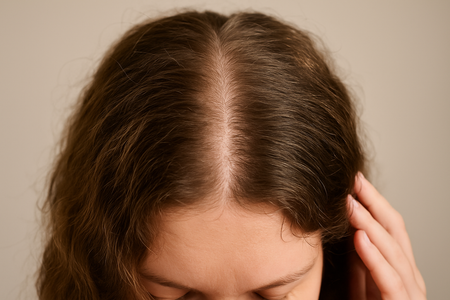

Dry, oily or a combination?
Roots that become greasy quickly may reflect sebum and product residue. A dry scalp may feel tight and flake, but itching and flakes can also occur with other conditions. Consider discomfort, washing habits and products together.
Find your own washing interval
Wash when your scalp and hair need it, for example when roots feel oily, sweat is uncomfortable or products have built up. Fine, straight hair with an oily scalp may need daily washing. Dry, coarse or curly hair can often be washed less frequently. Change one thing at a time and consider both your scalp and your lengths.
Can you train your hair to be less oily?
Hair training often means extending the time between washes to encourage the scalp to produce less sebum. You can adapt your washing routine, but you should not expect your scalp to learn to make less oil simply because you wash less often. A two-to-four-week schedule is not a guarantee of less greasy hair. If a new routine leaves less residue or improves the lengths, better rinsing, different products or less conditioner near the roots may also explain the change. Try one adjustment at a time. Wash when your scalp needs it rather than putting up with oil, itching or discomfort to reach a certain number of days. Fine, straight hair with an oily scalp may need daily washing.
How to wash gently
Wet your hair thoroughly with comfortably lukewarm water. Apply shampoo to the scalp, massage gently with your fingertips and rinse well. The shampoo running through the lengths is often enough for them. A second wash can help with heavy residue but is not needed every time. Use a scalp brush lightly and avoid scrubbing an irritated scalp.
When to adjust your routine
If roots become oily quickly, consider more frequent washing or fewer heavy products near the scalp. If lengths feel dry, focus shampoo on the scalp and give lengths more conditioning. Persistent itching, pain, sores or clear irritation deserve a scalp assessment rather than simply changing your washing interval.
Gentle care and help for persistent symptoms
Follow the instructions if you use dandruff shampoo. A cosmetic oil or serum is not automatically a treatment for dandruff or a skin condition. Ask a pharmacist or doctor if unsure. Persistent or severe itching, redness, swelling, sores or pain should be assessed professionally.
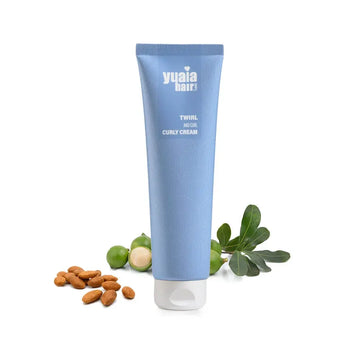
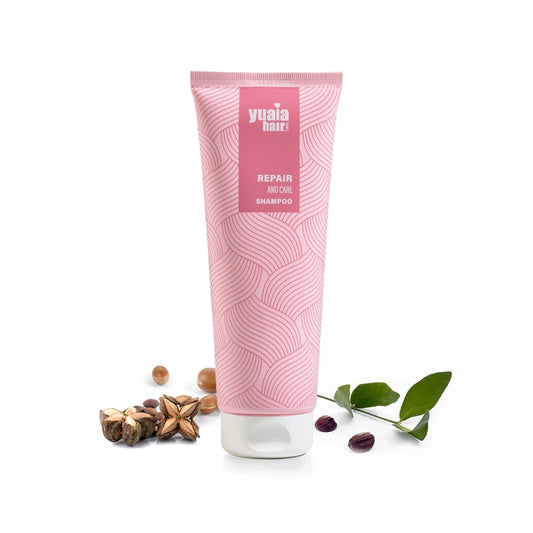
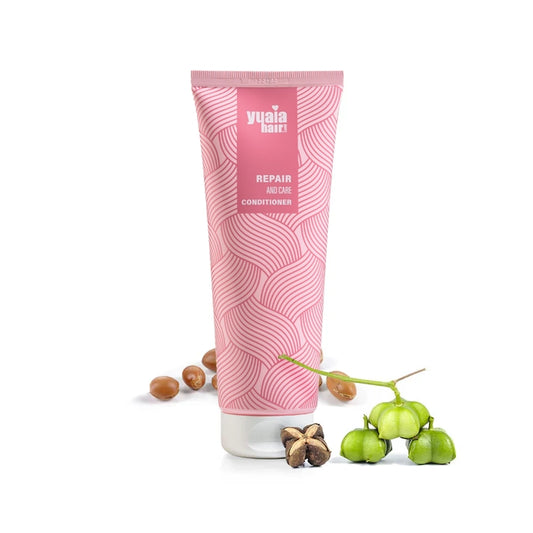
Products: use only what your hair needs




Frequently asked questions
Can flakes alone tell me what the problem is?
Dry skin develops when skin loses too much water. Dandruff is a common flaking condition that can also occur on oily skin. Skin conditions can cause similar symptoms. Flake colour and size do not provide a reliable diagnosis.
When should I get help?
Follow the instructions if you use dandruff shampoo. A cosmetic oil or serum is not automatically a treatment for dandruff or a skin condition. Ask a pharmacist or doctor if unsure. Persistent or severe itching, redness, swelling, sores or pain should be assessed professionally.


