 2-5 day delivery
 100.000+ satisfied customers
 Satisfaction Guarantee











Embrace natural remedies for hair repair
Oil treatments
Natural oils are a fantastic way to infuse your hair with much-needed hydration and shine. Oils such as coconut and olive are popular choices for their ability to deeply moisturize and nourish. For an even more targeted approach, consider our rosemary hair oil, which is designed to enhance your hair's natural health and vitality. Simply apply a few drops to your scalp and hair, massage gently, and leave it on for at least 30 minutes before washing it out.

DIY hair masks
Creating your own hair masks at home can be both an effective and economical way to repair damaged hair. Ingredients like bananas and eggs are rich in nutrients that can help improve hair elasticity and strength. A simple recipe involves mashing one ripe banana and mixing it with an egg yolk. Apply this mixture to your hair, let it sit for about 20 minutes, and then rinse thoroughly. This treatment can enhance the natural resilience of your hair.
Gentle drying techniques
How you dry your hair can significantly impact its health. Instead of using heat, opt for air-drying whenever possible. If you need to remove excess water quickly, a microfiber towel is a better alternative to traditional towels as it reduces friction and minimizes damage. This gentle approach helps maintain your hair's natural texture and prevents further breakage.

Preventive measures and daily care
Protective styling
Adopting protective hairstyles is a smart way to shield your hair from daily wear and tear. Styles such as braids or buns not only protect the ends of your hair but also reduce the stress on your hair, helping to prevent breakage. These styles can be both practical and stylish, allowing you to maintain healthy hair while looking great.
Gentle brushing techniques
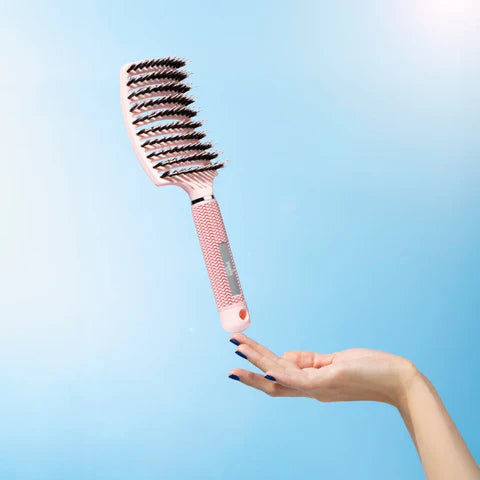
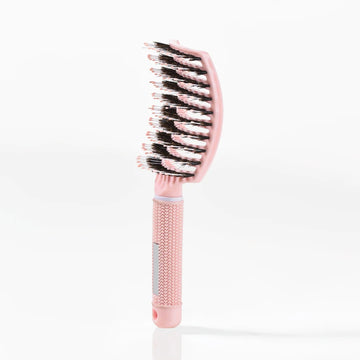
Brushing your hair the right way is crucial to maintaining its health. It's important to use a tool that minimizes breakage, such as our Curvy Brush. With its boar bristles, this brush helps distribute natural oils throughout your hair, enhancing shine and smoothness. Start brushing from the ends and work your way up to avoid unnecessary pulling and tangling.

£21.99
Heat protectant use
When you decide to return to heat styling, using a heat protectant spray is essential to prevent future damage. This spray creates a protective barrier against high temperatures, reducing the risk of split ends and frizz. Always apply it evenly to your hair before using any heat styling tools to ensure maximum protection.

Common mistakes to avoid in your hair care routine
When aiming to repair damaged hair without cutting it, it's important to be aware of certain common mistakes that can hinder your progress. By avoiding these pitfalls, you can enhance the effectiveness of your hair care routine and promote healthier hair growth.
Overwashing and harsh products
One of the most common mistakes people make is washing their hair too frequently. Overwashing can strip your hair of its natural oils, leading to dryness and further damage. Instead, aim to wash your hair two to three times a week using gentle, sulfate-free shampoos and conditioners. This approach helps maintain the natural moisture balance of your hair.
Tight hairstyles
While protective styles are beneficial, excessively tight hairstyles can cause stress on your hair follicles, leading to breakage and potential hair loss. Opt for looser styles that do not pull on your hair, and consider using accessories that are gentle on your strands. For instance, using a microfiber towel instead of a regular towel can reduce friction and minimize damage.
Creating a personalized hair care routine
Developing a hair care routine tailored to your specific needs is essential for repairing damaged hair without cutting it. Start by assessing your hair type and the level of damage you are dealing with. This will help you choose the right products and techniques to use in your routine.
Assess your hair type and damage level
Understanding your hair type—whether it's curly, straight, fine, or coarse—will guide you in selecting the most suitable products and treatments. Additionally, evaluate the extent of the damage. Is it primarily due to heat styling, chemical treatments, or environmental factors? This assessment will inform your choice of remedies and preventive measures.
Use of targeted treatments
Incorporating targeted treatments into your routine can make a significant difference in repairing damaged hair. For example, using our rosemary hair oil can provide deep nourishment and promote hair health. Regularly applying treatments that address your specific concerns will help restore your hair's natural vitality.
Frequently asked questions
What are the main causes of hair damage?
Hair damage is commonly caused by excessive heat styling, chemical treatments, and rough handling. Environmental factors such as sun exposure and pollution can also contribute to hair damage.
Can split ends be repaired without cutting?
While split ends cannot be permanently repaired, they can be managed with serums and regular trims to improve their appearance. Using products that smooth and seal the hair can help reduce the visible impact of split ends.


