 2-5 day delivery
 100.000+ satisfied customers
 Free delivery over £49












Signs it may be time for a trim
Look for visibly split or frayed ends, a style that has lost its shape, or ends that keep tangling despite gentle detangling. Dryness or frizz alone does not necessarily mean several centimetres must be removed. Have the ends assessed and distinguish a need for conditioning from hair that needs cutting.
Washing and conditioning without unnecessary friction
Wash according to your scalp's needs and product use. Distribute shampoo gently and avoid rubbing the lengths together. Use conditioner as directed, especially where hair tangles. A gentle formula and suitable amount matter more than judging a product solely by whether it contains silicones or sulphates.
What can a hair mask do?
A mask can supplement your routine and leave dry lengths softer and easier to detangle. Follow the processing time and rinsing instructions. Roughness alone is not a test for protein deficiency, and adding more treatments does not automatically improve the result.
Oil on the lengths is an optional extra
A small amount of hair oil can add a smoother feel and shine. Use a product intended for the purpose and follow its directions. Oil does not permanently glue broken strands or split ends together, and this is not a treatment for hair loss.
Reduce heat and repeated processing
Choose lower heat and fewer passes over the same area. Use heat protection as directed; it does not make hair immune to heat damage. If hair already snaps, ask a hairdresser to assess it before further bleaching, perming or chemical straightening.
Brushing, drying and hairstyles
Work in small sections, easing knots out from the ends upwards without pulling. Adapt detangling to hair type: straight hair may benefit from drying a little first, while curly hair is often easier to detangle damp with conditioner. Press water out with a towel rather than rubbing, and loosen a style if it pulls or hurts.
Trimming and realistic repair
Care can improve the surface and feel, but a snapped strand cannot be permanently joined back together. Worn or split ends may need trimming. Agree the amount with a hairdresser based on damage and your desired length. Trimming does not change growth speed at the root.
Products: use only what your hair needs
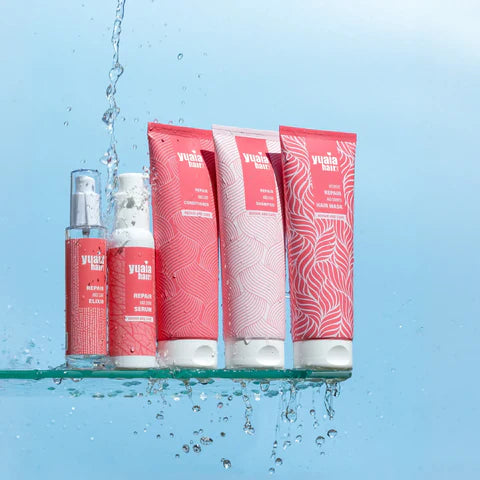
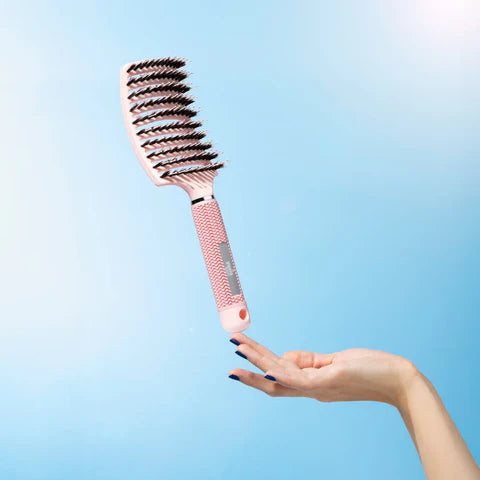
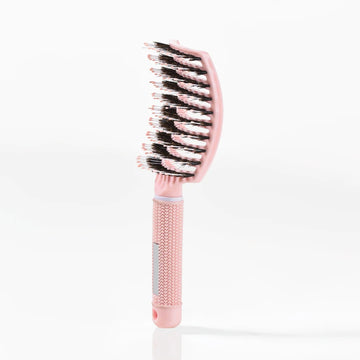
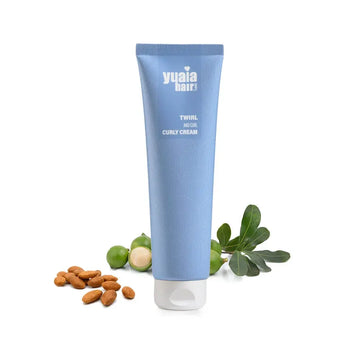
These products cover different steps in a routine. They are not all hair oils or suitable for the same use. Choose according to your needs and follow each product's instructions; a scalp brush is an optional tool.


£21.99



Frequently asked questions
Can a hair mask repair split ends?
Conditioning can temporarily improve their appearance and feel, but a mask cannot permanently rejoin split ends.
How many centimetres should be removed?
There is no single number. Agree with your stylist according to damaged areas and the length you want to retain.
Do frequent trims make hair grow faster?
No. Trimming can remove worn ends but does not change the growth rate from the scalp.


