 2-4 day UK delivery
 25.000+ satisfied customers
 Satisfaction Guarantee









DIY hair masks and treatments
Natural hair masks are an excellent way to infuse your hair with moisture and nutrients, helping to repair damage over time. Using ingredients readily available in your kitchen, these treatments can be both effective and affordable.
Aloe Vera and Honey Mask: Aloe vera is renowned for its soothing properties, while honey acts as a humectant, retaining moisture in the hair. To create this mask, mix four tablespoons of fresh aloe vera gel with two tablespoons of honey. Apply this blend to your hair and scalp, leave it on for about 30 minutes, and rinse thoroughly. This mask is particularly beneficial for repairing scalp cells and addressing sun damage.
Avocado, Yogurt, and Honey Mask: This combination provides essential moisture and strengthens hair bonds. Avocado is rich in healthy fats, while yogurt offers proteins that fortify the hair. Blend half an avocado with two tablespoons of yogurt and one tablespoon of honey. Apply the mixture to your hair, focusing on the ends, and leave it for 20 minutes before rinsing. Regular use can help restore brittle hair.
Banana Treatment: Bananas are packed with silica, which helps reduce frizz and boosts hair thickness. Mash one ripe banana and apply it to your hair, covering it with a shower cap. Let it sit for 20 minutes before rinsing with lukewarm water. This treatment can be used weekly for best results.
Egg Mask: Eggs are a rich source of protein, crucial for repairing damaged hair. Use egg yolks for dry hair types and egg whites for oily hair. Beat the eggs and apply them to your hair, leaving the mask on for 15-20 minutes. Rinse with cool water to avoid cooking the eggs in your hair.
Supportive hair care practices
Incorporating supportive hair care practices into your routine can significantly enhance the effectiveness of your DIY treatments.
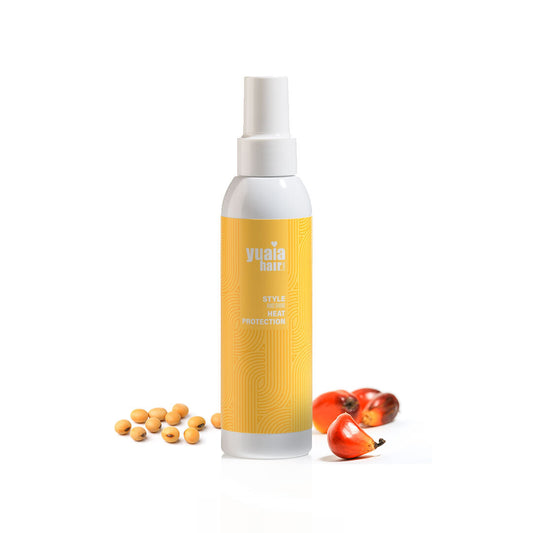
Trimming and Avoiding Heat: Regular trims help remove split ends, preventing further damage. Additionally, minimizing the use of heat styling tools can protect your hair from further harm. If you must use heat, always apply a heat protectant spray to shield your hair.
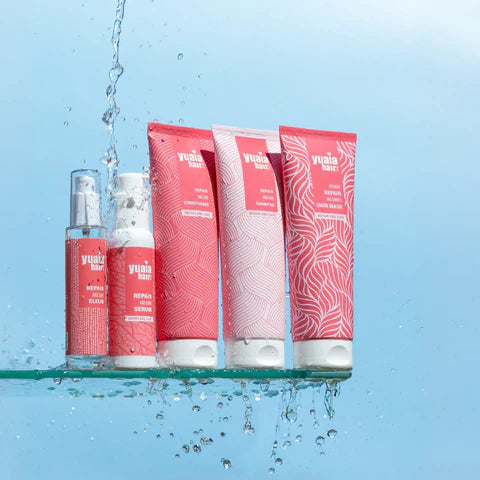
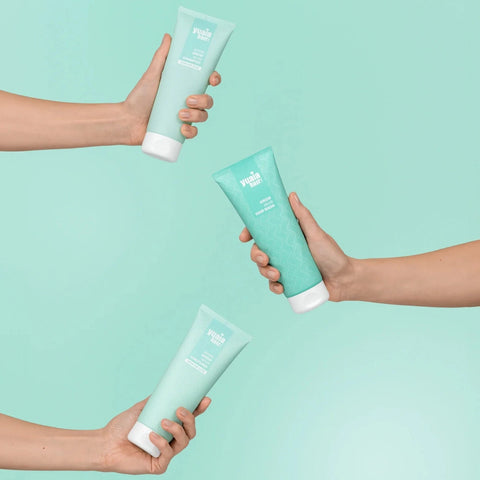
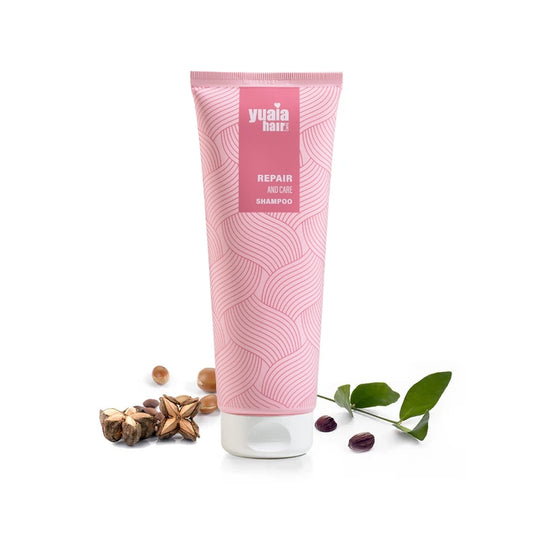
Gentle Shampooing: Opt for sulfate-free shampoos to maintain your hair's natural oils. Our Grow and Glow shampoo is ideal for those with thinning or greasy hair, while our Repair and Care shampoo is perfect for dry or damaged hair.
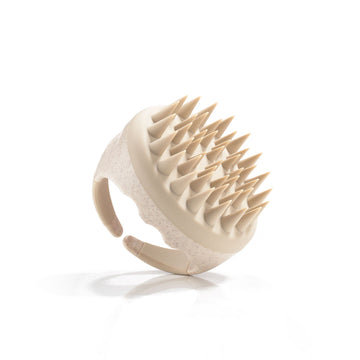
Scalp Massages: Regular scalp massages can improve circulation, promoting overall hair health. Use gentle circular motions with your fingertips to stimulate blood flow and encourage hair growth.
Additional tips for natural hair repair
Achieving healthier hair doesn't stop at applying masks and oils. Incorporating thoughtful hair care practices into your routine can support and enhance the benefits of your DIY treatments.
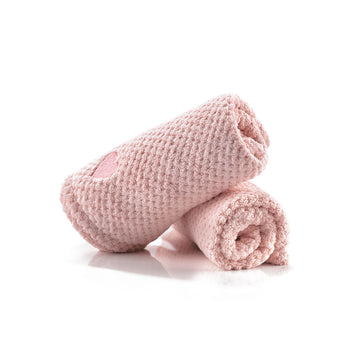
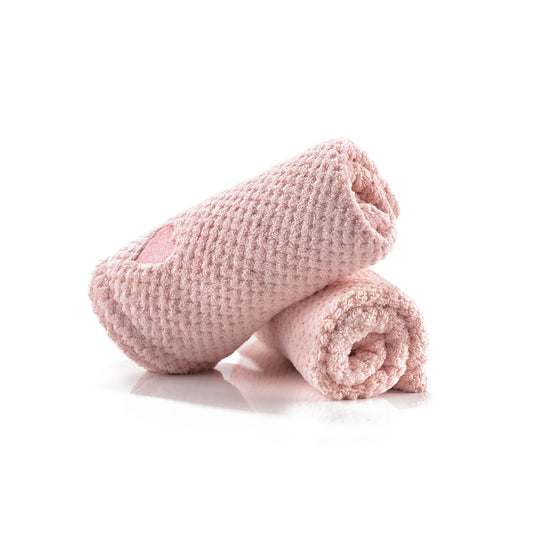
Air drying techniques: Allowing your hair to air dry is a gentle way to maintain moisture and prevent heat damage. After washing, gently squeeze out excess water with a microfiber towel to reduce frizz and breakage. Avoid rubbing your hair, as this can lead to further damage.
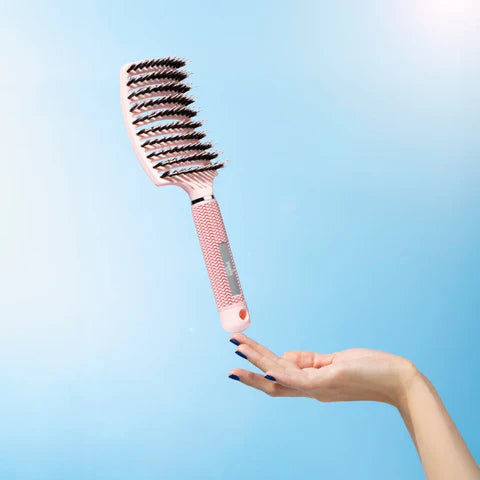
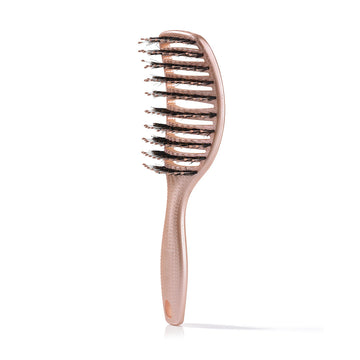
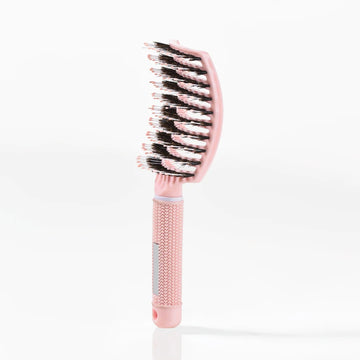
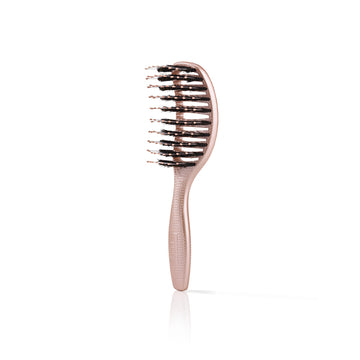
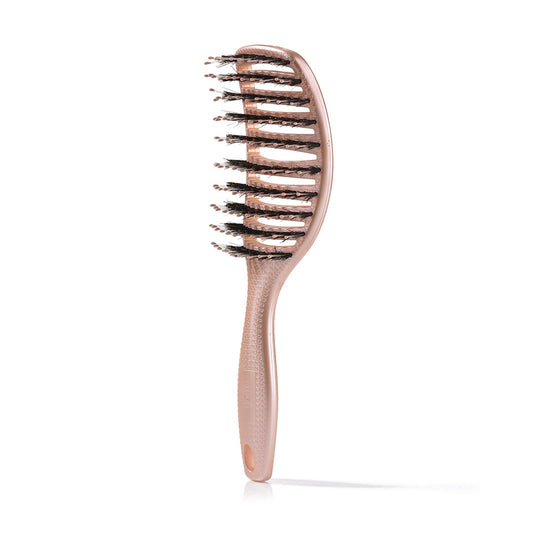
Brushing and detangling: Using a boar bristle brush, such as our Curvy Brush, can help distribute natural oils throughout your hair, adding shine and reducing stress on the strands. Start detangling from the ends and work your way up to avoid pulling and breaking your hair.
Rinses and clarifying treatments: Apple cider vinegar rinses can help balance your hair's pH and remove product buildup. To make a rinse, mix one part apple cider vinegar with two parts water and pour it over your hair after shampooing. Let it sit for a few minutes before rinsing thoroughly. This can be done once a week to maintain clarity and shine.
Frequently asked questions
What is the best way to apply oil to damaged hair?
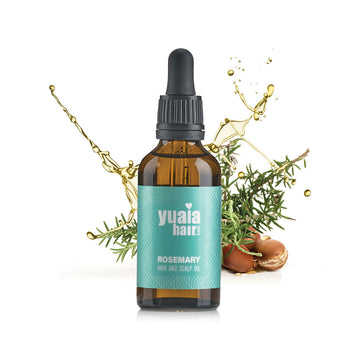
For the best results, warm the oil slightly and apply it to dry hair as a pre-shampoo treatment. Focus on the ends and mid-lengths, where damage is usually more pronounced. You can also leave the oil on overnight for deeper penetration and wash it out in the morning.
How often should I use DIY hair masks?
Using DIY hair masks once a week is generally recommended for noticeable improvements. Consistency is key, so regular application will help in restoring moisture and strength to your hair over time.


