 2-5 day delivery
 100.000+ satisfied customers
 Free delivery over £49












Gentle detangling techniques and tools
Proper detangling techniques are essential for maintaining smooth, tangle-free hair. Begin by gently working through wet hair with your fingers, which helps to loosen knots without causing breakage. Follow this by using a wide-toothed comb, starting from the ends and gradually moving upwards towards the roots. This method minimizes stress on the hair and helps prevent further tangling.

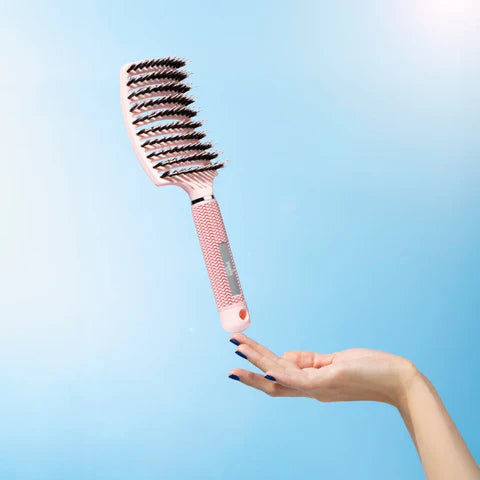
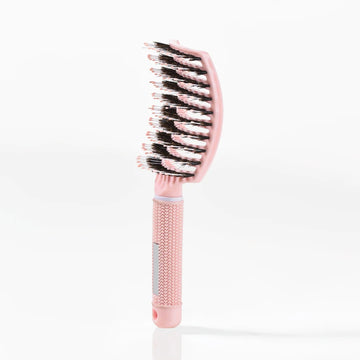
Brushing your hair before washing can also be an effective way to reduce tangles. It helps to remove loose hair and detangle any knots that could worsen during shampooing. For a more thorough detangling experience, consider using our Curvy Brush. Its boar bristles are designed to glide through hair gently, reducing the risk of breakage and maintaining hair health.
Reduce friction during drying and sleeping
Friction is a common cause of tangling, particularly during drying and sleeping. Instead of vigorously rubbing your hair with a towel, opt for a microfiber towel to gently squeeze out excess water. This method reduces friction and helps prevent tangles. Additionally, using a bamboo pillowcase can significantly minimize friction while you sleep, keeping your hair smooth and manageable.

To further protect your hair overnight, consider loosely braiding it or tying it in a bun. This simple step keeps your hair in place and reduces the likelihood of knots forming as you move during sleep.
Lifestyle adjustments for healthier hair
Incorporating certain lifestyle changes can also aid in reducing hair tangling. Regular trims every 4-6 weeks help remove split ends, which can contribute to tangling. Reducing the use of heat styling and always applying a heat protectant spray when necessary can also protect your hair from damage and dryness that lead to tangles.

During physical activities, securing your hair can prevent tangles caused by movement and sweat. Consider using snag-free hair ties or headbands to keep your hair in place without causing breakage.
Lifestyle adjustments for healthier hair
A few lifestyle adjustments can help keep your hair smooth and tangle-free. Regular trims are important, as they help to remove split ends that can contribute to tangling. Scheduling a trim every 4-6 weeks can make a significant difference in maintaining hair health. Additionally, minimizing the use of heat styling tools is beneficial. When heat styling is necessary, always apply a heat protectant spray to shield your hair from damage and dryness that can lead to tangles.
During physical activities, securing your hair can prevent tangles caused by movement and sweat. Opt for hair ties that do not snag or break the hair to keep it in place without causing damage.
Curly hair considerations
Curly hair requires specific care to prevent tangling. Detangling with your fingers is often more effective than using a comb or brush, as it allows you to handle curls more gently. Protective styles, such as twists or braids, can help maintain curl definition and minimize tangling. When washing, sectioning the hair ensures thorough detangling and even distribution of moisture, which is essential for curly hair.
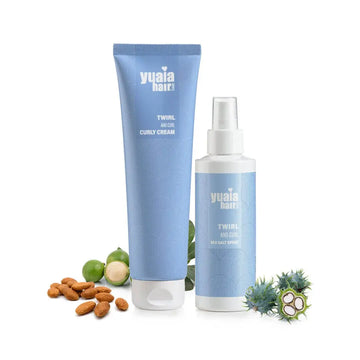
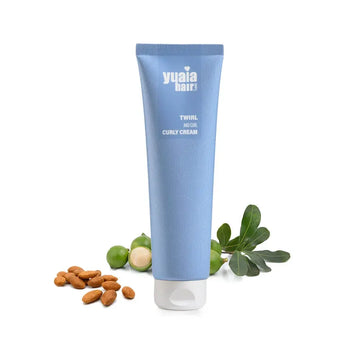
For those with curly hair, using products specifically made for curls can enhance manageability. At Yuaia Haircare, we offer the Twirl and Curl curly cream, which helps define curls and reduce tangling.
Frequently asked questions
How often should I condition my hair to prevent tangling?
Conditioning your hair after every wash is recommended to prevent tangling. Focus on applying conditioner to the ends, where tangles are more likely to form.
What are the best detangling methods for children’s hair?
For children's hair, use a gentle approach by starting with fingers to loosen knots, followed by a wide-tooth comb. It's best to detangle when the hair is damp and conditioned to reduce breakage.
Can certain hairstyles reduce the risk of tangling during the day?
Yes, hairstyles such as braids, buns, or ponytails can keep hair organized and reduce the risk of tangling throughout the day. These styles help minimize friction and movement that can cause knots.
Is it necessary to change pillowcases for better hair health?
Using a bamboo pillowcase can reduce friction while you sleep, helping to maintain smoother, tangle-free hair. Bamboo is a great choice for those looking to improve hair health overnight.


