 2-5 day delivery
 25.000+ satisfied customers
 Satisfaction Guarantee











How does blow drying affect hair?
Blow drying, when done correctly, can offer benefits that air drying cannot. However, it's essential to understand the impact of heat on hair and how to mitigate potential damage. The primary concern with blow drying is the risk of heat damage. High temperatures can cause the hair cuticle to become rough and dry, leading to breakage and split ends. Yet, when executed with the right techniques, blow drying can actually help seal the cuticle, making the hair appear smoother and shinier.
One of the significant advantages of blow drying is the ability to control the drying process. It allows for faster drying times, which can be particularly beneficial for individuals with thick or oily hair. This method also facilitates styling and volume control, providing a polished look that air drying might not achieve. To minimize heat damage, always use a heat protectant spray before blow drying. This product helps shield the hair from high temperatures, preserving its health and shine.

Hair type-specific recommendations
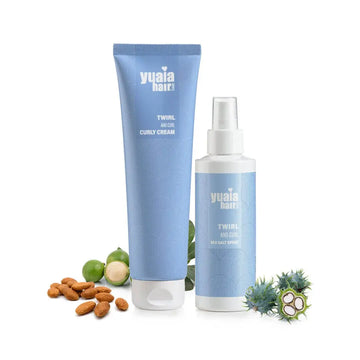
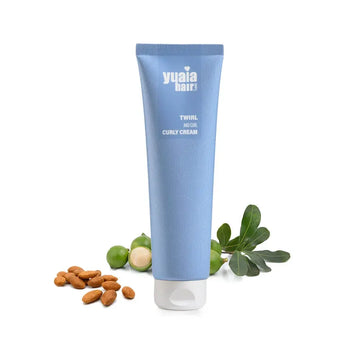
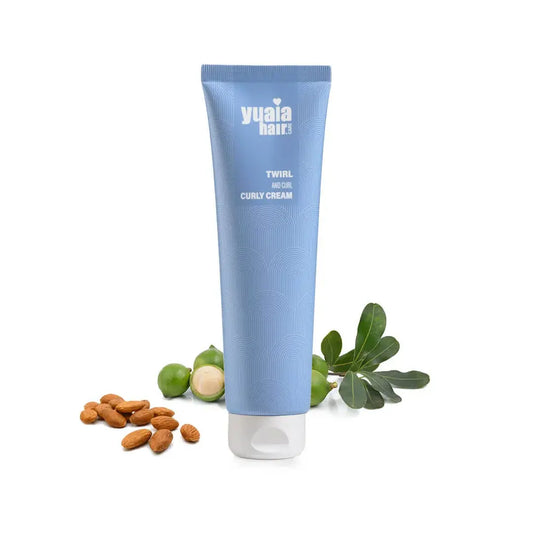
Choosing between air drying and blow drying often depends on your hair type. For those with fragile or curly hair, air drying can help retain moisture, reducing the risk of frizz and breakage. Curly hair, in particular, benefits from products designed to enhance and define curls, such as our Twirl and Curl curly cream. This cream helps maintain curl shape and reduces frizz without the need for additional heat styling.
On the other hand, individuals with thick, frizzy, or oily hair might find blow drying more advantageous. The controlled heat can help manage volume and smooth out frizz, providing a sleek finish. It's crucial to apply a heat protectant spray to shield the hair from potential damage and maintain its natural moisture balance.
Ultimately, the choice between air drying and blow drying should be tailored to your specific hair needs and lifestyle. By understanding the benefits and risks of each method, you can adopt a drying routine that enhances your hair's health and appearance.
Additional content and FAQs: Supporting your hair care routine
Hybrid drying method: The best of both worlds
For those seeking a balanced approach to hair drying, the hybrid method offers a practical solution. This technique involves using a blow dryer on a low heat setting to dry your hair to about 80-90% before allowing it to air dry naturally. This approach helps reduce the time your hair is exposed to water, minimizing the risk of hygral fatigue, while also limiting heat exposure, which can prevent cuticle damage.
To prepare your hair for the hybrid drying method, consider using products that cater to your specific hair needs. For instance, our Rosemary oil can nourish and strengthen your hair, providing a solid foundation for any drying technique. By using the right products, you can enhance the benefits of the hybrid method, ensuring your hair remains healthy and vibrant.

FAQs: Addressing common concerns
How can I minimize damage when blow drying?
To minimize damage when blow drying, always use a heat protectant spray and keep the dryer at a low setting. This helps shield your hair from high temperatures and reduces the risk of cuticle damage.
Is it okay to sleep with wet hair?
Sleeping with wet hair can lead to potential risks such as fungal growth and scalp issues. To avoid this, it's best to dry your hair thoroughly before bed. If time is a concern, consider using the hybrid drying method to speed up the process.
Can air drying cause hair loss?
Air drying itself does not cause hair loss, but it can increase tangles and frizz, leading to mechanical stress when detangling. To prevent this, use a detangling brush and gently work through your hair after washing.

Brushing techniques for healthier hair
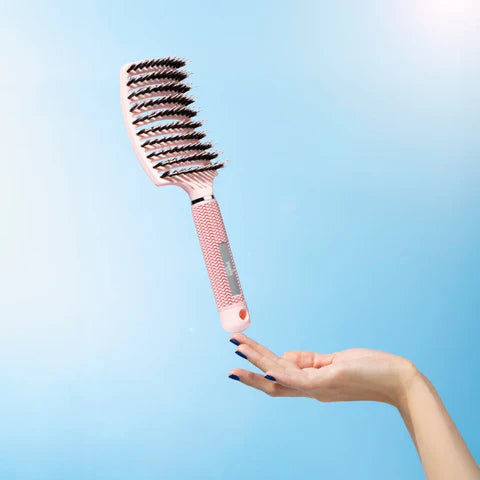
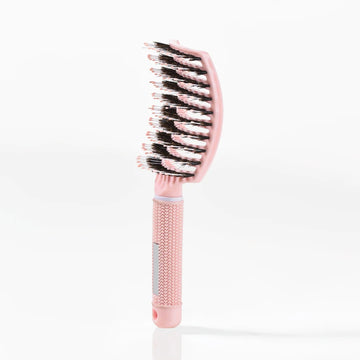
Proper brushing techniques can significantly complement both air and blow drying methods. Using the right brush can help distribute natural oils, reduce frizz, and enhance the overall health of your hair. Our Curvy Brush with boar bristles is perfect for gentle detangling and smoothing, making it an excellent addition to your hair care routine.
By following these tips and understanding the nuances of each drying method, you can make informed decisions that support the health and beauty of your hair. Whether you prefer air drying, blow drying, or a combination of both, the key is to tailor your approach to your unique hair type and lifestyle.


