2-5 day delivery
 25.000+ satisfied customers
 Satisfaction Guarantee











The role of hair type in conditioner use
When considering whether to leave conditioner in your hair, it's important to recognize how different hair types respond to this practice. Each hair type has its own set of characteristics that can influence how conditioner affects it, particularly when left in for extended periods.
Fine and thin hair
For those with fine or thin hair, leaving conditioner in for too long can quickly lead to greasiness and a heavy appearance. This hair type is more prone to becoming weighed down by the product, which can result in a limp and oily look. It's generally advisable for individuals with fine hair to stick to the recommended rinse-out time to maintain volume and avoid buildup.
Thick and curly hair
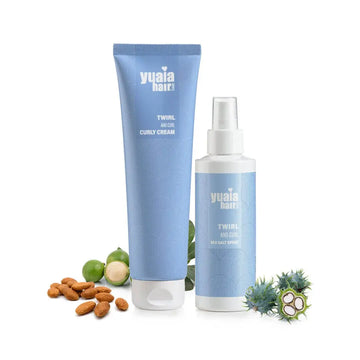
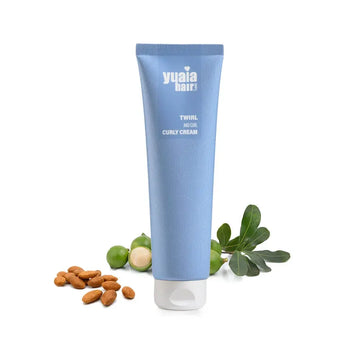
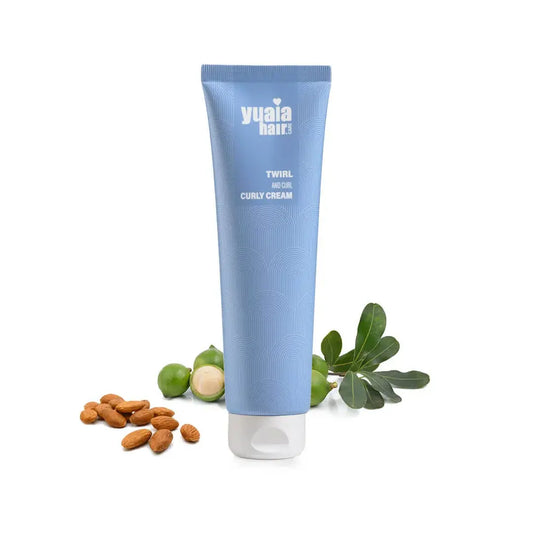
Thick and curly hair, on the other hand, may tolerate a brief extension of conditioner use better than fine hair. However, the risk of long-term buildup remains. Curly hair often benefits from added moisture, but leaving rinse-out conditioner in for too long can still lead to issues like product buildup and limpness over time. For those with curly hair, using a product specifically designed for curls, such as our Twirl and Curl curly cream, can provide the necessary hydration and definition without the drawbacks of a standard rinse-out conditioner.
Low-porosity hair
Low-porosity hair tends to resist moisture absorption, which can make it prone to moisture overload if conditioner is left in for extended periods. This hair type can become weighed down and greasy, as the conditioner sits on the surface rather than penetrating the hair. It's crucial for individuals with low-porosity hair to follow the recommended rinse-out times to prevent these issues.
Understanding leave-in conditioners
Leave-in conditioners are specifically formulated to provide ongoing benefits without the need for rinsing. These products are designed to add volume, shine, and frizz control, making them an excellent choice for those looking to enhance their hair care routine without the risk of buildup. Proper usage involves applying a light amount to damp hair, focusing on the mid-lengths and ends to avoid residue at the scalp.
For those interested in maintaining hair health while avoiding the pitfalls of leaving rinse-out conditioner in for too long, leave-in conditioners offer a safe and effective alternative. By choosing a product suited for your hair type and using it as directed, you can enjoy the benefits of enhanced moisture and manageability without the associated risks.
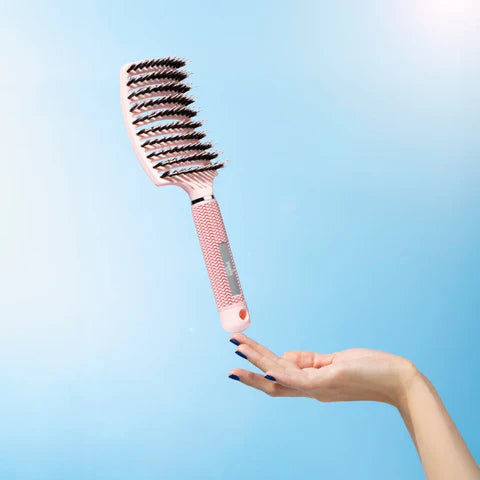
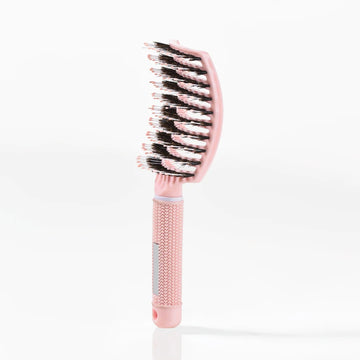
To further support your hair care routine, consider integrating other beneficial practices, such as using a wide-toothed comb for detangling. This can help prevent breakage and distribute conditioner evenly throughout your hair, ensuring optimal results. Explore our wide-toothed comb for an effective detangling solution.

Practical tips for conditioner use
To maintain healthy hair and avoid the pitfalls of leaving rinse-out conditioner in for too long, it's important to follow a few practical tips. First, always adhere to the recommended duration for rinse-out conditioners, which is typically a few minutes. This allows the product to deliver its intended benefits without leading to buildup or scalp irritation.
For those who enjoy deep conditioning treatments, it's best to limit these to 30-45 minutes. This timeframe is sufficient to nourish your hair without risking moisture overload or hygral fatigue. Additionally, using a microfiber towel can help reduce drying time and minimize friction, further protecting your hair from damage.

When using leave-in conditioners, apply them sparingly to damp hair, concentrating on the mid-lengths and ends. This approach helps avoid residue at the scalp while ensuring your hair receives the moisture and protection it needs. At Yuaia Haircare, we offer a range of products made with natural ingredients to support healthy hair without the risk of harmful buildup.
Frequently asked questions
Can I use a regular conditioner as a leave-in?
Using a regular conditioner as a leave-in is not recommended. Rinse-out conditioners are formulated to be washed out after a few minutes, and leaving them in can lead to buildup, scalp irritation, and limp hair. It's best to use products specifically made for leave-in use to avoid these issues.

How often should I use a leave-in conditioner?
The frequency of using a leave-in conditioner depends on your hair type and condition. Generally, using it a few times a week is sufficient for most hair types. However, those with dry or damaged hair may benefit from more frequent use. Adjust based on how your hair responds and feels.
What are the signs of conditioner buildup?
Signs of conditioner buildup include greasiness, limpness, and scalp irritation. You might also notice a dull appearance and difficulty styling your hair. To manage buildup, clarify your hair regularly and ensure you're using the appropriate amount of conditioner for your hair type.