 2-5 day delivery
 100.000+ satisfied customers
 Satisfaction Guarantee










Is leave-in conditioner bad for your hair? Debunking myths and revealing the truth

by Nanna Bundgaard | 15. January 2026 | Reading time: 5 minutes
Read more about the authorLeave-in conditioners have become a staple in many hair care routines, yet questions often arise about their impact on hair health. Is leave-in conditioner bad for your hair, or can it actually help? Myths and misconceptions abound, suggesting that leave-in conditioners might lead to buildup, greasiness, or even damage. It's time to separate fact from fiction and provide clarity on this topic.
What is the difference between leave-in and rinse-out conditioners?
Understanding the distinction between leave-in and rinse-out conditioners is key to using them effectively. Rinse-out conditioners are typically applied after shampooing and rinsed out after a few minutes. They provide immediate moisture and detangling benefits but are not meant to stay on the hair. In contrast, leave-in conditioners are formulated to remain in the hair, offering extended hydration and protection without the need for rinsing. The choice between the two depends on your hair's needs and your styling preferences.
The purpose of this post
The goal of this blog post is to debunk the myths surrounding leave-in conditioners and reveal the truth about their benefits and proper usage. By understanding the advantages they offer and learning how to apply them correctly, you can enhance your hair care routine and achieve healthier, more manageable hair.
For those interested in maintaining their hair's health, incorporating a leave-in conditioner can be a game-changer. However, it's essential to choose the right product and apply it properly. Avoiding overuse and ensuring the product is suitable for your hair type will maximize the benefits while minimizing any potential downsides.
To further support your hair care routine, consider exploring products that align with your hair's unique needs. For example, if you're looking for a way to protect your hair from heat styling, our heat protectant spray can offer the necessary shield against damage. By making informed choices, you can enjoy all the advantages that leave-in conditioners provide without the worry of adverse effects.

Leave-in conditioner benefits
Leave-in conditioners offer a range of benefits that make them a valuable addition to any hair care routine. One of the primary advantages is their ability to provide moisture and hydration. This is particularly beneficial for dry and damaged hair, as it helps to detangle and reduce breakage. By adding a layer of moisture, leave-in conditioners aid in smoothing the hair, making it easier to manage and style.
For those struggling with frizz, leave-in conditioners can be a game-changer. They work by sealing the hair cuticle, which helps to combat frizz and create a smoother appearance. This is especially advantageous for curly and frizzy hair types, where maintaining definition and control can be challenging.
Additionally, leave-in conditioners offer protection from environmental stressors such as heat, UV rays, and pollution. These factors can lead to damage and dryness, but a good leave-in conditioner acts as a barrier, preserving hair health. For individuals who frequently use heat styling tools, incorporating a leave-in conditioner is essential to prevent damage and maintain healthy hair.
Proper usage and application tips
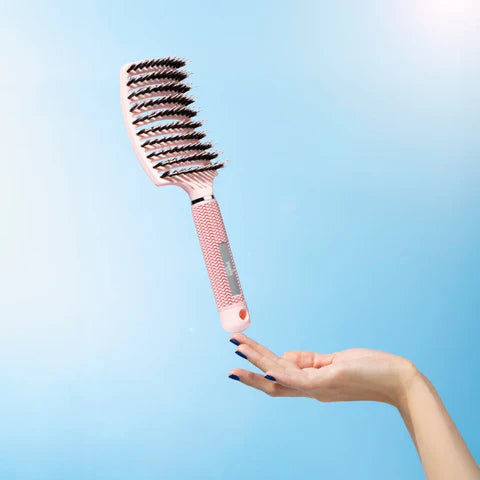
To maximize the benefits of leave-in conditioners, proper application is key. For best results, apply the product to damp hair, focusing on the mid-lengths and ends. This prevents scalp buildup and ensures that the conditioner is distributed evenly where it is most needed. Using a wide-toothed comb can help to detangle hair gently and distribute the product effectively. Consider our wide-toothed comb for this purpose.

The frequency of use can vary depending on your hair type and needs. For some, daily application might be beneficial, while others may find that using it every few days is sufficient. The key is to monitor how your hair responds and adjust accordingly.
Potential risks and misuse
While leave-in conditioners are generally safe and beneficial, over-application can lead to issues such as limpness and buildup. It’s important to use the right amount and avoid applying it too close to the scalp. This ensures that the hair remains light and voluminous, without the heaviness that can result from excess product.
A common mistake is using rinse-out conditioners as leave-ins. These products are not formulated to stay on the hair and can lead to greasiness and potential scalp irritation if not rinsed out. It's crucial to distinguish between the two and use each as intended to avoid any adverse effects.
For added protection against heat damage, consider incorporating a heat protectant spray into your routine. This can further shield your hair from damage while styling.

Get a 10% discount code sent to you
Receive the best tips and tricks for your hair from Lotte and Nanna 🥰
Common myths debunked
The idea that leave-in conditioners are inherently bad for your hair is a misconception. When used correctly, these products are designed to enhance hair health by providing moisture, reducing frizz, and protecting against environmental stressors. The key is choosing a lightweight formula that suits your hair type. Concerns about chemical ingredients can be addressed by selecting products made with clean, non-toxic ingredients. This ensures that your hair receives the nourishment it needs without exposure to potentially harmful chemicals.
Frequently asked questions
Can I use leave-in conditioner every day?
Yes, you can use leave-in conditioner daily, provided you choose a product that is appropriate for your hair type and needs. Lightweight formulas are ideal for everyday use, as they provide hydration and protection without weighing down your hair.
What hair types benefit the most from leave-in conditioners?
Leave-in conditioners are versatile and can benefit a wide range of hair types. They are particularly advantageous for dry, damaged, and curly hair, as they help to retain moisture, reduce frizz, and improve manageability. However, even those with fine hair can find suitable lightweight options that add volume and shine without heaviness.
How do I choose the right leave-in conditioner?
When selecting a leave-in conditioner, consider your hair type and the specific benefits you desire. For instance, if you have dry or damaged hair, look for products that emphasize moisture and repair. For fine hair, opt for lightweight formulas that enhance volume. Reading product labels and reviews can also guide you in making the best choice for your hair.

Get a 10% discount code sent to you
Receive the best tips and tricks for your hair from Lotte and Nanna 🥰


