 2-5 day delivery
 25.000+ satisfied customers
 Satisfaction Guarantee











Natural remedies to manage and prevent split ends
While split ends can't be truly repaired, there are natural remedies that can help manage and prevent further damage. DIY masks using ingredients like coconut oil and papaya are popular for temporarily masking split ends. These ingredients provide shine and nourishment, creating the illusion of healthier hair. Coconut oil, for instance, is known for its moisturizing properties, which can help reduce dryness and frizz. Papaya, rich in nutrients, can add a natural sheen to your hair.
To create a simple mask, blend ripe papaya with a tablespoon of coconut oil. Apply the mixture to your hair, focusing on the ends. Leave it on for 30-45 minutes before rinsing thoroughly. This mask can be used once a week to maintain a healthy appearance.
Incorporating regular oil massages can also be beneficial. Massaging your scalp with a nourishing oil, such as our rosemary hair oil, can improve blood circulation and provide essential nutrients to your hair. This oil is applied by gently massaging it into the scalp and hair, leaving it for an hour or overnight before washing it out. Regular use can help strengthen the hair, making it less prone to splitting.

Tools and techniques for minimizing split ends at home
Using the right tools and techniques can significantly reduce the occurrence of split ends. A wide-tooth comb is essential for detangling without causing breakage. This type of comb gently works through knots, minimizing the stress on your hair. You can explore our wide-toothed comb for a gentle detangling experience.

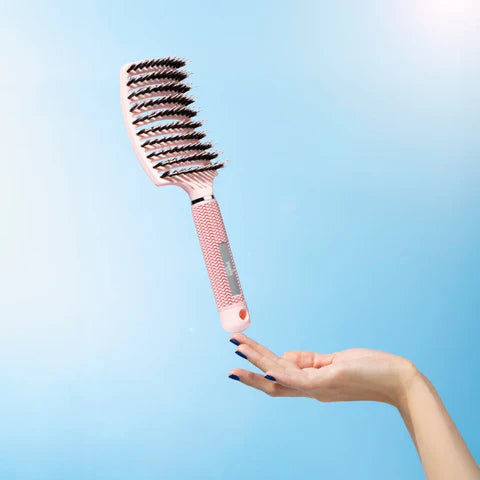
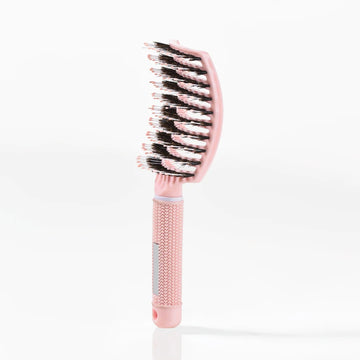
Gentle brushing is equally important. Opt for a brush with natural bristles, like our Curvy Brush, which helps distribute natural oils from the scalp down to the ends, enhancing moisture and reducing dryness. Brush your hair starting from the ends and work your way up to avoid pulling and breaking.

£21.99
Another effective technique is to use protective hairstyles. Styles like braids and buns can minimize friction and prevent breakage. These styles also keep your hair tucked away, reducing exposure to environmental damage.
Finally, using a heat protectant spray is crucial when styling your hair with heat tools. Our heat protectant spray creates a barrier against high temperatures, helping to prevent further damage. Always apply it before using any heat styling tool to maintain your hair's integrity.

Practical tips for a split-end-free routine
Creating a routine focused on preventing split ends can significantly improve the overall health and appearance of your hair. A weekly hair care regimen that includes deep conditioning treatments and protective styles is essential. Deep conditioning helps to restore moisture and elasticity, making hair more resilient to damage. Consider using a nourishing mask or conditioner once a week to keep your hair hydrated.
Protective hairstyles like braids or buns are not only stylish but also effective in minimizing friction and breakage. These styles help to protect the ends of your hair, reducing the chance of split ends forming. Additionally, using a microfiber towel can help reduce friction and frizz when drying your hair, as it is gentler than traditional towels.

When styling your hair, always apply a heat protectant spray to shield your hair from thermal damage. This protective layer helps to prevent the weakening of hair strands that can lead to split ends. Remember to keep your styling tools at a moderate temperature to avoid excessive heat exposure.
Frequently asked questions
How often should I trim my hair to prevent split ends?
It's recommended to trim your hair every 8-10 weeks to maintain healthy ends and prevent split ends from traveling up the hair shaft.
Can split ends be prevented entirely?
While it is possible to significantly reduce the occurrence of split ends through proper care and prevention techniques, some split ends are inevitable due to daily wear and tear.
What are the best products for managing split ends?
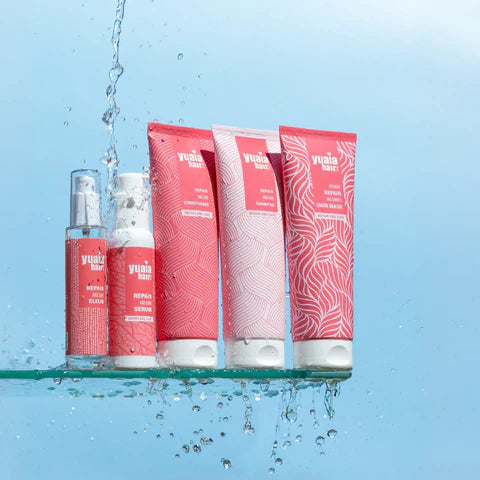
Using sulfate-free shampoos and conditioners can help keep your hair hydrated and healthy, reducing the likelihood of split ends. These products maintain moisture without stripping the hair of its natural oils.
Is there a way to protect hair while sleeping?
Using a bamboo pillowcase can help reduce friction and protect your hair overnight. Bamboo is a gentle material that minimizes hair breakage and frizz while you sleep.


