 2-5 day delivery
 100.000+ satisfied customers
 Satisfaction Guarantee


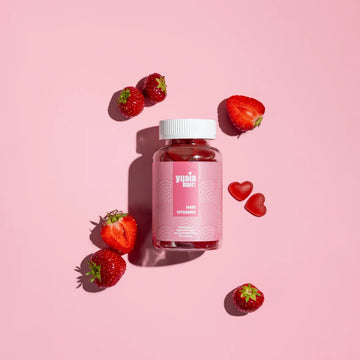

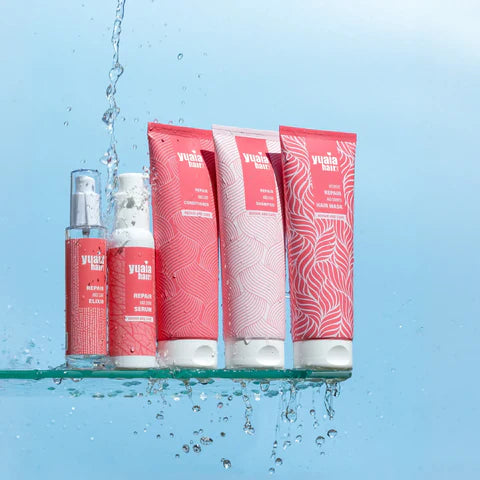





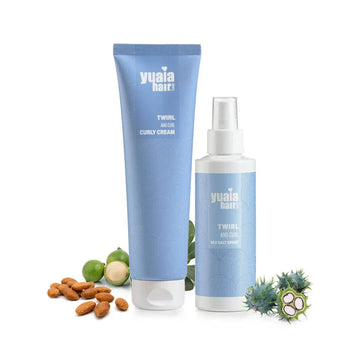




Rosemary oil: assess the finished formula
Use the ingredient list and directions of a ready-made hair oil to assess placement, amount and rinsing. The product below is a finished rosemary hair oil. Do not add extra essential oil or dilute it unless its directions say to. Do not apply pure essential oil undiluted to the scalp.

Castor oil: a rich oil to use sparingly
Its dense texture can give lengths an oilier, shinier finish, but may weigh down fine hair and be difficult to wash out. Begin with a small amount according to the product directions. Oil does not add water to the hair or permanently join split ends. More oil is not automatically better care.


What does the comparison tell us about hair growth?
A change in shine, softness or retained length does not by itself demonstrate new hair growth. The often-mentioned 2015 rosemary study compared a rosemary treatment with minoxidil, not castor oil. It therefore does not establish which of these oils is best or that our finished products have the same effect. Research must be assessed against the specific formula and use.
Choose a simple routine
- Choose for your desired finish and the product directions. Amount and placement matter particularly for fine or easily greasy hair; coarse or curly hair does not automatically need a lot of oil either.
- Try one product at a time in the recommended amount. Assess the feel and ease of washing it out before changing your routine.
- Adapt shampoo and conditioner to your normal wash. Oil does not replace cleansing, conditioner or a product developed for heat protection.
Can you mix them, and how often should you use them?
A homemade blend is not automatically better. A finished hair oil may already contain several oils. Follow its directions rather than a fixed mixing ratio or weekly schedule. The same applies to contact time and rinsing. Stop if irritation occurs. For a sensitive scalp or coloured hair, check whether the particular product is suitable rather than assuming it from the word natural.
Frequently asked questions
Which oil is best for fine hair?
It depends on the whole formula and amount. Castor oil may feel heavy; rosemary in a product does not guarantee a light texture.
Can I use both oils?
You do not need both. Follow each product's instructions and assess one change at a time.
Does more shine mean new hair growth?
No. Cosmetic finish and new hair growth are different outcomes requiring different evidence.


