 2-5 day delivery
 25.000+ satisfied customers
 Satisfaction Guarantee











Medical and neurological factors
When the scalp feels bruised, it might be linked to various medical or neurological factors. Understanding these can help in identifying the right course of action for relief.
Occipital neuralgia
Occipital neuralgia is a condition where the nerves running from the top of the spinal cord up through the scalp become inflamed or injured. This can result in sharp, throbbing pain that feels like a bruise on the scalp. It's often mistaken for a migraine due to similar symptoms. While it can be uncomfortable, treatments such as nerve blocks or physical therapy can offer relief.
Infections and allergies
Infections such as folliculitis, which is the inflammation of hair follicles, can cause scalp tenderness. This condition may occur due to bacterial or fungal infections and often results in small, itchy bumps on the scalp. Allergies to certain hair products can also cause a bruised sensation. If you suspect an allergic reaction, consider switching to hypoallergenic products and consult a healthcare provider.
Hair loss and scalp pain
Hair loss conditions, such as telogen effluvium, can sometimes be accompanied by scalp sensitivity. This condition leads to increased hair shedding and can make the scalp feel sore. The sensitivity often results from the inflammation of hair follicles during the shedding phase. To support hair health, maintaining a gentle hair care routine is essential.
Self-diagnosis and when to seek help
Recognizing symptoms and knowing when to seek professional advice is key to managing a bruised-feeling scalp.
Identifying symptoms
If you experience persistent scalp pain, visible lesions, or symptoms that worsen over time, it may be time to consult a healthcare provider. These could be signs of an underlying condition that requires medical attention.
Home examination tips
Conducting a self-examination at home can help you identify potential causes of scalp tenderness. Look for signs of redness, bumps, or any unusual changes in the scalp. Using a wide-toothed comb can help gently part the hair for a closer look without causing additional irritation.

Professional consultation
For symptoms that persist despite home care, or if you're uncertain about the cause of your discomfort, a consultation with a dermatologist or healthcare provider is advisable. They can provide a thorough examination and recommend appropriate treatments.
Exploring additional factors
Beyond the more common causes of scalp tenderness, there are additional factors that might contribute to the sensation of a bruised scalp. Understanding these can provide further insight into managing and alleviating discomfort.
Environmental influences
Environmental factors such as extreme weather conditions can impact scalp health. Cold, dry air can lead to a dry and sensitive scalp, while excessive sun exposure might cause sunburn, leading to tenderness. Protecting your scalp from harsh weather by wearing hats or using sunscreen specifically made for the scalp can help mitigate these effects.
Stress and tension
Stress can manifest physically, including through scalp discomfort. Stress-related tension can cause muscles in the scalp to tighten, leading to a bruised sensation. Practicing stress-reduction techniques such as meditation, yoga, or regular exercise can help alleviate tension and improve overall scalp comfort.
Hair accessories
Using certain hair accessories can also contribute to scalp tenderness. Hairbands or clips that are too tight can create pressure points on the scalp. Opt for snag-free hair ties or soft, cushioned clips that minimize tension and allow for a more comfortable fit.


Choosing the right products
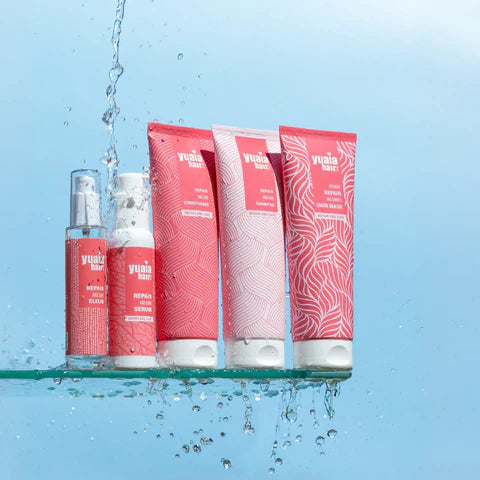
Using hair products that suit your scalp type is important in maintaining scalp health. At Yuaia Haircare, we offer Rosemary oil, which can be beneficial for soothing an irritated scalp. Its natural properties help nourish and calm the skin, offering relief from discomfort.

Frequently asked questions
Can hair products cause my scalp to feel bruised?
Yes, certain hair products can irritate sensitive skin on the scalp, leading to a bruised sensation. Ingredients such as sulfates and harsh chemicals can cause irritation. Opting for gentle, sulfate-free shampoos and conditioners can help reduce this risk.

What are the best practices for preventing scalp tenderness?
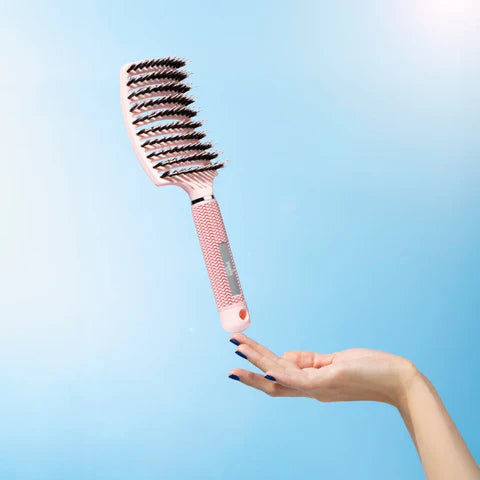
Maintaining a healthy scalp environment involves regular cleansing with suitable products, avoiding tight hairstyles, and using gentle brushing techniques. Protecting the scalp from harsh weather and managing stress levels can also contribute to preventing tenderness.

Is a bruised feeling scalp a sign of a serious condition?
While a bruised sensation on the scalp is often due to benign causes, it can sometimes indicate a more serious issue. If the discomfort is persistent, accompanied by other symptoms, or worsens over time, seeking medical advice is important to rule out underlying conditions.


