Brushing hair is a common part of many hair care routines, but it is often done without much thought. The way hair is brushed can affect hair health, scalp comfort, and overall appearance. Incorrect brushing may lead to breakage, frizz, unnecessary hair loss, and scalp irritation, while proper brushing helps detangle strands and distribute natural oils from the scalp.
Many people keep the same brushing habits for years, even though small adjustments can make a noticeable difference. Choosing the right brush and knowing when and how often to brush can help reduce damage and keep hair looking smoother. This guide explains how to brush hair properly and which common mistakes to avoid.
Why brushing hair correctly matters
Brushing hair is not only about detangling knots. When done properly, it helps support healthy-looking hair and improve overall scalp comfort.
Supporting scalp health
The scalp naturally produces oils known as sebum. These oils help moisturize the hair and protect it from dryness. Gentle brushing can help move these oils from the scalp down through the hair lengths, allowing the hair to benefit from natural conditioning.
Brushing can also lightly stimulate the scalp. This stimulation may support circulation in the scalp area and can help remove loose hairs that have already detached from the follicle. Seeing some hair in a brush is therefore normal and often part of the natural hair shedding cycle.
Distributing natural oils
Hair tends to be naturally oilier near the scalp and drier toward the ends. Brushing helps distribute these oils more evenly throughout the hair, which can give the hair a smoother and shinier appearance.
When oils are spread along the hair shaft, the hair may appear less dry and frizzy. This is particularly helpful for people with longer hair, as the natural oils have a longer distance to travel from the scalp to the ends.
Preventing knots and tangles
Knots can form easily during sleep, exercise or everyday movement. Regular brushing helps keep tangles from becoming larger knots that are harder to remove later.
Detangling hair gradually through gentle brushing can prevent pulling and reduce stress on the hair strands.
Avoiding damage caused by incorrect brushing
Although brushing has benefits, aggressive or incorrect brushing can cause damage. Pulling through knots, using the wrong brush or brushing very fragile hair can lead to breakage. Learning proper technique is therefore important for protecting hair from unnecessary stress.
How to brush hair properly
Brushing hair correctly involves more than simply dragging a brush from the roots to the ends. The correct technique helps reduce pulling and prevents knots from tightening.
Start from the ends
The most effective way to detangle hair is to begin brushing near the ends rather than the roots. Starting at the roots and pulling downward can tighten knots and increase the chance of breakage.
By beginning at the ends, you can gently remove smaller tangles first. Once the ends are smooth, the brush can gradually move higher.
Work upward gradually
After the ends are detangled, move the brush slightly higher and continue brushing downward. Working upward in small sections helps prevent large knots from forming and keeps the tension on the hair lower.
This step-by-step approach makes brushing more comfortable and reduces stress on the hair shaft.
Brush in sections
People with longer or thicker hair may benefit from dividing the hair into sections before brushing. This allows you to detangle each section carefully rather than pull the brush through a large amount of hair at once.
Sectioning the hair can make brushing more controlled and reduce unnecessary tugging.
Finish by brushing from roots to ends
Once the hair is detangled, it is possible to brush from the roots to the ends in longer strokes. This final step helps distribute natural oils and smooth the hair surface.
Gentle and controlled strokes are more effective than forceful brushing.
When to brush your hair
The timing of brushing can influence how beneficial the routine is for the hair. Although there is no single rule for everyone, brushing at certain moments can make detangling easier and reduce damage.
How often should you brush your hair?
For many people, brushing once or twice a day is sufficient. This keeps tangles under control while avoiding excessive brushing.
Over-brushing can create unnecessary friction and may increase breakage, especially for fragile or damaged hair. Hair type, styling habits, and daily activities may influence how often brushing is needed.
Morning brushing
Brushing hair in the morning can help remove tangles formed during sleep and prepare the hair for styling. A gentle detangling session can make the hair easier to manage throughout the day.
Evening brushing
Brushing hair before bed can help distribute scalp oils through the lengths. This may help reduce dryness and keep hair smoother overnight. It can also remove knots that may worsen during sleep.
Brushing wet vs dry hair
Hair behaves differently depending on whether it is wet or dry. Understanding this difference helps prevent unnecessary damage.
Why wet hair is more fragile
When hair becomes wet, the hair shaft absorbs water and expands slightly. This makes the hair more elastic but also more vulnerable to stretching and breakage.
Because of this increased fragility, brushing wet hair aggressively can cause strands to snap.
When brushing wet hair is acceptable
If brushing wet hair is necessary, it should be done carefully. A wide-toothed comb or a detangling brush designed for wet hair is usually the safest option.
Begin detangling from the ends and work upward gradually. Applying conditioner or a detangling product can also help reduce friction.
When dry brushing is better
Dry hair is generally stronger than wet hair and may tolerate brushing more easily. Many people therefore prefer to detangle their hair before washing it or after it has dried.
Dry brushing can also help smooth the hair and distribute natural oils.
Choosing the right brush
Different hair types and styling needs often require different types of brushes. Using the appropriate brush can make detangling easier and reduce unnecessary tension.
Paddle brushes: Paddle brushes have a wide, flat surface that makes them suitable for longer or thicker hair. They are often used for smoothing hair and detangling larger sections.
Boar bristle brushes: Boar bristle brushes are known for their ability to distribute natural oils from the scalp through the hair lengths. These brushes are often used to create a smoother and shinier appearance.
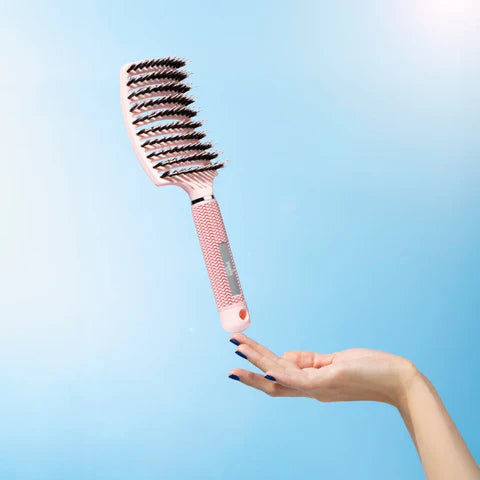
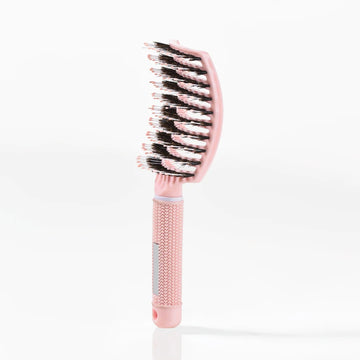
Detangling brushes and wide-tooth combs: Detangling brushes and wide-tooth combs are useful for removing knots with minimal pulling. They are particularly helpful for wet hair or for hair that tangles easily.
The choice of brush may depend on hair thickness, texture, and personal styling preferences.
Get a 10% discount code sent to you
Receive the best tips and tricks for your hair from Lotte and Nanna 🥰
Common mistakes when brushing hair
Many hair problems can be linked to incorrect brushing habits. Avoiding these mistakes can help reduce damage and improve the overall condition of the hair.
-
Starting from the roots: Beginning at the roots and pulling downward often tightens knots and increases tension on the hair. Starting from the ends is a safer approach.
-
Brushing aggressively: Forceful brushing can cause breakage and irritation of the scalp. Gentle strokes are more effective and less damaging.
-
Over-brushing: Some people believe brushing hair many times a day improves hair health. In reality, excessive brushing can create friction and weaken hair strands.
-
Using the wrong brush: A brush that is not suitable for the hair type can make detangling more difficult and may lead to pulling or breakage.
-
Brushing very wet hair; Hair that is dripping wet is particularly fragile and more prone to stretching and breakage. If brushing is necessary, it should be done slowly and gently using the appropriate tool, such as a wide-tooth comb or a detangling brush.
 2-5 day delivery
 100.000+ satisfied customers
 Satisfaction Guarantee